Subscribe to Our Newsletter
To get the latest tips and news to support your well-being journey!
Find the right specialist for youFind a Specialist

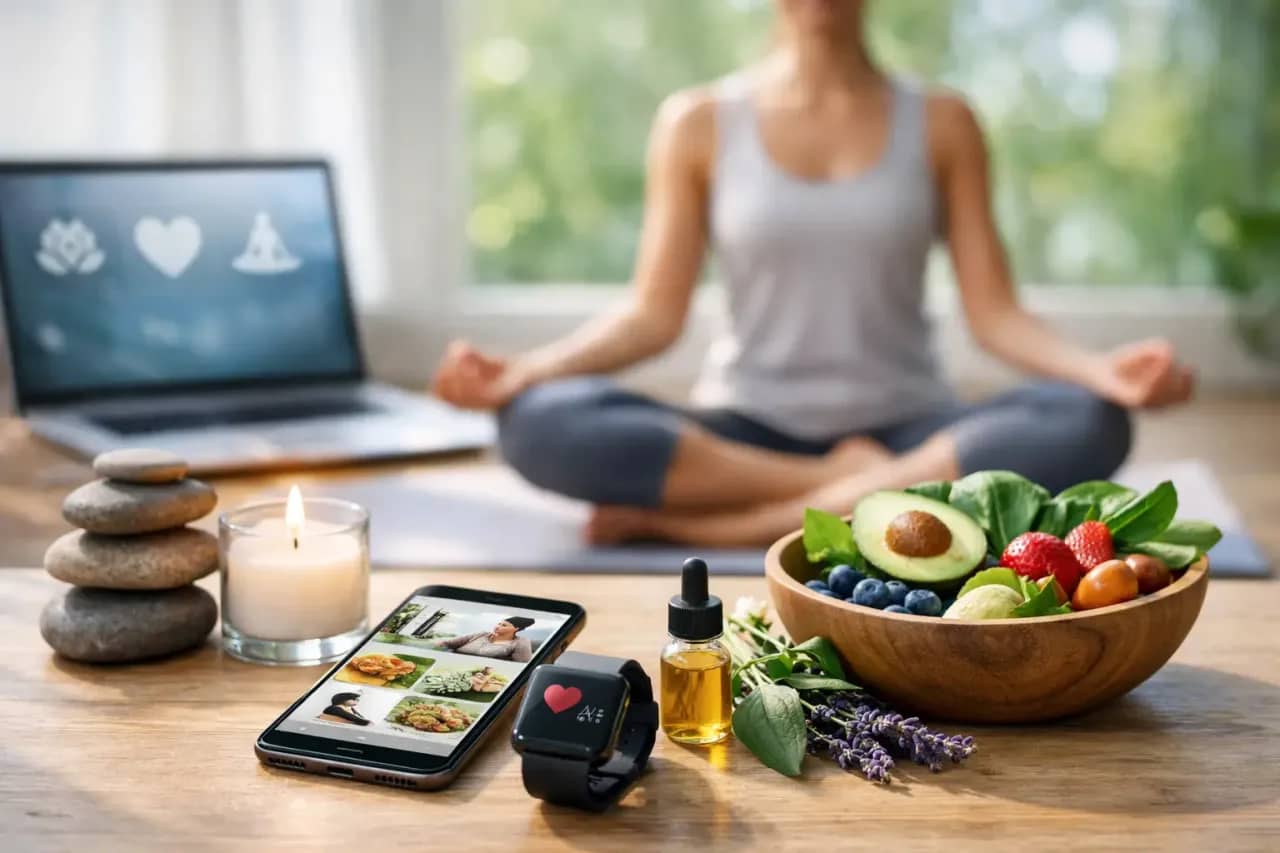
If you have ever tried to sort out stress, low energy, poor sleep and lack of motivation one problem at a time, you will know how quickly it becomes exhausting. A good holistic wellness platform guide starts with a simpler truth - people do not experience life in separate categories, so support should not be split that way either. When your mental health affects your eating, your workload affects your sleep, and your confidence affects your habits, a joined-up approach makes far more sense.
That is the real value of a holistic wellness platform. It brings different kinds of support into one place, so you can find help that reflects your actual life rather than forcing yourself into a single box. For some people, that means pairing burnout coaching with fitness support. For others, it means speaking to a specialist about emotional wellbeing while also working on nutrition, relationships or personal growth.
At its best, a holistic wellness platform is more than a directory. It should help you move from uncertainty to action without adding more admin to an already busy week. That usually means specialist discovery, online booking, virtual sessions, secure communication and some form of ongoing progress support within one account.
The difference matters. A basic marketplace may help you find a practitioner, but then leave you juggling emails, separate calendars, payment links and scattered notes. A proper platform creates continuity. It gives you a clear path from choosing support to staying engaged with it.
That continuity is especially useful when your needs overlap. If you are dealing with stress at work, emotional fatigue and inconsistent routines, you may not need one dramatic fix. You may need steady, coordinated support across a few areas. A platform built around holistic care makes that easier.
The smartest way to choose a platform is not to ask which one offers the most services. Ask which one helps you make meaningful progress with the least friction. More choice is only helpful if it is organised well and matched to your goals.
Start with your real reason for looking. You might say you want fitness support, but the deeper issue could be burnout, poor boundaries or stress eating. You might think you need motivation, when what you actually need is accountability and a specialist who understands how behaviour change works. Being honest about the root issue will help you choose a platform that supports the full picture.
Then look at how the platform guides you. Good digital wellness care should feel calm and clear. You should be able to understand who the specialists are, what they help with, how sessions work and what happens after booking. If the process feels vague, cluttered or overly sales-led, that can be a sign that the experience may not support you well when things feel sensitive or difficult.
Privacy is not a small detail. When people are seeking help with burnout, anxiety, relationships or self-esteem, they need to know their information is handled with care. Any platform worth considering should be upfront about confidentiality, secure systems and how your data is managed. Trust is part of the service, not an extra.
Flexibility matters just as much. Many adults seeking support are fitting it around work, caring responsibilities or unpredictable schedules. Online booking and virtual sessions are useful, but convenience alone is not enough. The platform should also make rescheduling, communication and follow-up feel manageable. If the system creates stress, it undermines the care.
Affordability also deserves a realistic view. Lower cost can widen access, which is important. But the cheapest option is not always the best fit, especially if it leads to inconsistent support or a poor practitioner match. Value often comes from relevance, continuity and ease of use rather than price alone.
Personalisation is another major marker of quality. Wellness is deeply individual. Two people with the same headline problem may need very different forms of support. One may benefit from structured coaching and accountability. Another may need a gentler, reflective approach. The right platform should help you identify fit, not just availability.
This is often overlooked, but it matters. A platform that supports practitioners well usually creates a better client experience too. When specialists have proper tools to manage bookings, profiles, payments and client communication, they can spend more energy on care rather than administration.
That may sound operational, but the impact is personal. It can mean fewer missed details, smoother scheduling, better preparation and more consistent follow-through. If a practitioner is constantly fighting with clunky systems, you will feel that friction sooner or later.
This is one reason two-sided platforms can work well. They are designed not only for people seeking support, but also for the professionals delivering it. In a strong ecosystem, both sides are looked after. Clients get accessibility and clarity. Practitioners get infrastructure that helps them show up fully and grow sustainable practices.
One of the biggest benefits of a holistic model is that it allows your support to change as your needs change. The right help during a period of acute stress may not be the right help three months later.
If you are in survival mode, you may need something immediate and grounding - emotional support, burnout coaching or a manageable starting point for your health. If you are already feeling steadier, you may be ready to focus on habit-building, confidence, nutrition or performance. A good platform makes it easier to shift without starting from scratch each time.
This matters because progress is rarely linear. Sometimes you begin with one goal and uncover another. You sign up to improve your productivity, then realise your sleep and anxiety are driving the problem. Or you begin with fitness and discover your real challenge is emotional eating linked to stress. A siloed service can struggle with that reality. A holistic one is better equipped for it.
Not every platform that uses wellness language is truly holistic. Some simply place different services next to each other without any real thought about how they connect. That can still be useful, but it is not the same as integrated care.
Be cautious of platforms that feel overly broad but thin on detail. If every specialist sounds the same, if outcomes are vague, or if there is little explanation of how support is delivered, it may be hard to judge quality. Reassuring language is helpful, but clarity matters more.
It is also worth being honest about what online support can and cannot do. For many people, virtual care is convenient, effective and easier to maintain. For others, especially where needs are more complex, the right path may involve a combination of digital and in-person support. It depends on your circumstances, preferences and the level of care required.
Instead of searching for the perfect platform, look for one that reduces barriers and helps you take the first step with confidence. Ask yourself whether it makes support feel approachable. Ask whether it respects your time, your privacy and your goals. Ask whether it gives you room to grow, rather than pushing a one-size-fits-all answer.
For many people, the best platform is not the one with the loudest claims. It is the one that helps them feel understood, supported and able to keep going. That is especially true when life already feels full. You should not need endless energy just to find the right help.
Platforms such as SympathiQ reflect this shift well because they treat wellness as connected, practical and personal. That means you can look for support in a way that fits real life - with flexibility, discretion and a clearer sense of direction.
If you are choosing support for yourself, remember that you do not need to have everything figured out before you begin. You only need a starting point that feels safe, relevant and possible. The right platform should help you build from there, one honest step at a time.

Your email address will not be published. Required fields are marked *

If you have been hearing more about glp-1 lately, you are not imagining it. What was once a more specialist medical term is now part of everyday health conversations, especially around weight management, blood sugar, appetite and long-term wellbeing. But the real value of understanding GLP-1 is not in the buzz - it is in knowing how your body works, what support might help, and where expectations need to stay realistic.

GLP-1 stands for glucagon-like peptide-1. It is a hormone your body naturally produces, mainly in the gut, in response to eating. Its job is not small. GLP-1 helps regulate blood sugar, slows stomach emptying and sends signals to the brain that support feelings of fullness.
That combination matters because appetite, energy and metabolic health are deeply connected. If you feel constantly hungry, find it hard to stay satisfied after meals, or struggle with blood sugar swings, those experiences are not simply about willpower. Hormones, stress, sleep, food choices and overall health all play a part.
In simple terms, GLP-1 is one of the body’s ways of helping you stay in balance after eating. When that balance is disrupted, weight management and metabolic health can become much harder than they look from the outside.
A lot of public discussion around GLP-1 focuses on weight loss medication. That is understandable, but it is also narrow. GLP-1 matters because it sits at the intersection of hunger, blood sugar control and satiety. Those are everyday quality-of-life issues, not just numbers on a scale.
For some people, improved GLP-1 activity can support steadier appetite, fewer intense cravings and more consistent energy. For others, the biggest benefit may be better blood glucose regulation, especially if they are living with type 2 diabetes or insulin resistance. There can also be emotional effects. When hunger feels less chaotic, people often find it easier to build routines that support mental wellbeing rather than undermine it.
That said, this is where nuance matters. GLP-1 is important, but it is not a magic override for every health challenge. If someone is dealing with chronic stress, poor sleep, emotional eating, burnout or a difficult relationship with food, a hormonal pathway alone may not address the whole picture.
After you eat, GLP-1 is released from the intestine. It encourages the pancreas to release insulin when needed, which helps move glucose from the bloodstream into cells. It also reduces glucagon, a hormone that raises blood sugar. At the same time, it slows the rate at which food leaves the stomach, which can help you feel full for longer.
There is also a brain component. GLP-1 influences appetite regulation in ways that may reduce the drive to keep eating once your body has had enough. For people who have spent years feeling as though hunger is always louder than logic, this part of the conversation can feel especially validating.
None of this means appetite becomes irrelevant. It means appetite is biologically guided, not purely a character test. That shift in understanding can be powerful.
When people refer to GLP-1 now, they are often talking about GLP-1 receptor agonists - medicines that mimic or enhance the action of the natural hormone. These treatments are used in certain cases to support blood sugar management and, for some individuals, weight reduction.
They can help people feel fuller sooner, reduce appetite and improve glycaemic control. For the right person, under medical supervision, that can create meaningful health improvements. It may lower health risks, support mobility, ease the physical strain of excess weight and help someone regain a sense of possibility.
But suitability depends on the individual. Medical history, current conditions, digestive health, mental wellbeing, previous dieting patterns and personal goals all matter. Not everyone is a good candidate, and not everyone wants a medication-based route.
There are also practical realities. These treatments can come with side effects such as nausea, vomiting, constipation or diarrhoea. Some people tolerate them well. Others do not. Cost, availability and long-term maintenance can also shape the decision.
One reason GLP-1 has gained so much attention is that it can reduce some of the friction around eating less. But even when medication helps, habits still matter. Not in a harsh or blame-based way - in a supportive, sustainable way.
If someone eats very little because they feel less hungry but does not get enough protein, fibre or fluids, they may feel weak, depleted or unwell. If weight changes happen without support for sleep, movement, stress and mindset, progress may feel harder to maintain. If food has been a coping tool for anxiety, loneliness or overload, reduced appetite does not always resolve the emotional need underneath.
This is where holistic care makes a real difference. Nutrition guidance, coaching, mental health support and realistic routine-building can all help someone make the most of any treatment plan. The body and mind are not separate projects.
Conversations about GLP-1 often stay very clinical, but for many people this topic is emotional. Weight, hunger and health habits can be wrapped up with shame, self-criticism and years of trying to do everything right without seeing results.
Learning that hormones influence appetite can bring relief. It can help people move away from the idea that struggling with food or weight is a personal failure. At the same time, treatment decisions can also bring pressure. Some people feel judged if they choose medication. Others feel judged if they do not.
A healthier starting point is compassion. Ask what support would genuinely improve your life, not what would make your health story look more acceptable to other people. The best plan is the one that is safe, informed and sustainable for you.
People usually start asking about GLP-1 when they feel stuck. They may be managing type 2 diabetes, noticing persistent hunger, dealing with metabolic health concerns or feeling exhausted by repeated cycles of dieting and regain.
For some, exploring GLP-1-based treatment with a qualified clinician may be appropriate. For others, the better first step may be a fuller health review that looks at eating patterns, stress load, sleep quality, physical activity and emotional wellbeing. It depends on what is driving the struggle.
If burnout is part of the picture, that matters too. High stress can affect hunger cues, cravings, energy and recovery. When life feels overwhelming, even the best nutrition advice can be hard to apply. Support needs to fit real life, not an ideal version of it.
If GLP-1 is on your mind, try to look beyond the headline promise. What is your actual goal - lower blood sugar, reduced appetite, weight loss, better energy, improved confidence, or all of the above? What support will help you stay well while working towards it? And what happens if the first approach is not the right one?
A thoughtful plan should consider medical safety, emotional readiness and day-to-day practicality. It should also leave room for adjustments. Health journeys rarely move in a straight line.
For many people, the most helpful route is not choosing between medication and lifestyle support as though they are opposites. It is combining the right clinical advice with the right human support. That might include a dietitian, a coach, a therapist or a broader wellbeing platform such as SympathiQ, where support can be shaped around the whole person rather than one symptom.
GLP-1 matters because it reminds us that health is not just about effort. Biology matters. Emotions matter. Environment matters. And when support takes all of that seriously, progress tends to feel less punishing and more possible.
If this topic has left you curious, hopeful or even a little overwhelmed, that is understandable. You do not need to have every answer before you ask better questions. Sometimes the most powerful first step is simply choosing support that sees the full picture of your health - and helps you move forward with clarity, not pressure.

Fitness is no longer confined to the four walls of a gym. With increasingly busy lifestyles, changing work environments, and a global shift toward virtual platforms, online fitness has soared in popularity. Whether you’re looking for a personal trainer near me or a structured personal trainer course, you might be surprised to find all these services at your fingertips. Enter Fitness Online Classes SympathiQ, a platform dedicated to providing expert-led workouts, personal training, and tailored fitness programs to help you lead a healthier, more active life. With SympathiQ, you can stay on track with your goals from anywhere in the world.
But you might be thinking: “Do I get the same quality of training online that I do in-person?” The short answer? Absolutely! The virtual world of fitness is evolving fast. You’ll find online fitness classes that feel as intimate and motivating as a real gym session. You’ll also discover global communities, technology-driven progress tracking, and on-demand support that you wouldn’t necessarily get with an in-person approach. You can do it all in your favorite cozy pajamas or your best workout gear—no judgment here! 😎
In this blog post, we’re diving deep into the world of Fitness Online Classes SympathiQ. We’ll discuss the advantages, the community, and how it stands apart. We’ll also detail the various classes and features that make it your one-stop shop for fitness. This comprehensive guide (buckle up, it’s a long one!) will help you understand what SympathiQ is all about and give you a taste of how our expertise can transform your fitness journey. Ready to jump in? Let’s go! 🚀
If there's one thing we’ve learned over the past few years, it’s the importance of adaptability. Fitness has undergone a massive shift, allowing people from all walks of life to train wherever and whenever they want. Online platforms, like Fitness Online Classes SympathiQ, offer these key benefits:
Convenience & Flexibility ⏰
Work out on your schedule, not someone else’s. If you’re swamped at work, pop into a 20-minute session at lunchtime or do a quick cardio blast in the evening. Eliminating the commute to a gym means you can more easily squeeze in short, practical workouts.
Unlimited Access to Trainers & Programs 🌍
Gain access to top-tier trainers from all over the globe. So, if you’re looking for a personal trainer near me but live in a place with limited specialized gyms, SympathiQ can connect you to certified experts—whether you’re into online Pilates classes, strength routines, or advanced weight training.
Personalized Experience 🎯
Online training can feel incredibly personal. With technology, trainers can track your progress, tailor routines, and offer feedback (either live or via recorded sessions). Many people find they have more accountability online than they do in traditional gym settings.
Cost-Effectiveness 💰
Many online classes cost a fraction of traditional gym memberships or personal training packages. You can choose from free or low-cost subscription models, or pay-as-you-go classes—making fitness accessible on any budget.
Community & Motivation 🤝
A thriving virtual community means you’re never alone. On SympathiQ, you can join forums, group sessions, and even friendly competitions. This camaraderie helps break workout monotony and keeps motivation high if you enjoy a supportive group vibe.
With all these benefits, it’s no wonder many are turning to platforms like SympathiQ. But what exactly does SympathiQ bring to the table, and why should you consider trying it? Let’s explore!
Certified & Passionate: Our trainers hold recognized certifications and truly care about your well-being.
Diverse Disciplines: Whether you’re searching for cardio workouts or strength training routines, we’ve got a global roster of professionals specializing in various fitness areas.
Tailored Programs: Map out a full-body workout plan for the next month or focus on “cardio workouts for beginners”—the choice is yours.
Private Sessions: Prefer one-on-one guidance? Enjoy customized feedback, progress tracking, and routines aligned with specific goals like weight loss, muscle gain, or simply staying active.
Beyond Reps & Sets: Explore online Pilates, yoga for strength and flexibility, and even mindfulness sessions.
Body & Mind: Our broad class selection ensures you nurture both physical health and mental well-being.
Real-Time Metrics: Keep tabs on calories burned, weights lifted, and sets completed.
Motivational Feedback Loop: Watch your strength grow as data-driven insights guide your improvements and keep you on track.
Group Classes & Forums: Share tips, compare experiences, and even find a new workout buddy.
Events & Challenges: Virtual marathons, group competitions, and transformation stories help keep the enthusiasm high.
Perfect for Everyone: Great if you’ve been searching for a “personal trainer near me” or “fitness partner near me” and haven’t had much luck locally.
Membership Tiers: From daily passes to monthly subscriptions or annual bundles, there’s an option for every budget.
Affordability First: We believe fitness should be accessible—no one should miss out on expert training because of cost.
So, yes, while “fitness classes online” might seem generic, Fitness Online Classes SympathiQ goes above and beyond to deliver a genuinely personal, practical, and motivating experience.
When most people think of online fitness, they often picture high-energy cardio sessions for weight loss and heart health. SympathiQ delivers a wide range of options:
Cardio Workouts for Beginners
Perfect for anyone just starting or getting back into fitness. These sessions ease you in without overwhelming intensity.
High-Intensity Interval Training (HIIT)
Short on time? HIIT offers maximum burn in minimal minutes—brief bursts of intense activity followed by quick recovery periods.
Dance Cardio
Whether it’s Zumba, hip-hop, or salsa, dancing is a fun way to improve cardiovascular endurance while having a blast.
Key Benefits of Cardio:
Improves heart health and circulation
Aids in weight management
Elevates mood and reduces stress
Boosts lung capacity
If you’re feeling adventurous, try a different cardio class each day for variety. From newcomers to seasoned athletes, SympathiQ’s cardio programs cater to every fitness level.
For those looking to build muscle, increase strength, or tone up, SympathiQ provides robust strength-focused programs:
Bodyweight Training
Ideal for home workouts with no equipment. Exercises like push-ups, squats, and lunges target multiple muscle groups.
Resistance Training Programs
Use dumbbells, resistance bands, or other equipment for progressive overload. Great for continually challenging your muscles as you improve.
Advanced Weight Training Exercises
For those with gym access, dive into compound lifts (deadlifts, squats, bench presses) guided by SympathiQ’s trainers—adjusted to your current skill level.
Why Strength & Weight Training?
Increases muscle mass and metabolism
Supports bone density
Enhances posture and reduces injury risk
Builds functional fitness for daily life
Even if you’ve been searching for a “personal trainer London” without success, SympathiQ’s online strength programs offer expert guidance and real-time progress tracking—no matter where you live.
Not everyone wants (or is able) to go to the gym. SympathiQ makes it easy to exercise effectively from home:
Minimal Equipment Needed
Most home programs only require your bodyweight, a yoga mat, or household items.
Structured Programs
Select from weekly or monthly plans for yoga, Pilates, cardio, or strength—each carefully designed for maximum results in your living space.
Video Tutorials
Step-by-step guides ensure proper form and help prevent injuries.
Why Train at Home?
Saves travel time and costs
Offers comfort and privacy
Adapts to any schedule (perfect for short 15-minute sessions)
Inclusive for the whole family
SympathiQ supports home trainees with daily check-ins, motivational badges, and replayable tutorials—letting you master each movement at your own pace.
Pilates is a fantastic way to cultivate core strength, flexibility, and total-body awareness. SympathiQ’s online Pilates programs make this discipline more accessible than ever:
Fundamental Mat Pilates
Focus on foundational movements that build a strong, stable core.
Intermediate & Advanced Sessions
Incorporate props like resistance bands or Pilates rings once you’re ready for a challenge.
Specialized Rehabilitation Pilates
Certified instructors guide safe, effective exercises for those recovering from injury.
Why Pilates?
Improves posture and core stability
Reduces lower back pain risk
Enhances flexibility and muscular endurance
Complements other workouts (e.g., strength training, cardio)
If your job involves lots of sitting, Pilates can help align and strengthen underused stabilizing muscles—leading to better overall posture and comfort.
Comprehensive, full-body workout plans are one of the best ways to develop balanced fitness. SympathiQ caters to all levels:
Beginner-Friendly
Emphasizes compound movements targeting multiple muscle groups at once.
Intermediate & Advanced
Add split routines or total-body circuits that ramp up intensity.
Hybrid Programs
Mix cardio, strength, Pilates, and yoga in a single, well-rounded training approach.
Typical Full-Body Structure:
Warm-Up: Light cardio and dynamic stretches
Main Routine: Focus on strength, balance, and endurance
Cool Down: Static stretches or gentle yoga poses
Progress Tracking: Log sets, reps, or times to monitor improvements
Consistency and steady progression are the names of the game—both are built into every SympathiQ plan.
Yoga isn’t solely for relaxation. Many poses challenge your strength, balance, and endurance:
Power Yoga
A faster-paced flow that boosts stamina while still offering stress relief.
Restorative Yoga
Long holds and gentle stretches ideal for active recovery days.
Yoga for Strength & Flexibility
Merges strength-building moves (like planks or chair poses) with deep stretches (such as downward dog) to improve flexibility.
Why Incorporate Yoga?
Enhances mindfulness and lowers stress levels
Builds muscle tone and supports joint health
Aids recovery from high-impact workouts
Keeps you both physically and mentally balanced
Yoga pairs beautifully with strength training, providing complementary benefits that help you move, feel, and live better.
No two individuals have the same fitness journey. Age, gender, health conditions, lifestyle, and personal preferences influence your response to different training methods. That’s why at SympathiQ, we strongly advocate for personal training options.
Custom Meal Plans: Dietary habits are crucial to achieving your goals. Get customized meal suggestions that align with your workout routines.
Tailored Workout Schedules: Not everyone has an hour each day to train. Our trainers can structure sessions around your calendar, whether you have 15 minutes or an entire afternoon.
Progressive Overload: Your personal trainer adjusts the difficulty level of your workouts each week to ensure consistent gains.
Gone are the days when you had to meet a personal trainer to get one-on-one guidance physically. Through video calls, messages, and progress-tracking apps:
Real-Time Feedback: Your trainer can watch your form, suggest modifications, and motivate you.
Ongoing Accountability: Regular check-ins help you stay on track and adapt to life changes (e.g., traveling, busy work weeks, etc.).
Resource Library: Get exclusive access to recorded sessions, workout demos, and nutritional advice whenever you need a refresher.
This means that it's no longer a limitation if you’re looking for a personal trainer in London but live in a remote village. The trainer’s expertise is just a click away.
At SympathiQ, we train you and empower you to become a fitness professional, if that’s your aspiration. Our personal trainer course is designed for those who want to:
Deepen Their Fitness Knowledge: Understand the science behind workouts, nutrition, and program design.
Get Certified: Our courses align with recognized standards, helping you become a credible trainer.
Start a Fitness Business: Learn how to market your services, build a client base, and stand out in a competitive industry.
Imagine turning your passion for fitness into a rewarding career. With SympathiQ, you can access all the tools and mentorship you need from anywhere in the world.
Challenge: Busy jobs, family commitments, and social obligations can make it hard to squeeze in a workout.
How SympathiQ Helps:
On-demand classes are as short as 10-15 minutes.
Flexible scheduling that fits any lifestyle.
Quick transitions—no commute required!
Challenge: Not everyone has a fully equipped home gym.
How SympathiQ Helps:
Specialized home workout programs using minimal or no equipment.
Creative modifications using household items.
Progressive routines that adapt as you acquire more gear, if you choose to.
Challenge: Sticking to a fitness regime is easy; it is the test.
How SympathiQ Helps:
Regular check-ins with trainers.
Community forums and workout buddies.
Progress badges, leaderboards, and challenges to keep you inspired.
Challenge: Without proper form, injuries can happen.
How SympathiQ Helps:
Detailed video instructions and demos.
Real-time feedback from trainers during live sessions.
Injury-prevention tips are written into each program.
Challenge: Doing the same workout repeatedly can become dull and stall progress.
How SympathiQ Helps:
Varied class offerings (cardio, strength, Pilates, yoga, and more).
Advanced classes and progressive overload to challenge your body.
Encouragement to try new fitness disciplines (like “outdoor fitness motivation” sessions or quick HIIT bursts).
Know Your Why: Are you aiming to lose weight, build muscle, or simply stay active? Defining your “why” gives you direction and motivation.
Make Them SMART: Ensure your goals are Specific, Measurable, Achievable, Relevant, and Time-bound for the best chance of success.
Routine Beats Intensity: Shorter, regular workouts are often more beneficial than going all-out for a week and then stopping.
Create a Weekly Schedule: Pick days and times that realistically fit your lifestyle—consistency is key.
Know Your Limits: If you feel pain beyond normal muscle soreness, ease up or consult a professional. SympathiQ trainers are available to help adjust exercises when needed.
Prioritize Rest & Recovery: Incorporate rest days and proper sleep; they’re just as important as the workouts themselves.
Use a Journal or App: Note improvements in strength, stamina, or flexibility. SympathiQ’s in-built trackers make this easy.
Celebrate Milestones: Whether it’s holding a plank 10 seconds longer or finishing a session without feeling winded—acknowledge your wins.
Pair Workouts with Balanced Meals: Protein, healthy fats, and complex carbs support muscle growth, energy levels, and recovery.
Seek Guidance: If you’re unsure about dietary needs, consult a nutrition expert to align your meals with your fitness objectives.
Join the Community: The SympathiQ forums and group classes provide camaraderie, tips, and encouragement.
Find Role Models: Follow fitness influencers or success stories that resonate with you—motivation can come from anywhere.
Increase Intensity Gradually: Shift to heavier weights or more advanced classes when you’re ready.
Try New Things: Experiment with outdoor challenges, advanced Pilates flows, or any workout style that keeps you engaged and eager to improve.
While online classes are the backbone of SympathiQ, we also encourage exploring the great outdoors whenever possible. Fresh air, sunlight, and nature can work wonders for your mental and physical health. How do you combine the best of online and outdoor training?
Hybrid Workouts: Start with a guided online warm-up, then move outside for a jog, bike ride, or simple plyometric routine.
Nature Yoga Sessions: If you have a quiet park nearby, follow one of SympathiQ’s yoga videos under the trees. This helps you connect with nature and elevates your yoga experience.
Explore Local Trails: If you’re hunting for a “trainer near me” who can take you outdoors, SympathiQ can help you find specialized coaches who offer guided hikes, trail runs, or outdoor boot camps in your area.
Spending time outdoors enhances mental clarity, alleviates stress, and can reignite your enthusiasm for exercise if you’re feeling stuck.
Stories often speak louder than facts. Here are a few real-life examples (names changed for privacy) showcasing how SympathiQ can address a range of fitness goals.
Goal: Lose postpartum weight and regain energy.
Approach:
Began with beginner-friendly cardio and short Pilates sessions to rebuild core strength.
Transitioned to strength training after three months for enhanced muscle tone and endurance.
Results:
Lost 15 pounds in six months.
Improved core stability.
Can now hold a full plank for 2 minutes.
Goal: Build muscle mass and alleviate back pain.
Approach:
Utilized personal training via SympathiQ, focusing on weight training exercises and mobility drills.
Implemented consistent form checks and progressive overload to ensure steady gains.
Results:
Noticeable muscle definition in shoulders and arms.
Significantly reduced back pain.
Feels more confident and comfortable in daily activities.
Goal: Turn her passion for fitness into a career.
Approach:
Enrolled in SympathiQ’s personal trainer course.
Completed certification within a year, gaining both theoretical knowledge and practical coaching skills.
Results:
Now runs a successful online training business.
Continues to leverage SympathiQ’s programs for her clients.
Ready to take the plunge? Getting started on SympathiQ is straightforward and user-friendly:
Sign Up: Create an account on our website (or app) using your email or social media.
Set Goals and Preferences: Upon registration, you’ll answer a quick questionnaire. This helps us understand your fitness level, goals, and limitations.
Choose a Membership Plan: Depending on your commitment level, you can select from free trials, monthly packages, or annual memberships.
Explore Classes: Browse our extensive library of cardio, strength, Pilates, yoga, and more classes. Filter by duration, difficulty, and equipment required.
Join Live Sessions or Start On-Demand: Pick your workout for the day, hit play, and get moving! If it’s a live session, engage with the trainer and other members in real time.
Track Progress: Update your stats after each session. You’ll see how you improve over time, which can be super motivating.
Stay Engaged: Join community forums, attend virtual events, and don’t hesitate to reach out if you need assistance or a motivational boost.
SympathiQ’s platform is designed to be intuitive. If you’re ever confused, our customer support (and the community) can guide you.
Fitness Online Classes SympathiQ isn’t just about physical transformation. We also focus on the mental and emotional aspects of a healthy lifestyle. Here’s how:
Mindfulness Sessions: Incorporate guided meditation or simple breathing exercises to reduce stress and enhance focus.
Motivational Webinars: Regular talks by fitness experts, nutritionists, and psychologists to inspire you.
Peer Support: Having a bad day? Feeling unmotivated? Join the community boards to connect with like-minded individuals who are often dealing with—or have overcome—similar struggles.
A strong mindset can decide between short-lived results and a lifelong commitment to health.
SympathiQ: Anywhere with an internet connection
Traditional Gym: Limited by location and operating hours
SympathiQ: Global pool of trainers at your fingertips
Traditional Gym: Typically restricted to local trainers
SympathiQ: Often more affordable with flexible plan options
Traditional Gym: Usually higher monthly fees plus sign-up costs
SympathiQ: Highly personalized, tech-driven tracking for real-time adjustments
Traditional Gym: Varies widely; customized guidance may incur extra fees
SympathiQ: Virtual forums, group classes, friendly competitions, and challenges
Traditional Gym: On-site classes and in-person interactions
SympathiQ: On-demand, live sessions available 24/7
Traditional Gym: Fixed class schedules; may involve wait times or limited availability
Both have merits, but if convenience, variety, and cost-effectiveness are top priorities, SympathiQ often wins.
Not necessarily. Many SympathiQ classes rely on bodyweight exercises or basic household items. If you have dumbbells or resistance bands, you can incorporate them for additional variety.
No problem! SympathiQ has numerous beginner-friendly programs—from gentle yoga flows to easy cardio sessions. Trainers also provide exercise modifications to help you build confidence and progress safely.
Absolutely. We encourage you to explore different trainers and workout styles until you find the perfect fit. You’re free to switch programs whenever you wish.
It’s simple:
Enroll in our personal trainer course.
Complete the required certifications.
Apply to join our roster of expert instructors.
SympathiQ offers general nutritional guidance. Some trainers specialize in creating personalized meal plans as well. Always consult a healthcare professional for any specific dietary concerns.
Absolutely! You can join group classes, participate in forums, attend live webinars, and even find new workout buddies from around the world.
Mix it up! With options ranging from intense HIIT to calming restorative yoga, SympathiQ encourages exploring new class types each week to stay challenged and engaged.
As technology continues to evolve, so does the future of online fitness:
Wearable Integration: Sync your smartwatch or fitness band to track real-time stats during sessions. SympathiQ is continually improving its compatibility with various devices.
Virtual Reality Workouts: Imagine boxing in a virtual ring or skiing down a digital slope while burning calories. SympathiQ aims to integrate VR options for immersive fitness experiences.
AI-Powered Personalization: Advanced algorithms can further fine-tune workout recommendations, ensuring you’re constantly challenged but not overwhelmed.
Global Community: As the user base expands, so does the community. Expect more niche groups, language-based classes, and specialized programs for unique goals.
SympathiQ is committed to staying on the cutting edge and ensuring our users can always access the latest virtual fitness.
In a world that seems busier than ever, Fitness Online Classes SympathiQ offers a space where you can reclaim control over your health, body, and mind. Whether you’re a busy mom trying to sneak in a 20-minute workout, an office worker looking to counteract hours of sitting, or an athlete aiming for peak performance, SympathiQ has something to offer.
But remember, the journey is just as important as the destination. Fitness isn’t a one-off project; it’s a lifelong commitment. You’ll have high moments—like nailing that first push-up or finishing an advanced Pilates sequence—and tougher ones—like feeling too tired to move or hitting a weight-loss plateau. It’s all part of the process.
What truly sets SympathiQ apart is the community and the personalized approach. You’re not just another face in a crowded gym. You’re part of a dynamic, supportive family that wants to see you succeed. And with countless class offerings—cardio workouts, strength training routines, Pilates classes online, yoga for strength and flexibility, and more—you’ll never run out of ways to challenge yourself and grow.
Ready to take the next step? Lace up those sneakers, roll out your yoga mat, or pull on those resistance bands. Join Fitness Online Classes SympathiQ and kickstart your transformation today! We’re here, cheering you on, every step of the way. After all, fitness is a journey best taken with friends, fun challenges, and a wealth of expert guidance by your side. Let’s do this! 🏋️♀️🤸♂️✨
Fitness Online Classes SympathiQ brings quality workouts, personal training, and a supportive community directly to your living room—or wherever you choose to break a sweat.
You’ll find classes for every level: from cardio workouts for beginners to advanced strength training routines.
Try diverse options, such as online Pilates classes, yoga for strength and flexibility, and specialized home workout programs that require minimal equipment.
Get your accountability through personal trainers who adapt to your schedule and preferences.
If you’ve ever Googled “personal trainer near me” or “trainer near me” without success, SympathiQ is the solution—expert guidance is now just a click away!
Explore advanced paths like our personal trainer course if you want to turn your passion into a profession.
Above all, remember that consistency, community, and a well-rounded approach to mind-body wellness are the keys to lifelong health.
We can’t wait to see you thrive, grow, and become the best version of yourself. Join us and realize your fitness goals with Fitness Online Classes SympathiQ!
Here’s to a healthier, happier you—one workout at a time! 🌟💪