Subscribe to Our Newsletter
To get the latest tips and news to support your well-being journey!
Find the right specialist for youFind a Specialist


Healthy eating becomes much easier when you do not have to decide what to cook at the end of every busy day. This flexible 7-day healthy meal plan gives you a practical starting point: balanced meals, familiar UK ingredients, simple preparation and enough variety to keep the week interesting.
It is not a detox, a crash diet or a rigid calorie-controlled programme. Instead, it follows the broad principles of the NHS Eatwell Guide: include plenty of fruit and vegetables, choose higher-fibre carbohydrates, eat a variety of protein foods, include dairy or fortified alternatives, and use unsaturated fats in small amounts.
Use the plan as a template rather than a prescription. Adjust portions to your appetite, activity level and personal needs, and swap foods to suit your culture, budget, preferences and dietary requirements.
Important: This article provides general healthy-eating information for adults. It is not personalised medical or dietary advice. Speak to a GP or registered dietitian if you are pregnant, under 18, have a medical condition, take medication affected by food intake, have significant allergies or intolerances, or have a current or previous eating disorder.
A balanced diet is built over a day or week—not by making every plate perfect. For most adults, a useful meal-building pattern is:
Fruit and vegetables: aim for variety and at least five portions across the day.
Higher-fibre carbohydrates: choose foods such as oats, wholemeal bread, potatoes with their skins, brown rice and wholewheat pasta.
Protein: include beans, lentils, chickpeas, tofu, eggs, fish, poultry or lean meat.
Dairy or alternatives: choose options such as milk, yoghurt or unsweetened calcium-fortified alternatives.
Healthy fats: use small amounts of olive or rapeseed oil, nuts, seeds or avocado.
Fluids: the NHS advises around six to eight cups or glasses a day for most people, although needs vary.
The goal is consistency, not perfection. A meal plan should make everyday eating easier and leave room for enjoyment, social occasions and the foods you already love.
Snacks are optional. Have one if you are physically hungry or need extra energy; skip it if you are satisfied. Water, tea and coffee can contribute to fluid intake. If you drink fruit juice or smoothies, the NHS recommends limiting the combined total to 150 ml a day.
Day | Breakfast | Lunch | Dinner | Optional snack |
|---|---|---|---|---|
Monday | Porridge made with milk or a fortified alternative, topped with berries and pumpkin seeds | Wholemeal pitta with hummus, roasted vegetables and salad | Baked salmon, new potatoes and broccoli | Apple with a small handful of unsalted nuts |
Tuesday | Plain yoghurt or fortified soya yoghurt with oats, banana and cinnamon | Leftover salmon and potato salad with leafy greens | Chickpea and vegetable curry with brown rice | Carrot and cucumber sticks with hummus |
Wednesday | Wholemeal toast with scrambled eggs and grilled tomatoes | Lentil and vegetable soup with wholemeal bread | Chicken or tofu stir-fry with mixed vegetables and wholewheat noodles | Pear with plain yoghurt |
Thursday | Overnight oats with grated apple, cinnamon and chia seeds | Leftover stir-fry or a wholemeal wrap with chicken or tofu and salad | Bean chilli with brown rice, avocado and a spoonful of plain yoghurt | Oatcakes with cottage cheese or hummus |
Friday | Plain yoghurt, berries and a small portion of lower-sugar wholegrain cereal | Leftover bean chilli in a baked potato with salad | Wholewheat pasta with tomato, spinach and lentil sauce | Orange and a small handful of nuts |
Saturday | Vegetable omelette with wholemeal toast | Tomato, chickpea and feta salad with wholegrain crackers | Homemade chicken, fish or bean tacos with cabbage, tomato and avocado | Fresh fruit or plain yoghurt |
Sunday | Porridge with sliced pear and walnuts | Vegetable soup or leftovers with wholemeal bread | Roast chicken or a lentil loaf with potatoes, carrots, greens and peas | Berries with yoghurt |
This plan intentionally repeats ingredients and uses leftovers. That keeps the shopping list shorter, reduces waste and makes the plan more realistic for a working week.
Calorie needs differ according to age, body size, health, activity and goals, so one calorie target cannot suit everyone. If you do not need a prescribed meal plan, start with a balanced plate and adjust according to hunger and fullness:
Fill roughly half the plate with vegetables or salad.
Use roughly one quarter for protein.
Use roughly one quarter for a higher-fibre starchy carbohydrate.
Add a small amount of unsaturated fat where needed.
This is only a practical visual guide. Some meals—such as curries, soups, pasta dishes and sandwiches—combine food groups rather than separating neatly on a plate.
If weight loss is your goal, avoid automatically cutting out carbohydrates or skipping meals. Sustainable changes are usually more useful than severe restriction. A registered professional can help you decide whether a calorie deficit is appropriate and how to create one without compromising nutrition.
You do not need to cook seven complete days of food on Sunday. Preparing a few building blocks is often more flexible.
Prepare a batch of brown rice or quinoa and roast a tray of potatoes or sweet potatoes. Cool cooked food promptly, refrigerate it safely and follow storage and reheating instructions for the specific food.
Choose one animal-based and one plant-based option, or two plant-based options. For example, cook chicken or salmon and prepare lentils, chickpeas or tofu. Tinned beans and lentils are useful when time is limited; rinse them if you want to reduce some of the added salt.
Prepare a mix of vegetables that can work in salads, wraps and stir-fries. Frozen vegetables are also nutritious, convenient and often less expensive than fresh produce.
Try olive oil, lemon juice, mustard and black pepper, or mix plain yoghurt with lemon and herbs. A versatile dressing helps the same ingredients feel different across several meals.
Make two jars of overnight oats and keep eggs, wholemeal bread, fruit and yoghurt ready for the remaining mornings. Repetition is helpful when it saves time.
Quantities depend on the number of people eating and their individual needs, so use this as a checklist rather than an exact order.
Apples, bananas, pears, oranges and berries
Broccoli, spinach or other leafy greens
Tomatoes, peppers, carrots, cucumber and cabbage
Onions and garlic
Avocado
Potatoes or sweet potatoes
Frozen mixed vegetables
Lemons and fresh or dried herbs
Porridge oats
Wholemeal bread, pittas or wraps
Brown rice or quinoa
Wholewheat pasta or noodles
Wholegrain cereal, crackers or oatcakes
Chickpeas, beans and lentils
Eggs
Salmon or another fish
Chicken, tofu or tempeh
Hummus
Unsalted nuts and seeds
Plain yoghurt or an unsweetened fortified alternative
Milk or an unsweetened fortified alternative
Feta, cottage cheese or another cheese used in modest portions
Tinned tomatoes
Olive or rapeseed oil
Mustard
Herbs, spices and black pepper
Lower-salt stock
Replace fish or chicken with beans, lentils, eggs, tofu or tempeh. Include a varied range of protein foods rather than relying on cheese at every meal.
Use tofu, tempeh, beans and lentils for protein; choose unsweetened dairy alternatives fortified with calcium and vitamin D; and check reliable guidance on nutrients that can be harder to obtain, including vitamin B12 and iodine. The NHS vegan diet guide explains the key considerations.
Choose naturally gluten-free foods such as potatoes, rice and quinoa, and use certified gluten-free oats, bread and wraps where necessary. If you suspect coeliac disease, speak to your GP before removing gluten because testing is most accurate while you are still eating it.
Use more frozen vegetables, tinned pulses, seasonal produce and supermarket own-brand staples. Replace some fish or meat meals with lentils or beans, and plan lunches around leftovers.
Swap Monday and Thursday, repeat a favourite breakfast or use leftovers earlier than planned. A useful weekly meal plan adapts when life changes.
Keep visible fruit, ready-to-eat vegetables, tinned pulses and simple wholegrain foods available. Convenience does not have to mean starting from scratch or cooking an elaborate recipe.
One takeaway, celebration or unplanned snack does not undo the rest of your week. Return to your usual routine at the next meal rather than compensating through excessive restriction.
Depending on your goal, useful signs of progress may include steadier energy, more regular meals, improved confidence in the kitchen, a more varied diet and less stress around food.
General plans cannot account for symptoms, health conditions, medicines, nutrient deficiencies, allergies, pregnancy, sports goals or a difficult relationship with food. If you are unsure whether you need clinical nutrition care or practical habit support, read Dietitian vs Nutrition Coach: Which Fits?.
You can also find a SympathiQ specialist, review how specialists are verified and see transparent session pricing before you book.
Not specifically. It is a balanced healthy-eating template for adults. Some people may lose weight after improving meal structure and portions, while others may maintain or gain weight depending on their needs. For personalised weight-management advice, consult a registered dietitian or another appropriately qualified professional.
The plan does not set one calorie total because portion sizes and energy needs vary considerably. A fixed target may be unsuitable for many readers. Adjust portions to your needs or ask a qualified professional for personalised guidance.
Yes. Repeating meals can save time, reduce food waste and make healthy eating easier. Keep variety across the week by changing fruit, vegetables and protein sources.
They can be. Frozen fruit and vegetables are practical options, and tinned beans, lentils, fish and vegetables can make meals easier. Check labels and choose lower-salt or lower-sugar versions when available.
No. Snacks are optional. If you are hungry between meals, choose something satisfying such as fruit with yoghurt, vegetable sticks with hummus, or a small handful of unsalted nuts.
Consider a dietitian if you need support with a diagnosed condition, persistent digestive symptoms, allergies, nutrient deficiencies, unexplained weight change, pregnancy, medication-related dietary needs or eating-disorder recovery. Your GP can help you decide what support is appropriate.
A healthy diet meal plan should reduce pressure, not create more of it. Choose the meals that fit your routine, prepare a few ingredients in advance and adjust the plan as you learn what works. Small, repeatable choices are more valuable than chasing a perfect week.
If you would like tailored guidance, browse SympathiQ specialists and choose support that matches your goals, lifestyle and level of need.
Your email address will not be published. Required fields are marked *

Trying to eat well when your calendar is full, your energy is low and every bit of advice online seems to contradict the last can feel exhausting. A personalised meal plan online changes that by replacing guesswork with structure that actually fits your life, your preferences and your goals.
For many people, the problem is not motivation. It is friction. You might want to feel more energised, support fitness goals, improve digestion or stop relying on convenience food after long workdays. But if your eating plan ignores your routine, stress levels, budget or relationship with food, it rarely lasts. Personalisation matters because real life matters.
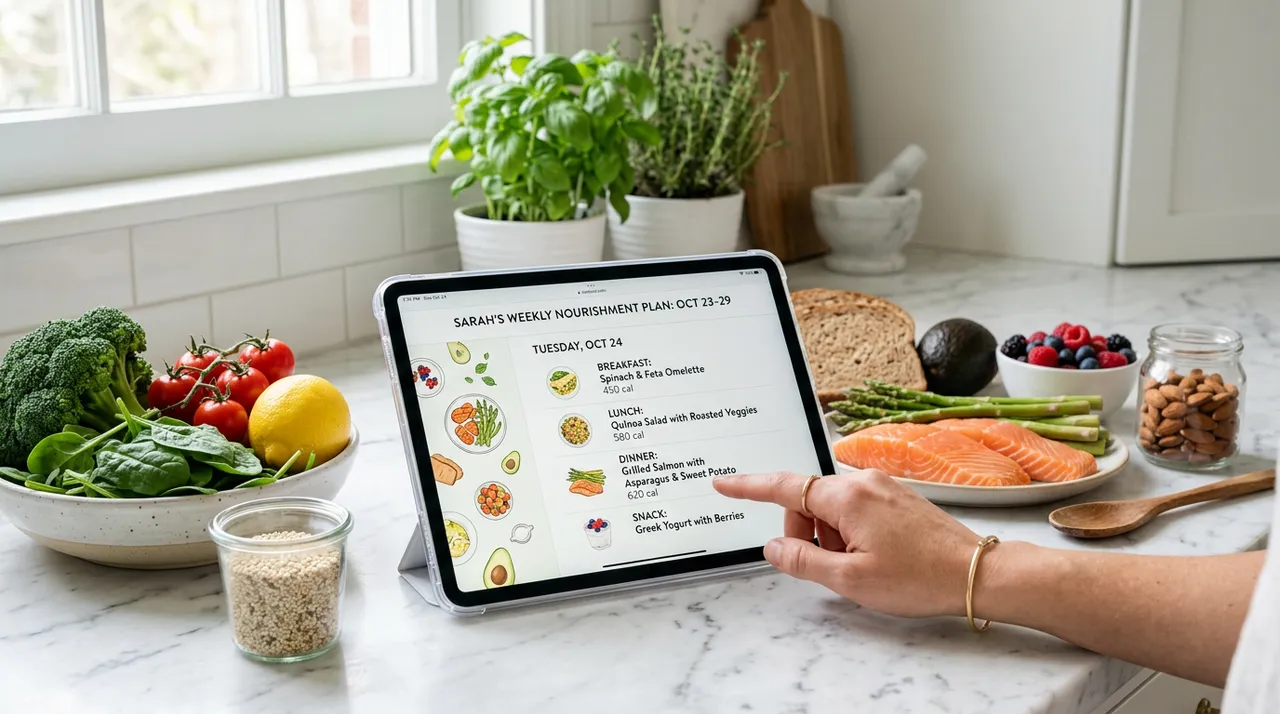
At its best, a personalised meal plan online is not a rigid menu telling you exactly what to eat forever. It is a practical framework built around your needs. That can include your health goals, dietary requirements, cooking confidence, schedule, food preferences and even how much mental space you have for planning meals.
This is where online support can be especially helpful. Instead of starting from a generic PDF or a trend on social media, you can work from guidance that reflects your current reality. If you travel for work, hate batch cooking, need family-friendly ideas or want meals that support training without taking over your week, the plan should account for that.
Personalisation also helps remove the all-or-nothing thinking that often derails progress. A useful plan does not assume every week will be perfect. It gives you options for busy days, lower-energy evenings and moments when life becomes unpredictable.
Generic plans tend to look tidy on paper and messy in practice. They often assume you have the same appetite every day, the same access to ingredients, the same amount of time to cook and the same goals as everyone else. That is rarely true.
A person managing burnout may need something very different from someone training for a half marathon. Someone trying to improve blood sugar balance may need a different structure from someone who simply wants to stop skipping lunch. Even two people with the same goal, such as weight management, may need completely different approaches depending on stress, sleep, medical history and daily routine.
There is also the issue of sustainability. A meal plan can look healthy and still be unrealistic. If it depends on complicated recipes, expensive ingredients or constant food prep, it can become another source of pressure rather than support.
One of the biggest advantages of a personalised meal plan online is not only nutrition. It is mental relief.
When you already spend your day making decisions, food can become one more draining task. Deciding what to buy, what to cook and whether what you are eating is “right” can quietly chip away at your energy. A personalised plan reduces that load. You know what you are aiming for, what your fallback options are and how to make choices without overthinking every meal.
That is particularly valuable for busy professionals and anyone feeling stretched. Healthy habits become much easier to maintain when they are built into your week instead of competing with everything else in it.
The phrase covers a wide range of needs, which is exactly why personalisation matters. For some people, the focus is fat loss or muscle gain. For others, it is better digestion, hormone support, improved energy or a calmer relationship with food.
If your goal is performance, your plan may need to consider meal timing, protein intake and fuelling around exercise. If your goal is stress recovery, it may be more useful to focus on consistency, balanced meals and practical ways to avoid long gaps without eating. If you are managing a health condition or food intolerance, the right structure becomes even more important.
This is also why one-size-fits-all nutrition advice can feel frustrating. What works brilliantly for one person may be unhelpful, or even counterproductive, for another. Good support meets you where you are and helps you move forward from there.
Not every service offering a personalised meal plan online delivers the same level of care. Some are little more than automated templates with your calorie target dropped in. Others take a more thoughtful approach and consider your wider wellbeing.
Look for a service that asks meaningful questions before making recommendations. Your goals matter, but so do your routines, preferences and barriers. If a provider does not ask about these, the plan may not be as personalised as it claims.
Flexibility is another good sign. A strong plan should adapt as your life changes. If you hit a stressful patch at work, start a new fitness routine or realise you need simpler meals than expected, your support should evolve too.
It also helps when nutrition is treated as part of a bigger picture. Eating habits are shaped by sleep, stress, workload, mindset and emotional wellbeing. A platform such as SympathiQ can feel useful here because it sits within a broader model of support rather than treating food in isolation.
There is a common assumption that once you have a tailored plan, everything should click instantly. In reality, even the best plan may need adjusting.
You might learn that you need quicker breakfasts than you thought. You might discover that evening snacking is less about hunger and more about stress or habit. You might start with ambitious cooking plans and then realise that simpler meals are what help you stay consistent.
That is not failure. It is useful information. The purpose of personalisation is not to create a flawless plan on day one. It is to create something responsive enough to keep working as you learn more about what supports you.
This matters because long-term progress usually comes from small changes you can repeat, not a short burst of perfection.
Information alone is rarely the issue. Most people already know the broad basics of healthy eating. The challenge is applying them consistently when life gets busy or motivation dips.
That is where accountability can make a real difference. With the right online support, you are not left alone with a document and a good intention. You have guidance, feedback and someone helping you turn advice into habits that feel manageable.
For some people, accountability means regular check-ins. For others, it means having a plan they genuinely want to follow because it feels realistic rather than punishing. Both matter. A plan that respects your capacity is often easier to stick to than one that demands constant discipline.

It depends on what you need.
If you enjoy planning meals, feel confident about nutrition and only need a few fresh ideas, you may not need much support. But if food feels confusing, inconsistent or emotionally loaded, a personalised approach can save time, reduce stress and help you make steadier progress.
It can also be especially worthwhile if you have tried multiple plans before and struggled to maintain them. Often, that is not because you lacked willpower. It is because the plan was not built for your life.
The value is not only in what to eat. It is in having a clearer path, fewer daily decisions and support that feels aligned with your goals instead of fighting against your routine.
The best meal plan is not the strictest or the most impressive. It is the one that helps you feel better and keeps working on ordinary Tuesdays.
That might mean repeating simple lunches, relying on easy staples during stressful weeks or choosing progress over precision. A personalised meal plan online should give you structure without making food feel like another source of pressure. It should support your wellbeing, not take over it.
If you have been stuck between wanting to eat better and not knowing how to make it realistic, taking the first step towards personalised support can bring a surprising amount of clarity. Sometimes what changes everything is not more effort. It is having a plan that finally fits.


Keto (very low carb, high fat) pushes the body toward burning fat for fuel. Some people see fast initial results and better appetite control; the trade-offs are an adjustment period some describe as "keto flu," real difficulty sustaining it long-term, and a need to watch saturated fat intake carefully rather than assuming "high fat" is automatically fine.
Plant-based eating is well-supported for heart health when done with whole foods rather than ultra-processed vegan substitutes — the planning risk is under-shooting protein, B12, and iron if it's not put together deliberately.
Mediterranean-style eating (fish, olive oil, whole grains, plenty of vegetables, moderate everything else) has the strongest long-term evidence behind it, largely because its variety makes it easier to actually stick with for years, not weeks.
None of these are "the answer." The one that works is the one you're still doing in six months.
Planning ahead is the single biggest lever against last-minute takeaways and random snacking — not because willpower fails, but because decision fatigue is real, and having a plan removes hunger-driven decisions from the equation entirely.
A realistic version: a rough weekly plan for what you're eating (not down to the gram), batch-cooking a protein source or two at the start of the week, and pre-portioning lunches if you know weekday mornings are chaotic. None of this needs to be elaborate — a repertoire of four or five genuinely quick meals you can make without thinking is worth more than an ambitious meal-prep Sunday you rarely get through.
Reaching for food when stressed, bored, or low isn't a character flaw — it's an extremely common, understandable pattern, and the occasional comfort meal isn't the problem. What matters is whether it's the only coping mechanism available. If work stress, poor sleep, or anxiety are consistently driving eating patterns rather than actual hunger, that's worth naming directly rather than only addressing through food.
This is also where nutrition and mental health genuinely overlap — chronic stress raises cortisol, which itself affects appetite and where the body stores fat, and poor sleep disrupts the hunger hormones (ghrelin and leptin) that regulate whether you feel satisfied. Treating diet as separate from stress and sleep usually means treating the wrong variable.
Self-directed nutrition changes work for a lot of people, but a few situations are worth professional input rather than another app or article:
A diagnosed condition (diabetes, kidney issues, a significant food intolerance) where getting it wrong has real consequences
A pattern of yo-yo dieting that keeps repeating despite genuine effort
Suspected hormonal factors (thyroid issues, PCOS, menopause) affecting weight in ways diet alone doesn't explain
Overeating or restriction that seems to be masking something else — anxiety, depression, or a difficult relationship with food that goes beyond "eating better"
In the UK, "nutritionist" isn't a legally protected title, while "dietitian" is — worth knowing the difference and checking credentials against a real professional body (AfN or BANT for nutritionists, HCPC for dietitians) before booking anyone, the same way you would with a therapist or coach.
Most people don't fail at nutrition because they lack information — there's more of it available than ever, often contradictory. What actually determines results is consistency over a long enough period, which is exactly why the most sustainable approach is usually less dramatic than it sounds. are checked against a real professional body before they can take a client, and it's pay-per-session — useful if you want a few sessions of real guidance without committing to an ongoing programme before you know if it's the right fit.
Do I need to count calories to lose weight? Not necessarily — portion awareness and protein-forward meals get a lot of people most of the way there without formal tracking. Tracking can help short-term for building awareness of actual intake, but isn't something most people need to sustain indefinitely.
Which diet is actually the best for weight loss? There's no universally best one — the evidence consistently shows adherence matters more than the specific approach. The best diet is the one you can realistically sustain for months, not the one with the fastest short-term results.
Is intermittent fasting safe for everyone? No — it's a poor fit for anyone with a history of disordered eating, and isn't automatically appropriate during pregnancy or with certain medical conditions. Worth checking with a GP or dietitian if you're unsure it applies to you.
When should I see a dietitian instead of just changing my diet myself? If you have a diagnosed condition affected by diet, a repeating pattern of regaining weight despite real effort, or suspect a hormonal factor is involved, professional input is worth the investment rather than another self-directed attempt.
When life feels full, convenience is not a luxury. It is often the difference between getting support and putting it off again.
An online nutrition coach allows you to book sessions around your life rather than rearranging your life around appointments, which can be especially helpful if a busy life keeps getting in the way. That may mean a lunchtime call, an evening check-in, or support while travelling. If you have ever abandoned a health goal because the logistics became too much, this model can remove a lot of friction.
There is also a level of comfort that matters. Talking about food, body image, stress eating, or health concerns can feel personal. For many people, speaking from home feels more at ease than sitting in a clinic. That privacy can make it easier to be honest, and better communication usually leads to better support.
Online coaching can also create stronger consistency. Instead of one-off advice that fades after a few days, you are more likely to have regular touchpoints, message-based accountability, and a plan that adapts as your week changes, which can help you stay consistent. That matters because nutrition progress usually comes from steady adjustments, not one perfect month.
Generic nutrition advice is everywhere. Eat more protein. Cut sugar. Meal prep on Sundays. Drink more water. Some of it is useful, but none of it helps much if it does not fit your reality.
A good online nutrition coach looks at what is realistic for you. If you work shifts, recommendations should reflect that. If stress affects your appetite, that needs to be part of the plan. If you have cultural food preferences, family routines, or a history of dieting, those are not side notes. They are central.
Personalisation also means knowing when to go slower. Not every goal should be tackled at once. Sometimes the right first step is regular breakfasts. Sometimes it is reducing the chaos around evening eating. Sometimes it is helping you build habits gradually so you stop starting over every Monday.
Habit tracking improves accountability and consistency in behavior change.
It can also increase goal achievement by 30% while improving self-awareness and motivation.
That kind of support can feel refreshingly human. Instead of forcing yourself into a system, the system starts to fit you through an evidence based approach grounded in science.
Not all coaching is equal, and the right fit matters. Qualifications are an important place to start. Depending on your needs, you may benefit from a registered dietitian, nutrition professional, or specialist with experience in a particular area such as sports nutrition, weight management, or behaviour change, even if some readers are also comparing that role with a personal trainer.
Beyond credentials, pay attention to approach. Does the coach ask about your goals and your lifestyle? Do they explain things clearly? Do they offer structure without judgement? The strongest coaching relationships tend to feel collaborative rather than controlling, so clients feel confident in the process.
It is also worth looking at how support is delivered. Some people prefer live video sessions. Others benefit from written check-ins, habit tracking, or a mix of both, along with clear service expectations for support between sessions. There is no single best format. The right one is the one you can actually stay engaged with.
If you are comparing options, look for clarity around privacy, pricing, scheduling, and what happens between sessions. Good support should feel accessible, not confusing.
An online nutrition coach can be especially helpful if you are stuck in a cycle of knowing what to do but not doing it consistently, especially if you are struggling with weight loss or working toward specific weight loss goals. That gap is common. Most adults do not need more information. They need support turning intention into routine.
It can also be a strong option if you feel overwhelmed by conflicting advice. Social media can make nutrition feel noisy and moralised, with every food choice framed as either excellent or terrible. Coaching can bring calm back into the picture with clearer, evidence-informed guidance. You get context, nuance, and recommendations that are shaped around your health rather than trends.
This support can be valuable during periods of change too. Returning to exercise, managing burnout, entering a new life stage, working on stress, trying to improve energy, or adjusting nutrition for training can all affect the way you eat. It can also help athletes who want better fueling and recovery. In those moments, nutrition guidance works best when it is part of a broader picture of wellbeing.
That is one reason integrated platforms can feel especially useful. If your eating habits are linked to stress, sleep, confidence, or mental load, having access to wider wellbeing support through one secure space, such as https://www.sympathiq.com, can make change feel more joined up, especially when that support includes the right team.
The honest answer is that it depends on your goals, your consistency, and the kind of support you choose. A coach is not a shortcut. They cannot remove every obstacle from your week or make change effortless, but they can help you achieve realistic results.
What they can do is help you make progress with more clarity and less guesswork. That may look like steadier energy, more regular meals, fewer binge-restrict cycles, a healthier diet, better recovery, improved confidence around food, or a sustainable way to lose weight through gradual body composition changes over time. High protein meals can support weight loss and muscle retention. For some people, the biggest result is not visible at all. It is feeling calmer and more in control.
Progress is rarely linear. Some weeks go well. Others are messy. A good coach expects that and helps you respond without slipping into guilt or giving up altogether. That mindset is often what makes the difference between another short-lived attempt and maintaining something that lasts.
Over 1,000 people have transformed their lifestyle from home.
One of the biggest misconceptions about nutrition coaching is that you need to be highly motivated before you begin. In reality, many people start when they feel frustrated, tired, or unsure where to turn next.
You do not need a perfect kitchen, a colour-coded meal plan, or endless free time. You need support that meets you where you are, helps you handle common challenges, and makes the right choices easier in real life. Sometimes that means ambitious goal-setting. Sometimes it means taking the pressure down and rebuilding trust in yourself. More importantly, the goal is a healthy approach you can sustain, not perfection.
That is the quiet strength of good coaching. It helps you stop treating health as a test you keep failing and start seeing it as a process you can learn.
If nutrition has started to feel heavier than it needs to, the right support can lighten the load. A thoughtful online coach will not just tell you what to eat. They will help you build knowledge, focus on practical decisions, understand what is getting in the way, what is worth changing, and what can finally feel sustainable in your real life, so you can feel great instead of just follow a diet.