Subscribe to Our Newsletter
To get the latest tips and news to support your well-being journey!


You do not need another abandoned workout plan sitting in your notes app. What most people need is structure, encouragement, and someone who notices when motivation drops off after a long week. That is why so many people now ask, are virtual fitness coaches effective, or are they just a polished version of generic online workouts?
The honest answer is yes, they can be highly effective - but not for every person, every goal, or every coaching model. Results depend less on whether coaching happens through a screen and more on whether the support is personalised, consistent, and realistic for your life.
For many adults, virtual coaching works well because it solves the biggest barrier to consistency: fitting support into everyday life. If you are balancing work, caring responsibilities, commuting, stress, or fluctuating energy, an in-person training schedule can feel like one more demand. Virtual coaching removes some of that friction.
A good coach can review your goals, build a plan around your current fitness level, check your progress, adjust sessions when life gets messy, and keep you accountable. That matters more than whether you are in the same room. For someone trying to improve strength, rebuild routine, increase activity, or regain confidence after burnout, virtual support can feel more sustainable than a rigid gym-based model.
It also helps that online coaching often gives you access to specialists you might not find locally. If you want support that considers stress, sleep, energy, confidence, or nutrition alongside exercise, a virtual setting can open up far more choice.
The best virtual fitness coaching is not just a PDF plan sent once and forgotten. It is an ongoing relationship with feedback, adaptation, and clear direction.
Personalisation is usually the first difference-maker. A coach who asks about your schedule, injuries, energy levels, exercise history, and wider wellbeing is far more likely to create something you can actually stick to. That could mean shorter sessions during busy periods, lower-impact training if you are dealing with pain, or gentler progression if confidence is low.
Accountability is the second. Many people know what to do in theory. The problem is doing it consistently when work runs late, sleep has been poor, or motivation disappears. A virtual coach can help by checking in regularly, tracking progress, and keeping your goals visible without turning the process into guilt or pressure.
The third is adaptability. Real life changes. A useful coach responds to that. If you miss sessions, struggle with a plan, or realise your original goal no longer fits, coaching should shift with you. That flexibility is one reason virtual support can be effective for people who have previously fallen out of rigid programmes.
Virtual coaching is not magic, and it has limits.
The biggest one is form correction. Some coaches use video reviews or live sessions well, but there is still a difference between remote feedback and having someone physically present. If you are brand new to resistance training, returning after injury, or lifting heavy with complex movements, in-person support may be safer or more reassuring at first.
There is also a big quality gap in the market. Some so-called coaches offer little more than automated plans, delayed replies, and vague encouragement. That is not coaching. It is content delivery dressed up as support. If the service is generic, the outcome often is too.
Personality fit matters as well. Some people thrive with digital communication and independent workouts. Others need the energy of face-to-face sessions or find it hard to stay engaged without a physical appointment to attend. Virtual coaching can be effective, but only if the format suits how you stay motivated.
This is where the answer becomes more nuanced. Virtual coaching is not automatically better or worse. It is better for some needs and weaker for others.
If your main challenge is consistency, routine, confidence, or finding a plan that fits around a busy life, virtual coaching can be just as effective as in-person support, and sometimes more effective because it is easier to maintain. A brilliant programme that you can actually follow beats a perfect one that you cannot keep up with.
If your priority is hands-on technique correction, sport-specific performance, or rehabilitation that requires close physical supervision, in-person training may be the stronger option. Some people also simply find physical presence more motivating.
For many, the ideal approach is not either-or. It is a blended model. You might use virtual coaching for structure, planning, progress tracking, and regular support, while adding occasional in-person sessions for movement checks or confidence with new exercises.
Virtual coaching often works especially well for working professionals, parents, frequent travellers, and people rebuilding healthy habits after long periods of stress. If your life is full, flexibility is not a luxury. It is what makes support possible.
It can also be a strong option for those who feel intimidated by gym culture. Training at home or in a quieter environment can make it easier to begin, especially if you have lost confidence, gained weight, or feel self-conscious starting again.
People with holistic goals often benefit too. Fitness does not exist in isolation. Low energy, burnout, poor sleep, emotional eating, and inconsistent routines all affect progress. A coach who understands the wider picture can help you make changes that last, rather than chasing short bursts of motivation.
The strongest coaches do more than prescribe workouts. They help you build a realistic path forward.
Look for someone who starts with assessment rather than assumption. They should ask about your goals, constraints, health background, confidence level, and preferred style of support. They should explain how check-ins work, how progress is measured, and what happens if your circumstances change.
It is also a good sign when a coach talks about recovery, sleep, stress, and habit-building alongside exercise. That does not make the process less results-focused. It usually makes it more effective, because your body and mind are not separate projects.
Platforms such as SympathiQ reflect this wider view of wellbeing, connecting people with support that can fit around both physical goals and the pressures affecting them behind the scenes.
If a coach promises dramatic transformation in a very short time, be cautious. If every client receives the same plan, be cautious. If communication is vague, slow, or missing before you even start, expect that to continue.
Another warning sign is a coach who ignores your lifestyle. Fitness support should challenge you, but it should still fit into your actual week. A plan that assumes endless time, perfect sleep, and constant motivation is not ambitious. It is out of touch.
Be wary too of coaching that relies heavily on shame. Accountability should feel supportive and clear, not punitive. Lasting progress usually comes from trust, not fear of disappointing someone.
Even the best coach cannot do the work on your behalf. The relationship works best when expectations are clear on both sides.
Start with an honest goal. Not the one that sounds impressive, but the one that matters. That might be exercising three times a week without burning out, getting stronger, improving energy, or feeling more comfortable in your body again. Clarity gives your coach something useful to build around.
It also helps to be honest about obstacles. If mornings are unrealistic, say so. If you struggle with all-or-nothing thinking, mention it. If your work schedule changes weekly, your plan needs to reflect that from the beginning.
Finally, give the process enough time. Effective coaching is rarely about one perfect week. It is about what happens across ordinary, imperfect months. Progress may look like better adherence, steadier energy, more confidence, improved strength, or less stop-start behaviour - not just aesthetic change.
Yes, often very much so. When coaching is personalised, responsive, and built around real life, virtual support can help people create meaningful fitness progress without adding more strain to an already busy life.
What matters most is not whether your coach stands beside you in a gym. It is whether they understand your goals, support your consistency, and help you move forward in a way that feels sustainable. The right support should meet you where you are, then help you take the next step with confidence.

Your email address will not be published. Required fields are marked *
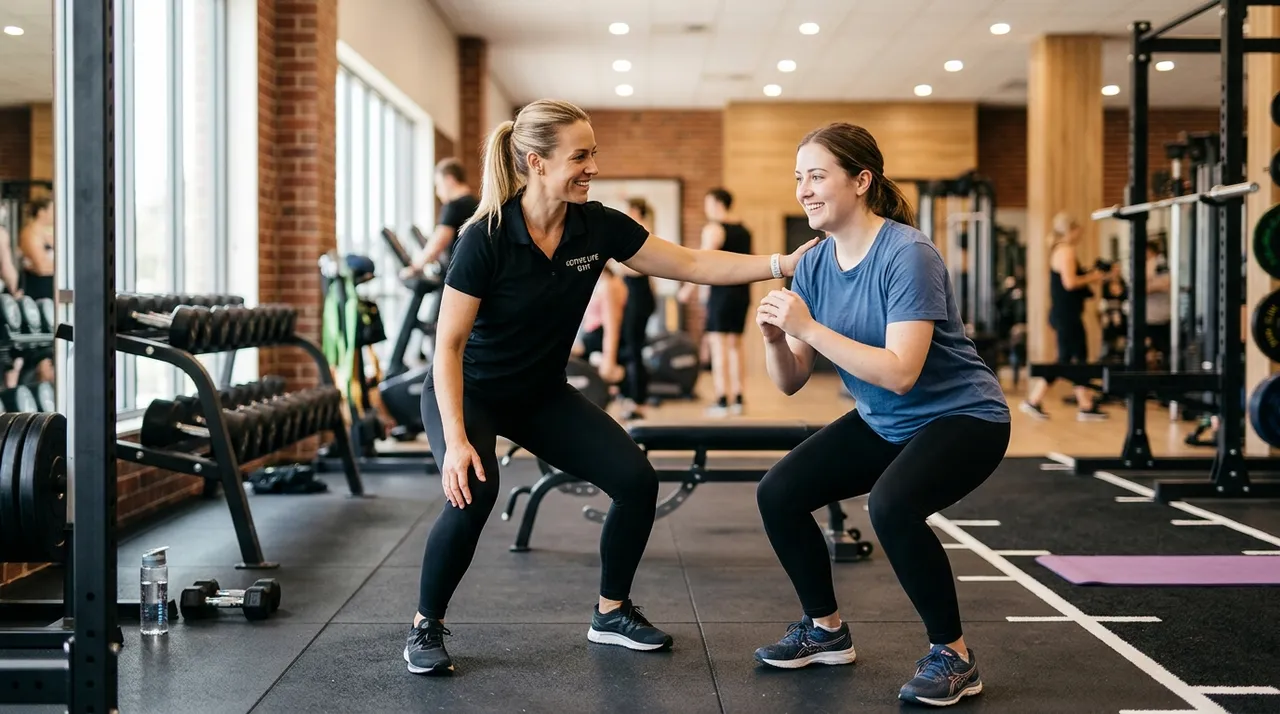 Why beginners often quit without support
There is a reason so many fitness plans fall apart after a promising start. Most beginners do not lack discipline as much as they lack a realistic system.
When you are new, it is easy to copy routines from people with very different bodies, schedules and experience levels. That usually leads to one of two outcomes. Either the plan is too hard and you stop, or it is so vague that you never quite begin. Coaching helps close that gap by turning good intentions into something specific.
There is also the emotional side. Starting fitness can bring up self-consciousness, frustration and comparison. If you already feel burnt out or stretched thin, a harsh approach can make things worse. Supportive coaching works better because it meets you where you are. It gives you permission to start small without treating small as meaningless.
Many people look for a coach because they want visible results - more strength, improved fitness, weight loss, better energy, or a healthier routine. Those are valid goals. But for beginners, the first win is usually behavioural.
Can you move regularly without dreading it? Can you fit exercise into a busy week? Can you recover well enough to come back again? Can you build trust in your own ability to follow through? These questions matter because they shape what happens after the first burst of motivation fades.
A strong coach understands this. They are not just prescribing workouts. They are helping you create repeatable patterns. That might mean three short sessions instead of five long ones, walking on stressful days instead of skipping movement entirely, or learning how to restart without guilt after a disrupted week.
This is one reason holistic support matters. Physical goals do not exist in isolation. Sleep, stress, mood and work pressure all influence your ability to stay consistent. That is why platforms such as SympathiQ can feel especially useful for people who want support that sees the bigger picture, rather than treating fitness as a stand-alone task.
Not everyone needs coaching forever, and not every beginner needs the same kind of help. Some people mainly need accountability. Others need education, reassurance or a plan tailored around a health condition, low confidence or a stop-start history with exercise.
You are likely to benefit from coaching if you keep delaying the start because you feel overwhelmed, if you have tried generic programmes and lost momentum, or if you want expert guidance without the pressure of figuring everything out alone. It can also be helpful if you are returning to movement after stress, burnout or a long gap. In those moments, confidence tends to matter as much as fitness itself.
That said, the fit matters. A brilliant coach for an experienced gym-goer may be completely wrong for a beginner. You want someone who can explain things clearly, adapt to your pace and treat your starting point with respect. If their method relies on shame, extremes or all-or-nothing thinking, keep looking.
The right coach should make the process feel clearer, not more intimidating. Credentials matter, but communication matters just as much. You need someone who can translate knowledge into action you can actually take.
Look for a coach who asks thoughtful questions before building a plan. They should want to know about your goals, current activity level, schedule, energy, preferences and any injuries or concerns. If they hand you a rigid programme before understanding your life, that is a warning sign.
It also helps to notice how they talk about progress. Good beginner coaching is specific and encouraging. It focuses on building skills and habits, not chasing punishment or perfection. You should leave sessions feeling supported and stretched in a healthy way, not defeated.
Online coaching can work especially well here because it adds flexibility. For busy adults, being able to book sessions around work and home life often makes the difference between a plan that sounds good and one that actually happens.
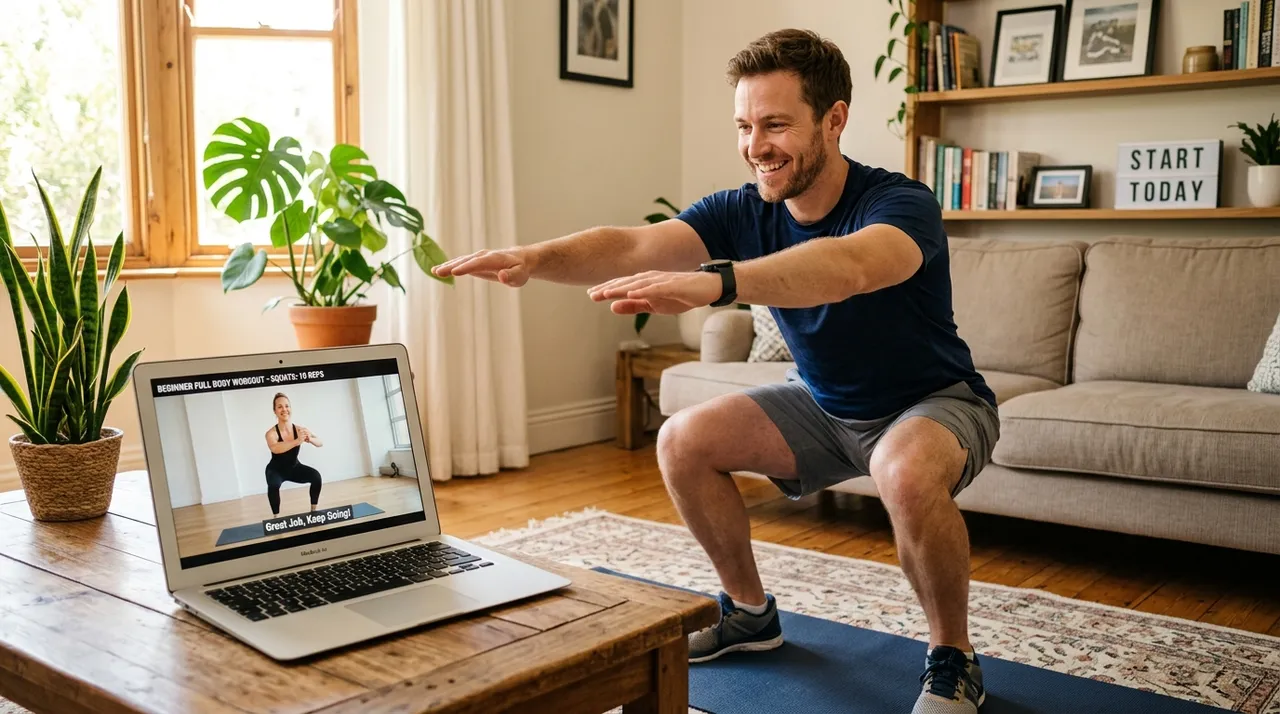 What your first few weeks may look like
One of the biggest misconceptions about coaching is that you need to be ready for a dramatic transformation from day one. In reality, a thoughtful start is often much quieter.
Your first weeks may focus on simple movement patterns, short sessions and learning how your body responds. You might work on walking, bodyweight exercises, basic strength training or mobility. You may also discuss recovery, confidence, routine and what tends to throw you off track.
This can feel almost too simple if you are used to dramatic before-and-after messaging. But simple is often what works. Beginners usually do better with an approach they can repeat than with one that leaves them exhausted after four days.
There will be trade-offs. If your main goal is speed, a slower build may test your patience. If your schedule changes constantly, your plan may need more flexibility and less precision. That does not mean the process is weak. It means it is designed to last.
One reason people give up early is that they expect progress to look immediate and visible. Sometimes it does. Often, especially at the beginning, it shows up in quieter ways.
You may notice that stairs feel easier, your posture improves, your mood lifts after movement, or you recover faster from a busy week. You may feel less intimidated by exercise and more certain about what to do when you walk into a gym or start a session at home. These shifts matter because they create momentum.
A coach helps you recognise those markers, which is more important than it sounds. When you can see progress clearly, you are less likely to mistake a normal plateau for failure.
There is no prize for choosing the hardest possible version of getting fit. For beginners, the most effective plan is usually the one that respects your current capacity while still moving you forward.
That may mean two sessions a week. It may mean starting at home before joining a gym. It may mean combining fitness support with help for stress, routine or confidence. The path will not look identical for everyone, and that is a strength, not a weakness.
If you have been waiting to feel fully ready, consider this your reminder that readiness is often built through action, not before it. The right support will not ask you to become a different person overnight. It will help you take the first step in a way that feels safe enough to repeat.

Trying to exercise when your calendar is already full often ends the same way - a burst of motivation, a week of effort, then silence. That is exactly where an online fitness coach can make a real difference. Instead of asking you to reshape your life around a rigid programme, the right coach helps you build a plan that fits your routine, your energy, and your goals.
For many adults, fitness is not really the problem. The problem is consistency. You may know that movement matters, but between work, family responsibilities, stress and poor sleep, even simple routines can feel hard to maintain. Support changes that. Not because someone is standing over you, but because you have a clear structure, expert guidance and a person who understands what progress actually looks like in real life.
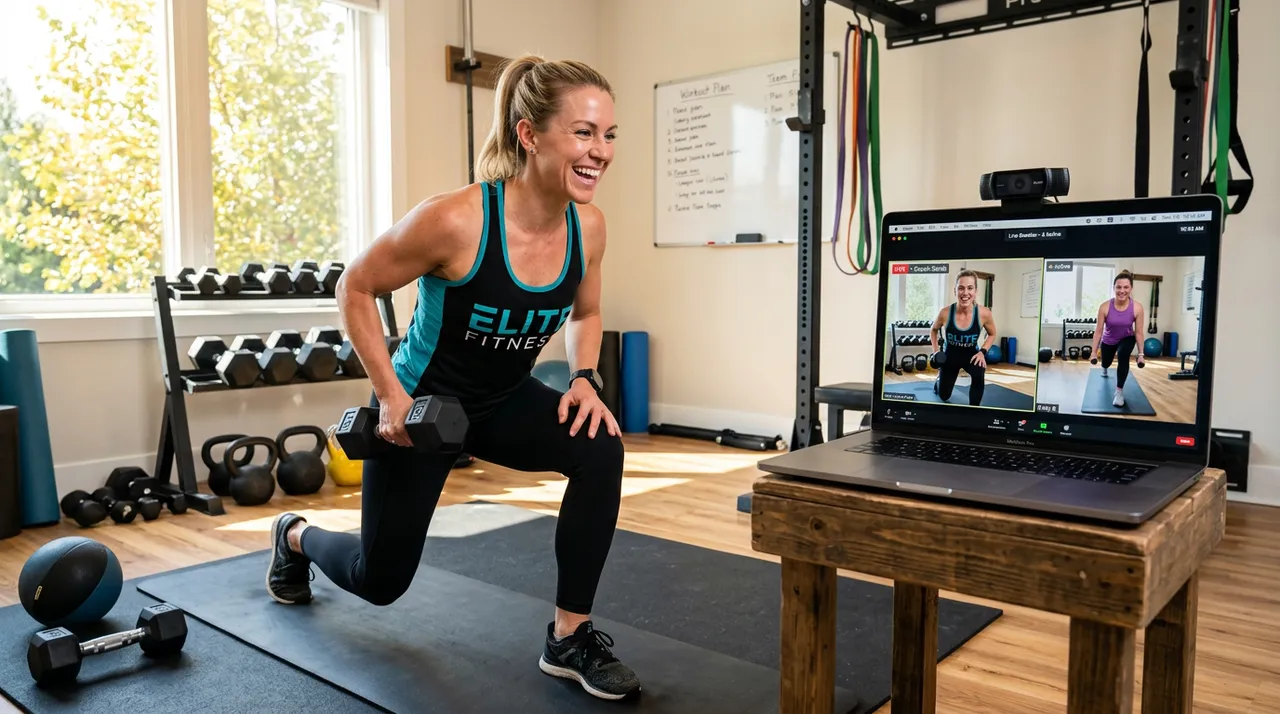
An online fitness coach is more than a digital version of a personal trainer. Yes, they may create workouts and help you improve strength, mobility, endurance or body composition. But the better ones also look at the wider picture - how you recover, how stress affects your energy, what barriers keep interrupting your momentum, and what kind of accountability will genuinely help.
That matters because fitness rarely sits in isolation. If you are feeling burnt out, your training capacity changes. If your sleep is poor, recovery slows down. If your confidence is low, even starting can feel exposing. A thoughtful coach works with those realities rather than pretending they do not exist.
For some people, online coaching is about performance and progression. For others, it is about rebuilding trust in their body after a difficult period, creating healthier routines, or finding a sustainable way to move after months or years of stop-start effort. Both are valid. The role of the coach is to meet you where you are and help you move forward with clarity.
Traditional fitness support can be helpful, but it often comes with friction. Travel time, fixed session slots, limited choice in your local area and the pressure of fitting everything into one location can make it harder to stay engaged. Online coaching removes much of that strain.
You can train at home, in a gym, outdoors or while travelling. You can check in around your work schedule rather than losing half a day to commuting. You can choose someone based on their approach and expertise, not just postcode. That flexibility is not a small perk - for many people, it is the difference between keeping going and giving up.
There is also a privacy element that matters more than people sometimes admit. Starting a fitness journey can feel vulnerable, especially if you are returning after burnout, injury, illness or a long period of inactivity. Online support can create a calmer entry point. You still receive personalised care, but in a way that feels more manageable and discreet.
The biggest benefit is not simply having workouts sent to your mobile phone. It is having a plan that reflects your current capacity instead of an idealised version of you. That makes consistency far more likely.
A good coach helps you set goals that are specific enough to guide action but flexible enough to survive real life. If your week becomes chaotic, they can adjust. If you are progressing quickly, they can build on that. If your motivation dips, they can help you spot whether the issue is discipline, exhaustion, unrealistic expectations or a programme that is no longer working for you.
That level of personalisation can protect you from two common mistakes. The first is doing too little because you are unsure where to begin. The second is doing too much too soon because you are trying to make up for lost time. Both can keep you stuck.
An online fitness coach can also improve your confidence. When someone explains why you are doing certain exercises, how to pace yourself and what kind of progress is realistic, fitness starts to feel less confusing. You are not just following instructions - you are learning how to understand your own body and habits.
Not everyone needs coaching forever. Some people need a short period of structure to build momentum, while others benefit from longer-term accountability. The key question is not whether coaching is trendy or convenient. It is whether you would do better with support than without it.
If you regularly start strong and then lose direction, coaching may help. If you are overwhelmed by conflicting advice online, coaching may help. If you have a clear goal but struggle to turn it into a practical routine, coaching may help. And if you are dealing with stress, low energy or burnout, having a coach who understands how to scale effort sensibly can be especially valuable.
That said, it depends on what you want. If you simply need a free beginner plan and enjoy figuring things out independently, you may not need one-to-one support yet. But if you want a tailored path, feedback, accountability and a more human experience, coaching often becomes far more effective than trying to piece everything together on your own.
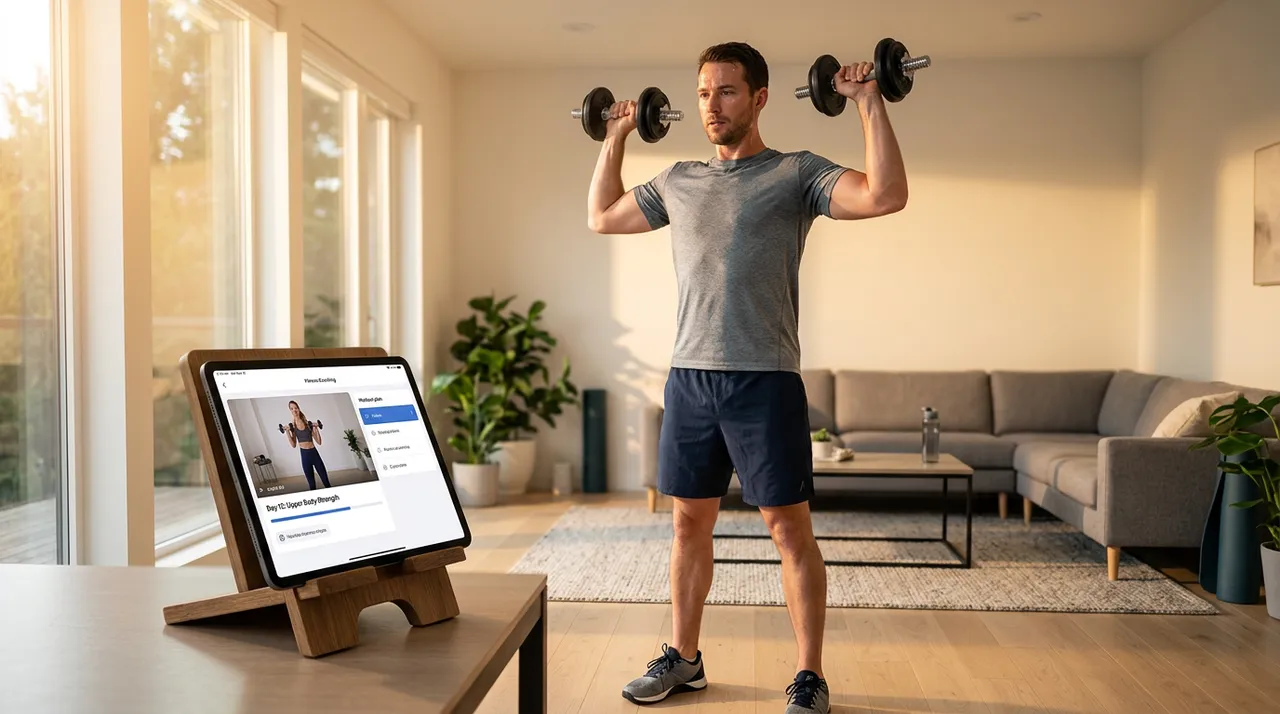
Credentials matter, but so does communication. A coach can have technical knowledge and still be a poor fit if their style is too rigid, too generic or disconnected from your life. You want someone who listens well, asks thoughtful questions and adapts rather than forcing you into a fixed model.
Look for a coach who is clear about their process. How do they assess your starting point? How often do they check in? What kind of support is included between sessions? Do they tailor plans around equipment, time constraints and injuries? Good coaching should feel structured, but never impersonal.
It is also worth paying attention to philosophy. Some coaches focus heavily on aesthetics, others on performance, and others on long-term health and behaviour change. None is automatically wrong, but alignment matters. If your goal is to feel stronger and more balanced, a coach who only talks about drastic transformations may not be the right match.
Because wellness is interconnected, many people benefit from support that recognises more than sets and reps. If your stress levels, sleep, nutrition or mindset are affecting your fitness, a more holistic model can be especially helpful. That is one reason platforms such as SympathiQ can feel more supportive - they make it easier to find care that reflects the bigger picture, not just one isolated goal.
Accountability is often misunderstood. It is not about pressure or guilt. The most effective accountability feels steady, honest and encouraging. It helps you stay engaged without making you feel judged when life gets messy.
A strong coach will help you recognise patterns. Maybe you skip exercise when work becomes intense. Maybe you set goals that are too ambitious for your current energy. Maybe all-or-nothing thinking is keeping you trapped between overtraining and doing nothing. Once those patterns are visible, they can be changed.
This is where online coaching can be surprisingly powerful. Regular messages, progress reviews and small adjustments create continuity. You do not need to wait for a weekly in-person slot to ask a question or get back on track. That ongoing connection can make fitness feel like part of your life, rather than a separate project you keep failing to maintain.
One of the biggest worries is whether online coaching can really feel personal. It can, provided the coach takes time to understand you and offers meaningful feedback rather than automated check-ins. Another concern is cost. While coaching is an investment, online formats are often more flexible and accessible than traditional personal training.
Some people also worry that they are not fit enough to begin. In practice, that is often the strongest reason to seek guidance. You do not need to be advanced to work with a coach. You need to be willing to start honestly.
There is also the question of results. No coach can promise a perfectly straight line of progress, because life is not linear. But the right support can help you build momentum, recover from setbacks faster and make choices that are actually sustainable.
If fitness has started to feel like another thing you are failing to keep up with, that feeling can change. The right online fitness coach does not add pressure for the sake of it. They help you create a routine that supports your body, respects your reality and gives you a clearer path forward. Sometimes the first real shift is not doing more. It is finally getting the kind of support that makes progress feel possible.
Check qualifications, evidence, total cost, sales pressure and what happens after the programme ends |