Subscribe to Our Newsletter
To get the latest tips and news to support your well-being journey!
Find the right specialist for youFind a Specialist


Online therapy in the UK typically costs between £50 and £80 per session, against £50 to £150 or more for private face-to-face therapy. NHS Talking Therapies are free, and charities and trainee counsellors offer lower-cost routes too. This guide compares each option, explains what drives the price, and shows how to check that a therapist is qualified.
Format | Typical UK Cost (per session) | Best for | Trade-off |
|---|---|---|---|
NHS Talking Therapies | Free | Anxiety and depression; you can self-refer in England | Waiting time varies by area |
Charity or community service | Free to low cost | Support while you wait or on a tight budget | Limited sessions; availability varies |
Trainee counsellor | £25–£45 per session | Lowest-cost regular sessions | Trainees are supervised but less experienced |
Online therapy marketplace, such as SympathiQ | £50–£120 per session, plus a booking fee | Choosing a qualified therapist by price, specialism and time | Price depends on the practitioner |
Private in-person therapy | £80–£100 per hour; £90–£150 in London | A strong preference for meeting face to face | Highest cost, plus travel |
Online practitioners do not pay for a consulting room, and you save on travel and time off work. Many therapists pass some of that saving on, which is why online rates are often lower than in-person rates for the same qualifications.
Qualifications and accreditation. Accredited practitioners with more training usually charge more.
Experience and specialism. Work on trauma or couples therapy is often priced above general counselling.
Session length. Most sessions run 50 or 60 minutes; check which one the price covers.
Location. London rates are higher, even for online sessions with London-based therapists.
Trainee status. Trainees charge less because they work under supervision.
Self-refer to NHS Talking Therapies. In England you can refer yourself without seeing a GP. It is free, but waits vary by area, so check your local service on the NHS website.
Ask about reduced fees. Some therapists offer a lower rate to students, people on low income or those booking regular sessions.
Choose a trainee counsellor. Sessions are supervised and cost less.
Try a charity or community service. Local Mind associations and community counselling charities may offer free or low-cost sessions, usually for a set number of weeks.
Check your employer's assistance programme. Many provide a few free sessions a year; ask HR.
Compare practitioners on a marketplace. On SympathiQ you can compare verified specialists by price and specialism. The booking fee is £4 per session, some of new clients get £10 off a first booked session, and some specialists offer a free 15-minute intro call.
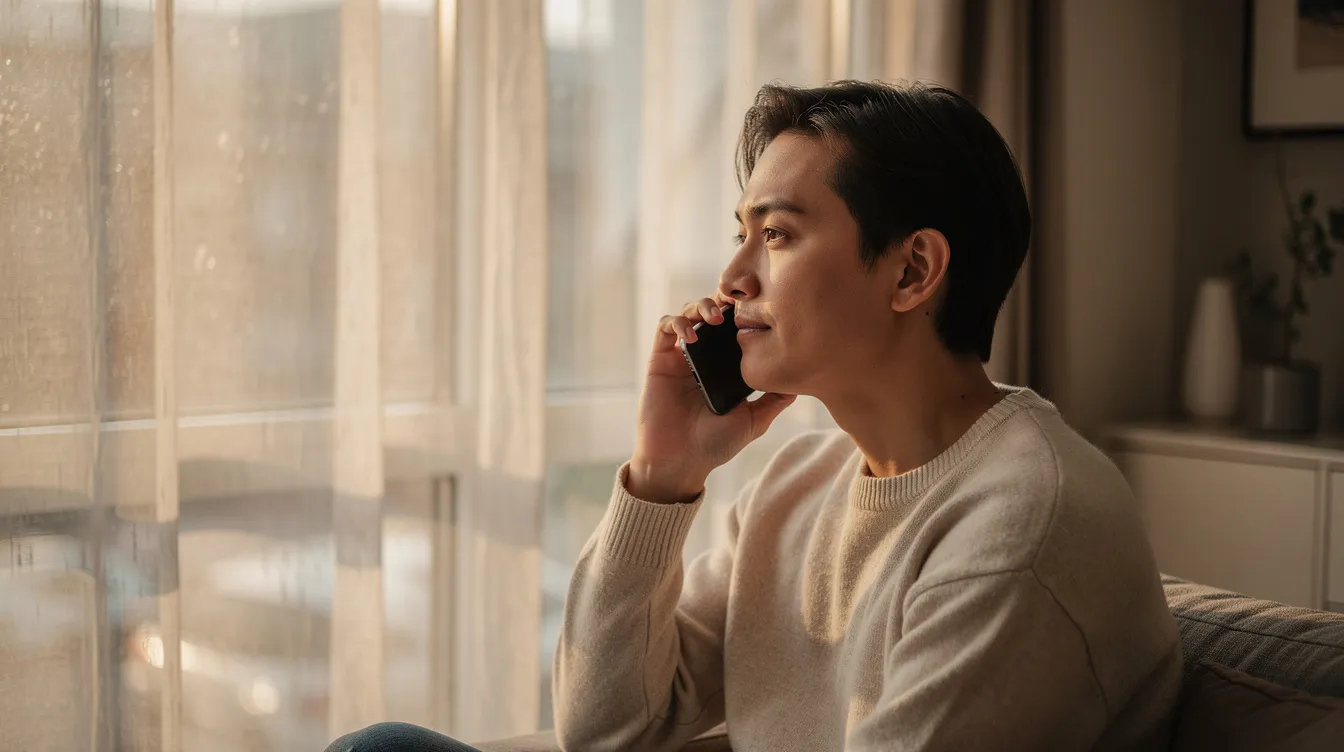 Is cheaper therapy worse?
Not by itself. A lower price can reflect a trainee, a shorter session or a therapist who works online only. What matters more is that the therapist is properly qualified and that you feel comfortable with them. That is why a short intro call is worth taking before you commit.
Look for registration or accreditation with a professional body such as BACP, UKCP or NCPS, and check their public register.
Practitioner psychologists should be registered with the HCPC. "Therapist" and "counsellor" are not protected titles, so registration is what you check.
Ask about their training, supervision, insurance and the approach they use.
Get fees, session length and the cancellation policy in writing before the first session.
SympathiQ checks professional accreditation before a specialist is listed.
Many people find video sessions as comfortable as meeting in person, and they are easier to fit around work and caring. Face to face can suit you better if you want to be in the room with someone or lack a private space at home. If you are unsure, an intro call lets you test the format.
Online therapy is not an emergency service. If you are in immediate danger, call 999. You can talk to Samaritans free at any time on 116 123, or call NHS 111 for urgent mental health advice.
Browse verified therapists and counsellors and filter by price, specialism and availability.
Book a free 15-minute intro call if the specialist offers one.
Book a video session at a time that suits you.
Looking for support with anxiety specifically? See online anxiety therapy. For couples, see couples therapy online.
How much does online therapy cost in the UK? Most online sessions cost between £50 and £80, depending on the therapist's qualifications, experience and session length.
What is the cheapest way to get therapy in the UK? NHS Talking Therapies are free. After that, charity services, trainee counsellors and some employer schemes are the lowest-cost routes.
Can I get free therapy without the NHS? Some charities and community services offer free counselling, usually for a limited number of sessions. Availability depends on where you live.
Is there free online counselling? Some charities run free web chat or short online courses of sessions, but places are limited. Check with a local Mind association or a national mental health charity.
Is online therapy as effective as face-to-face therapy? For many common concerns, research on video-delivered therapy is encouraging. [Add one sourced systematic review with a link before publishing.]
What is the difference between a therapist and a psychologist? "Therapist" and "counsellor" are general terms and are not protected titles. A practitioner psychologist has doctorate-level training and must be registered with the HCPC. Check registration whichever title someone uses.
Does SympathiQ charge extra for booking? There is a small booking fee on top of the specialist's session price 4£.

Your email address will not be published. Required fields are marked *