Subscribe to Our Newsletter
To get the latest tips and news to support your well-being journey!


Booking therapy should not feel like a second source of stress. If you are already carrying anxiety, burnout, low mood or relationship pressure, the last thing you need is a clunky form, vague privacy wording or a platform that leaves you wondering who can see your details. Secure online therapy booking matters because trust starts before the first session. It begins the moment you search, compare specialists and decide whether a platform feels safe enough to share something personal.
That sense of safety is not just emotional. It is practical. When a booking experience is built well, it protects your information, gives you control over your schedule and makes it easier to find support that fits your life rather than disrupts it. For busy professionals, parents, couples and anyone trying to hold a lot together at once, that can be the difference between putting help off and actually taking the first step.
People often assume security is only about passwords and payment screens. Those things matter, but secure online therapy booking is broader than that. It includes how your personal details are collected, how your session history is stored, how confidential messages are handled and whether the platform is clear about who has access to what.
A trustworthy booking journey should make boundaries feel visible. You should know when you are creating an account, what information is required, how appointments are confirmed and how billing works. If any part feels confusing or hidden, it is reasonable to pause. Therapy relies on openness, but the platform itself should not ask you to make blind leaps.
There is also a human side to security. Good booking systems reduce the chance of awkward mistakes such as double bookings, missed confirmations or messages sent into the void. That reliability helps create a calmer starting point, especially if you are reaching out at a vulnerable moment.
Some platforms focus so heavily on protection that the experience becomes hard to use. Others make things fast and polished but leave too many questions unanswered. The best option sits in the middle. It respects the sensitivity of therapy while keeping the process straightforward enough that you can book without overthinking every click.
That balance matters because friction changes behaviour. If finding a therapist takes too long, or if payment and scheduling feel uncertain, people delay. They tell themselves they will come back next week. Weeks become months. Support that could have helped sooner stays out of reach.
Ease does not make therapy less serious. It makes access more realistic. A secure and accessible booking experience says something powerful: your wellbeing deserves support that fits into real life.
The first sign is clarity. A platform should explain its process in plain language. You should be able to understand how to search for a specialist, when you will be charged, how cancellations work and what happens after you book. If the wording feels evasive or overly technical, that is not reassuring.
The second sign is sensible data handling. You do not need a deep technical briefing, but you should feel confident that personal details, payment information and appointment records are treated with care. A serious platform will not make privacy feel like a footnote.
The third sign is control. Look for options that let you review availability, choose a suitable session time and manage appointments without needing long back-and-forth exchanges. Control matters because therapy should adapt to your circumstances, whether you are fitting sessions around work, parenting or recovery from burnout.
The fourth sign is practitioner transparency. You should be able to see who you are booking with, what they specialise in and whether their approach aligns with what you need. Secure booking is not only about data protection. It is also about helping you make informed choices rather than nudging you into a poor fit.
When people think about online therapy, they usually focus on the session itself. Yet the quieter details around booking often shape the whole experience. Appointment reminders, clear time zone handling, secure payment collection and easy rescheduling all contribute to a sense of stability.
That is especially important if life already feels overloaded. Someone dealing with chronic stress may not have the bandwidth to chase confirmations or decode inconsistent emails. Someone exploring therapy for the first time may need the reassurance of a simple, predictable process. In both cases, thoughtful booking design reduces emotional admin.
There is also the issue of discretion. Not everyone wants therapy arrangements visible in shared inboxes, on unclear bank statements or spread across multiple apps. A well-designed platform respects the fact that privacy is personal. For some people it is about confidentiality in a household. For others it is about feeling emotionally protected while they decide what kind of support they want.
Convenience can sound like a luxury until you are trying to care for yourself around everything else. If your schedule is packed, online booking is not just easier. It may be the only reason support becomes possible at all.
Being able to browse specialists, compare availability and book from home gives you more freedom to act when motivation is there. That matters because the window between realising you need help and actually seeking it can be small. A complicated process can close that window fast.
There is a trade-off, though. Speed should not mean rushing into the first available appointment without checking the basics. The right platform helps you move quickly while still giving you enough information to choose well. That combination of pace and confidence is what turns convenience into meaningful access.
Clients are not the only ones relying on a secure system. Practitioners need booking tools they can trust as well. If specialists are juggling calendars, client notes, payments and session links across disconnected systems, the risk of mistakes rises. That can affect the care experience for everyone involved.
A strong platform supports both sides. It gives practitioners a professional way to present their services, manage schedules and communicate clearly, while also giving clients a smoother route to care. When both sides feel supported, the whole experience becomes more grounded and reliable.
This is where an integrated platform can make a real difference. When discovery, booking, virtual sessions and ongoing support work together, there is less room for confusion. For clients, that means fewer barriers. For practitioners, it means more time spent helping people and less time patching together admin.
A booking system cannot replace the therapeutic relationship, but it can support it. First impressions matter. If the process feels respectful, clear and calm, people arrive at their first session with less friction and more readiness. They are not already frustrated by missed links or worried about who has seen their information.
That calmer starting point can be particularly valuable for anyone feeling emotionally exposed. Seeking help often requires courage. Small signals of care, such as clear privacy expectations and reliable scheduling, can make that courage easier to hold onto.
It also helps with consistency over time. When managing appointments is simple, people are more likely to keep sessions going, adjust timings when life changes and stay connected to their support plan. Progress in therapy often comes from continuity, not from one perfect conversation.
Not everyone seeking support wants therapy alone. Some people are also navigating sleep issues, nutrition habits, stress at work, relationship strain or a loss of direction. In those cases, a platform that treats wellbeing as connected rather than compartmentalised can feel more supportive.
That does not mean every person needs every service. It means your path can evolve without starting from scratch each time. If your needs change, it helps to be in an environment built around holistic care, where privacy, convenience and professional guidance still hold steady. This is one reason platforms such as SympathiQ resonate with people who want support that reflects real life rather than forcing it into a single box.
Take a moment to notice how the platform makes you feel. Not just whether it looks polished, but whether it feels trustworthy. Can you understand the process? Can you see who you are booking with? Do privacy and payments seem clear? Does the experience lower stress rather than add to it?
The best choice is rarely about flashy features. It is about whether the platform creates enough safety and simplicity for you to begin. Secure online therapy booking should help you feel held, informed and in control from the start.
If you are ready for support, do not wait for the perfect moment. Choose a platform that respects your privacy, fits your schedule and makes the first step feel possible. Sometimes real progress begins with something as simple as a booking experience that feels safe enough to say yes.
Your email address will not be published. Required fields are marked *

You might be ready to open up about burnout, anxiety, relationship strain or something you have not said out loud to anyone yet - and then one question stops you cold: is online therapy confidential? It is a fair concern. When support happens through a screen, privacy can feel less obvious than it does in a quiet therapy room.
The reassuring answer is yes, online therapy is confidential in much the same way as in-person therapy, but confidentiality is not absolute and it depends on the provider, the platform, and the situation. That nuance matters. If you know what to look for, you can choose support with far more confidence and focus on what actually brought you there.
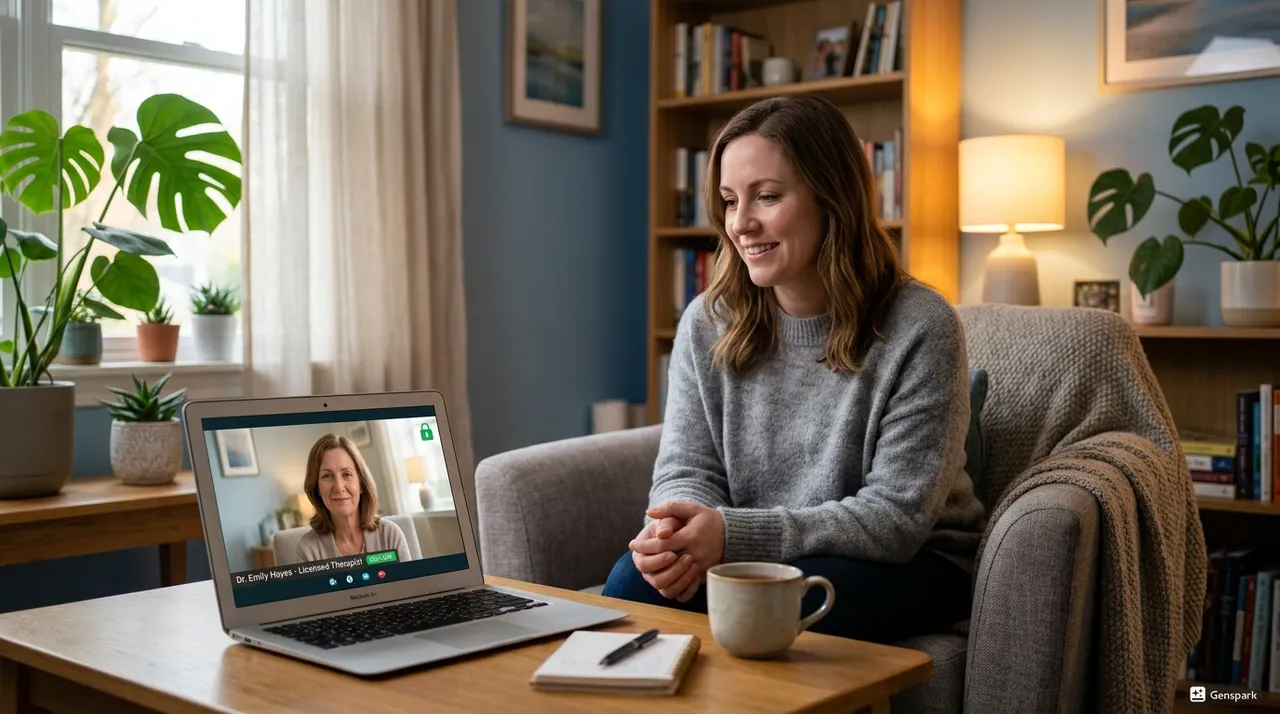
In practice, confidentiality means what you share in therapy is meant to stay between you and your therapist. Notes, session details, personal history and sensitive disclosures should be handled privately and stored securely. Whether your session takes place face to face or by video, the same ethical duty applies.
That said, online therapy adds a digital layer. Your privacy depends not only on your therapist's professional standards, but also on the security of the technology being used. A qualified therapist may be fully committed to confidentiality, yet a poor platform, weak passwords or a lack of privacy at home can still create risks.
This is why the better question is often not simply, "is online therapy confidential?" but "how is confidentiality protected, and where are the limits?" Once you understand those two parts, online support can feel much less uncertain.
If you are working with a legitimate therapist or specialist, confidentiality generally covers the content of your sessions, your contact details, your health or wellbeing information, appointment history, and any written messages or forms shared as part of care. Therapists are also usually careful about how records are stored, who can access them, and how they communicate with you.
For many people, online therapy can actually feel more private than travelling to a clinic. There is no waiting room, no chance encounter in reception, and no need to fit appointments around a public commute. For professionals with packed schedules or anyone worried about stigma, that discretion can make it easier to take the first step.
Still, privacy is strongest when both sides take it seriously. A secure platform helps, but so does having your session somewhere you cannot be overheard.
This is the part every ethical provider should explain clearly. Confidentiality is a core promise, but there are recognised situations where a therapist may need to share information.
Most often, this happens if there is a serious risk of harm to you or someone else, or if there are safeguarding concerns involving a child or vulnerable adult. A therapist may also have to disclose information if required by law or court order. In some settings, limited information may be shared with clinical supervisors to support quality of care, though that should still happen within professional confidentiality standards.
None of this is unique to online therapy. These limits exist in in-person therapy too. The difference online is that providers should explain them in plain language before you begin, usually through an agreement, privacy notice or onboarding process. If those limits are vague, hidden or overly broad, that is worth pausing over.
A trustworthy online therapy service should do more than offer video calls. It should be built to protect sensitive conversations and personal data from the start.
That usually includes encrypted communication, secure account logins, controlled access to records, protected payment systems, and clear privacy policies. Some platforms also separate administrative data from session content, keep audit trails, and give practitioners structured tools for record-keeping rather than relying on scattered emails and consumer messaging apps.
This is where platform choice matters. Not every video tool is designed for confidential care, and not every wellness marketplace handles privacy with the same level of care. If a service makes bold claims about confidentiality but says little about security, that gap is worth noticing.
At SympathiQ, for example, the emphasis on privacy and secure digital care is part of the overall experience rather than an afterthought. That matters when you are sharing personal information and want support to feel both human and well protected.
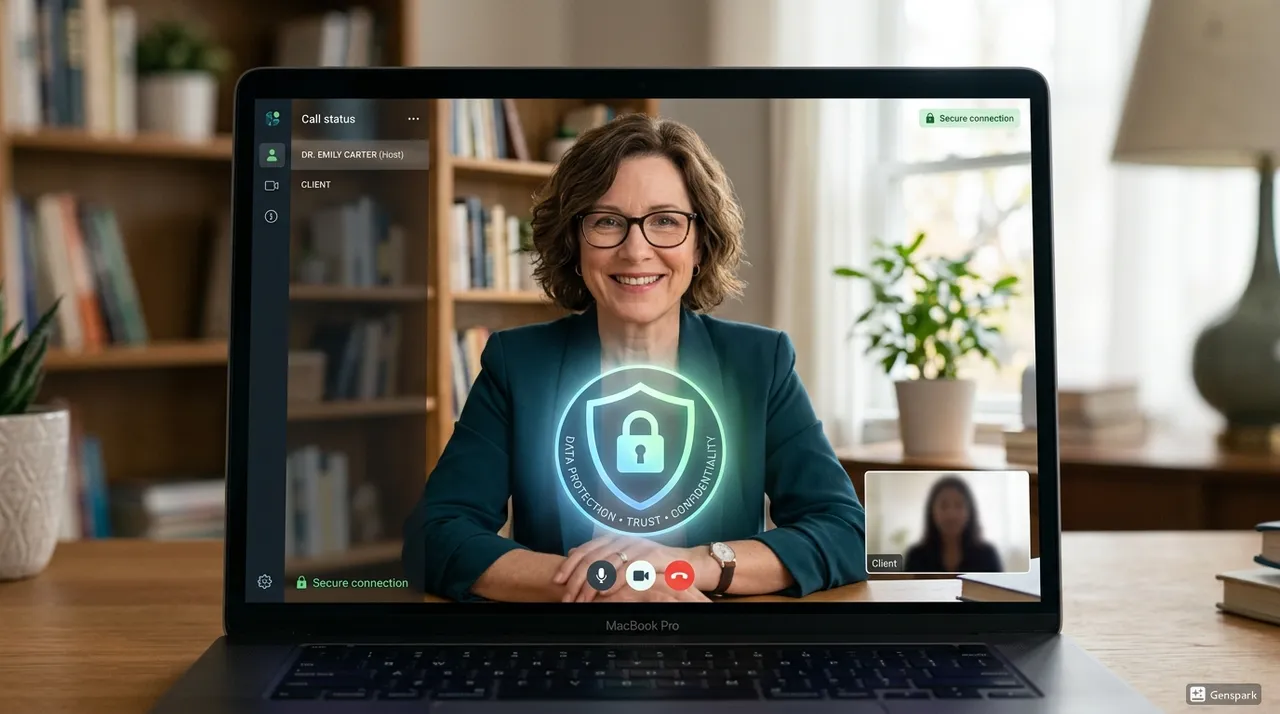
Most confidentiality worries focus on hacking or data breaches, but everyday issues are often more relevant. The biggest weak point is sometimes not the platform - it is the environment around the session.
If you are taking a call from a shared flat, parked car or office meeting room, someone may overhear more than you realise. Notifications can pop up on screen. A family member might walk in mid-session. Even using work devices can be risky if your employer has monitoring software or access controls in place.
There is also the question of communication outside the session. If reminders, invoices or follow-up messages arrive by email or text, think about who can access those devices. Shared tablets, unlocked mobile phones and synced inboxes can quietly reduce your privacy.
None of this means online therapy is unsafe. It means confidentiality is partly clinical and partly practical. A private room, headphones, a secure internet connection and a personal device can make a real difference.
You should not have to guess. A professional therapist or platform ought to be clear about how your information is handled.
Look for straightforward explanations about privacy, record storage and the limits of confidentiality. Check whether the therapist is properly accredited or registered with a recognised professional body. Notice whether the consent process feels careful rather than rushed. If you cannot easily find information about security, complaints, record keeping or emergency procedures, ask.
The way a provider answers matters. You are not being difficult by raising privacy questions. In fact, a good therapist will usually welcome them because informed trust is part of effective care.
You might ask how session notes are stored, what platform is used for video calls, who has access to your records, whether sessions are recorded, and what happens if there is a safeguarding concern. Clear, calm answers are a good sign. Defensive or evasive ones are not.
There is no simple winner. In-person therapy avoids some digital risks, but it introduces others, such as being seen entering a clinic or discussing appointments by phone in public. Online therapy reduces some of that exposure, yet relies more heavily on technology and your home setup.
For many adults, especially those balancing demanding work, family responsibilities or mobility barriers, online therapy offers a level of privacy and convenience that makes support more realistic. The session fits your life more easily, which can mean you actually stick with it. That consistency can be just as important as the format itself.
The real difference is not online versus in person. It is secure and well-managed versus casual and unclear.
If privacy is on your mind, a few small steps can help you feel more in control. Read the provider's privacy information before booking. Use a personal device rather than a work one. Choose a quiet space where you can speak freely. Wear headphones. Turn off smart speakers and notifications. If you are unsure about any part of the process, ask before the session starts.
That preparation does more than protect your information. It helps create the emotional safety needed for honest, useful conversations. When you are not worrying about who might hear you or where your data is going, it is easier to stay present.
Online therapy can be highly confidential when it is delivered by a qualified professional through a secure platform with clear privacy standards. It is not magic, and it is not risk-free, but neither is any form of care. What matters is transparency, good systems and the confidence to ask the questions that protect your wellbeing.
If you are considering support, you do not need to wait until every doubt disappears. You can take the first step by choosing a provider that treats your privacy with the same care as your progress - because feeling safe enough to speak is often where real change begins.