Subscribe to Our Newsletter
To get the latest tips and news to support your well-being journey!
Find the right specialist for youFind a Specialist


You might be ready to open up about burnout, anxiety, relationship strain or something you have not said out loud to anyone yet - and then one question stops you cold: is online therapy confidential? It is a fair concern. When support happens through a screen, privacy can feel less obvious than it does in a quiet therapy room.
The reassuring answer is yes, online therapy is confidential in much the same way as in-person therapy, but confidentiality is not absolute and it depends on the provider, the platform, and the situation. That nuance matters. If you know what to look for, you can choose support with far more confidence and focus on what actually brought you there.
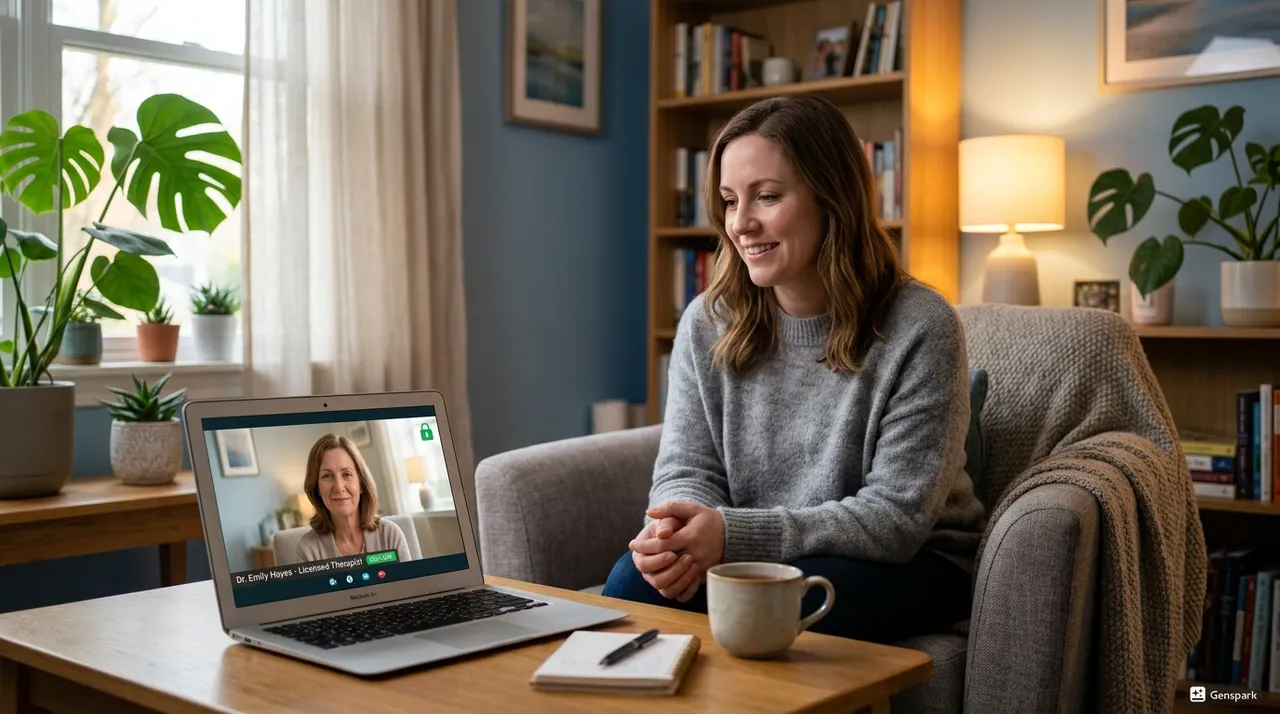
In practice, confidentiality means what you share in therapy is meant to stay between you and your therapist. Notes, session details, personal history and sensitive disclosures should be handled privately and stored securely. Whether your session takes place face to face or by video, the same ethical duty applies.
That said, online therapy adds a digital layer. Your privacy depends not only on your therapist's professional standards, but also on the security of the technology being used. A qualified therapist may be fully committed to confidentiality, yet a poor platform, weak passwords or a lack of privacy at home can still create risks.
This is why the better question is often not simply, "is online therapy confidential?" but "how is confidentiality protected, and where are the limits?" Once you understand those two parts, online support can feel much less uncertain.
If you are working with a legitimate therapist or specialist, confidentiality generally covers the content of your sessions, your contact details, your health or wellbeing information, appointment history, and any written messages or forms shared as part of care. Therapists are also usually careful about how records are stored, who can access them, and how they communicate with you.
For many people, online therapy can actually feel more private than travelling to a clinic. There is no waiting room, no chance encounter in reception, and no need to fit appointments around a public commute. For professionals with packed schedules or anyone worried about stigma, that discretion can make it easier to take the first step.
Still, privacy is strongest when both sides take it seriously. A secure platform helps, but so does having your session somewhere you cannot be overheard.
This is the part every ethical provider should explain clearly. Confidentiality is a core promise, but there are recognised situations where a therapist may need to share information.
Most often, this happens if there is a serious risk of harm to you or someone else, or if there are safeguarding concerns involving a child or vulnerable adult. A therapist may also have to disclose information if required by law or court order. In some settings, limited information may be shared with clinical supervisors to support quality of care, though that should still happen within professional confidentiality standards.
None of this is unique to online therapy. These limits exist in in-person therapy too. The difference online is that providers should explain them in plain language before you begin, usually through an agreement, privacy notice or onboarding process. If those limits are vague, hidden or overly broad, that is worth pausing over.
A trustworthy online therapy service should do more than offer video calls. It should be built to protect sensitive conversations and personal data from the start.
That usually includes encrypted communication, secure account logins, controlled access to records, protected payment systems, and clear privacy policies. Some platforms also separate administrative data from session content, keep audit trails, and give practitioners structured tools for record-keeping rather than relying on scattered emails and consumer messaging apps.
This is where platform choice matters. Not every video tool is designed for confidential care, and not every wellness marketplace handles privacy with the same level of care. If a service makes bold claims about confidentiality but says little about security, that gap is worth noticing.
At SympathiQ, for example, the emphasis on privacy and secure digital care is part of the overall experience rather than an afterthought. That matters when you are sharing personal information and want support to feel both human and well protected.
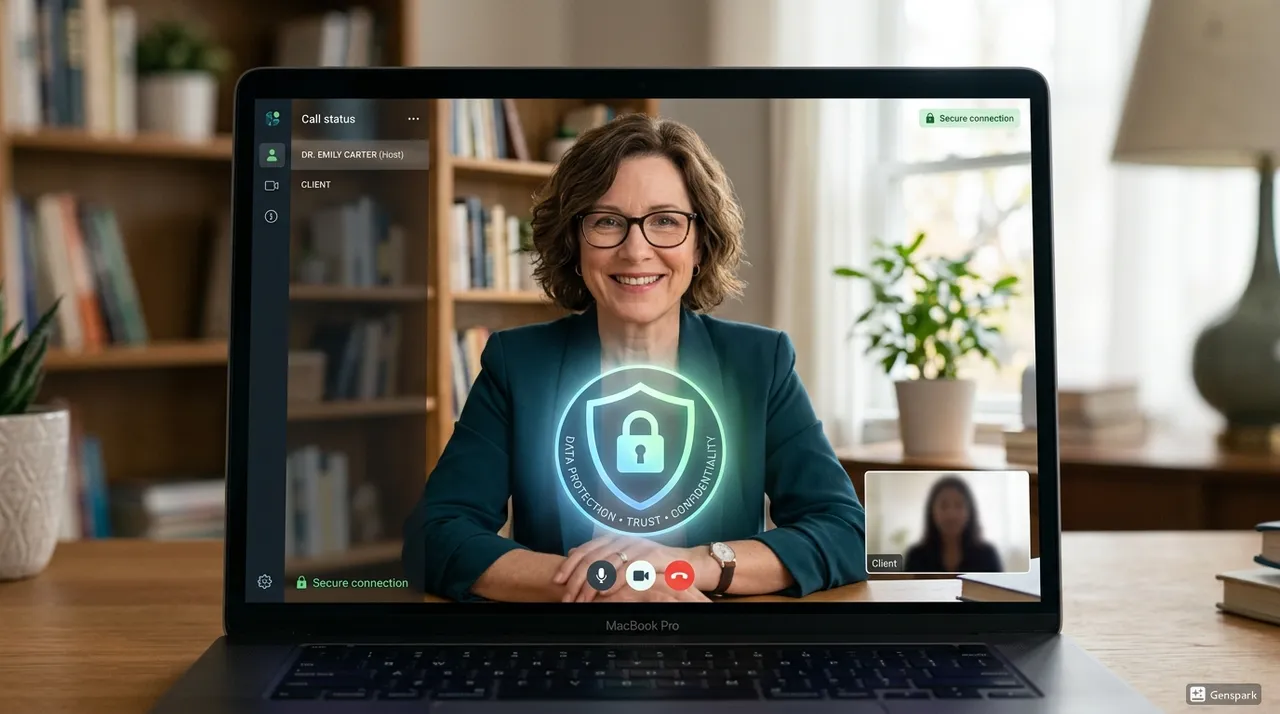
Most confidentiality worries focus on hacking or data breaches, but everyday issues are often more relevant. The biggest weak point is sometimes not the platform - it is the environment around the session.
If you are taking a call from a shared flat, parked car or office meeting room, someone may overhear more than you realise. Notifications can pop up on screen. A family member might walk in mid-session. Even using work devices can be risky if your employer has monitoring software or access controls in place.
There is also the question of communication outside the session. If reminders, invoices or follow-up messages arrive by email or text, think about who can access those devices. Shared tablets, unlocked mobile phones and synced inboxes can quietly reduce your privacy.
None of this means online therapy is unsafe. It means confidentiality is partly clinical and partly practical. A private room, headphones, a secure internet connection and a personal device can make a real difference.
You should not have to guess. A professional therapist or platform ought to be clear about how your information is handled.
Look for straightforward explanations about privacy, record storage and the limits of confidentiality. Check whether the therapist is properly accredited or registered with a recognised professional body. Notice whether the consent process feels careful rather than rushed. If you cannot easily find information about security, complaints, record keeping or emergency procedures, ask.
The way a provider answers matters. You are not being difficult by raising privacy questions. In fact, a good therapist will usually welcome them because informed trust is part of effective care.
You might ask how session notes are stored, what platform is used for video calls, who has access to your records, whether sessions are recorded, and what happens if there is a safeguarding concern. Clear, calm answers are a good sign. Defensive or evasive ones are not.
There is no simple winner. In-person therapy avoids some digital risks, but it introduces others, such as being seen entering a clinic or discussing appointments by phone in public. Online therapy reduces some of that exposure, yet relies more heavily on technology and your home setup.
For many adults, especially those balancing demanding work, family responsibilities or mobility barriers, online therapy offers a level of privacy and convenience that makes support more realistic. The session fits your life more easily, which can mean you actually stick with it. That consistency can be just as important as the format itself.
The real difference is not online versus in person. It is secure and well-managed versus casual and unclear.
If privacy is on your mind, a few small steps can help you feel more in control. Read the provider's privacy information before booking. Use a personal device rather than a work one. Choose a quiet space where you can speak freely. Wear headphones. Turn off smart speakers and notifications. If you are unsure about any part of the process, ask before the session starts.
That preparation does more than protect your information. It helps create the emotional safety needed for honest, useful conversations. When you are not worrying about who might hear you or where your data is going, it is easier to stay present.
Online therapy can be highly confidential when it is delivered by a qualified professional through a secure platform with clear privacy standards. It is not magic, and it is not risk-free, but neither is any form of care. What matters is transparency, good systems and the confidence to ask the questions that protect your wellbeing.
If you are considering support, you do not need to wait until every doubt disappears. You can take the first step by choosing a provider that treats your privacy with the same care as your progress - because feeling safe enough to speak is often where real change begins.

Your email address will not be published. Required fields are marked *