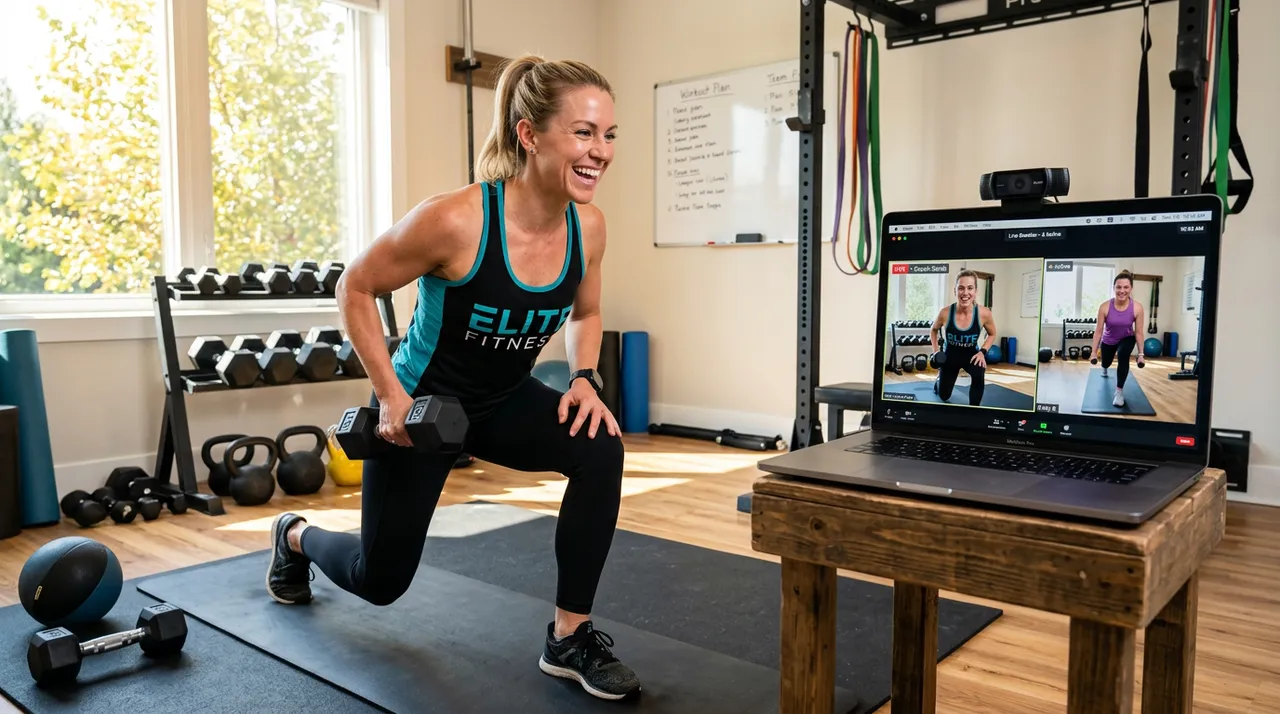
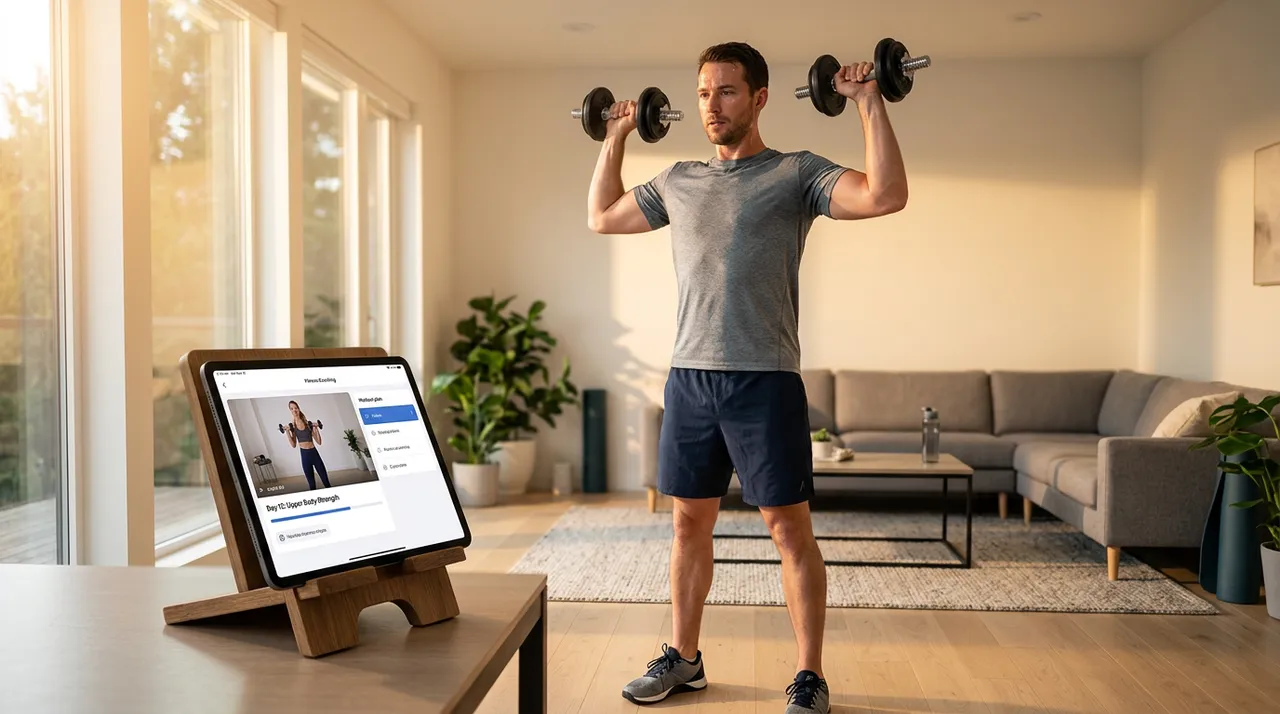
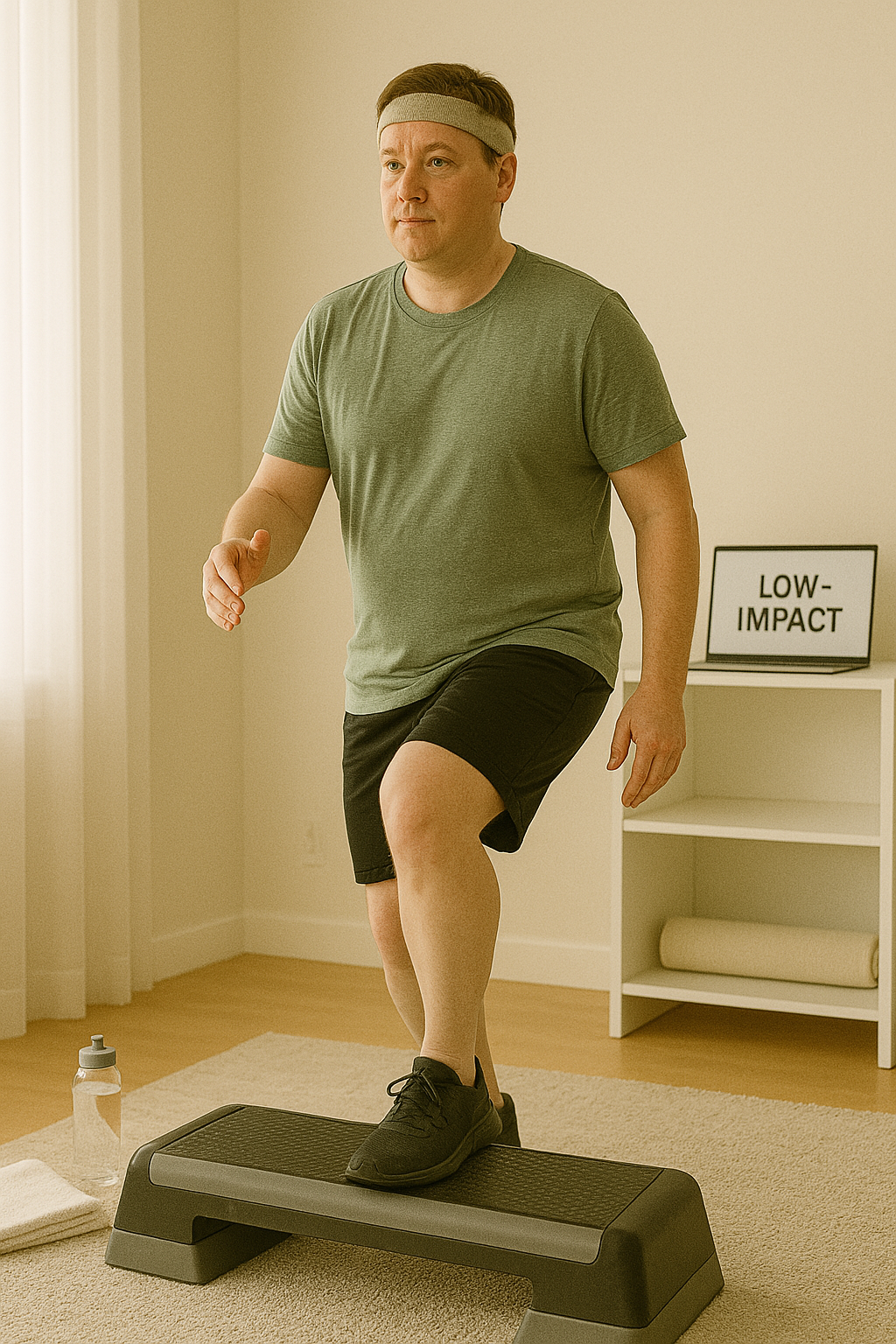
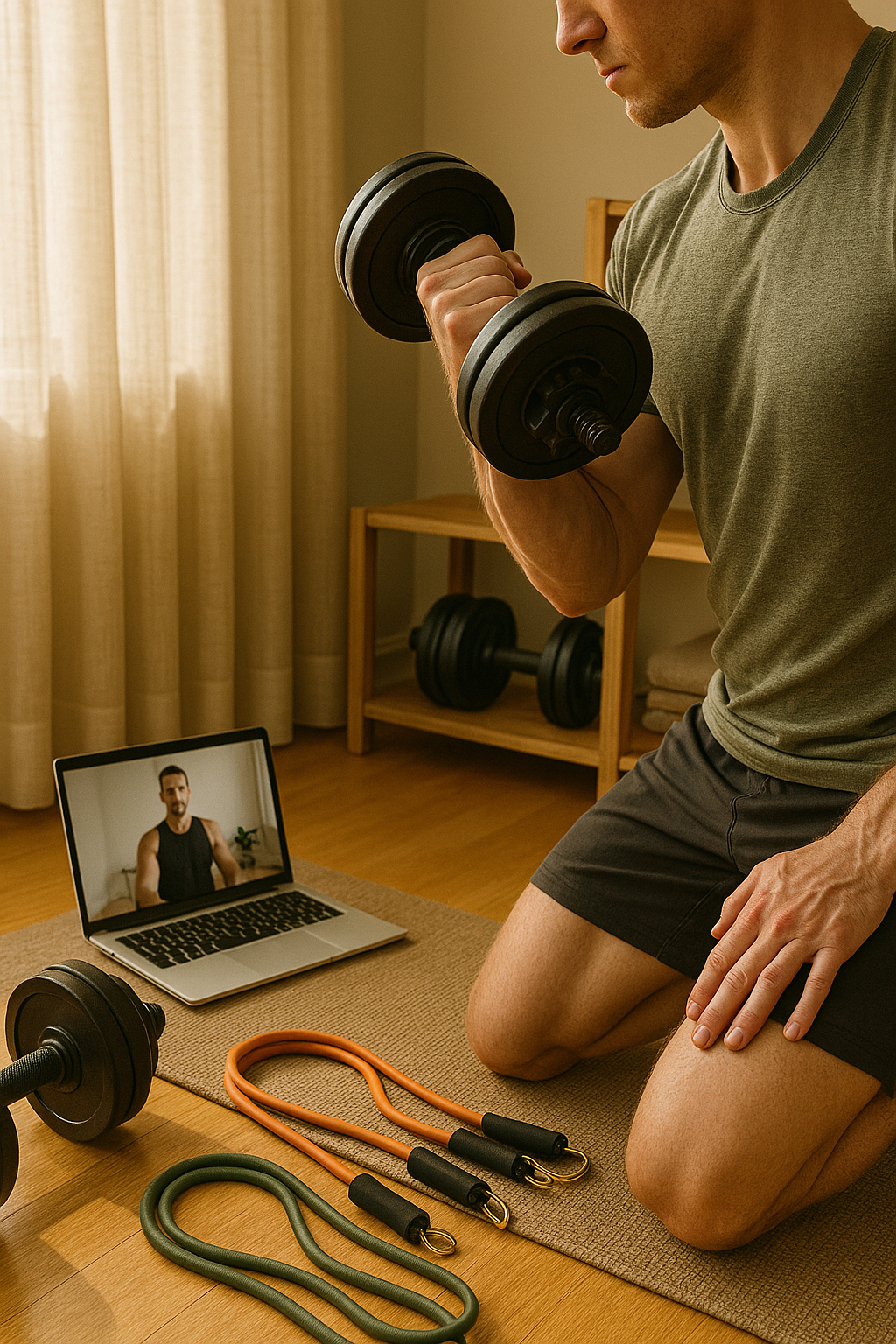
You do not need another abandoned workout plan sitting in your notes app. What most people need is structure, encouragement, and someone who notices when motivation drops off after a long week. That is why so many people now ask, are virtual fitness coaches effective, or are they just a polished version of generic online workouts?
The honest answer is yes, they can be highly effective - but not for every person, every goal, or every coaching model. Results depend less on whether coaching happens through a screen and more on whether the support is personalised, consistent, and realistic for your life.
Are virtual fitness coaches effective for real-life goals?
For many adults, virtual coaching works well because it solves the biggest barrier to consistency: fitting support into everyday life. If you are balancing work, caring responsibilities, commuting, stress, or fluctuating energy, an in-person training schedule can feel like one more demand. Virtual coaching removes some of that friction.
A good coach can review your goals, build a plan around your current fitness level, check your progress, adjust sessions when life gets messy, and keep you accountable. That matters more than whether you are in the same room. For someone trying to improve strength, rebuild routine, increase activity, or regain confidence after burnout, virtual support can feel more sustainable than a rigid gym-based model.
It also helps that online coaching often gives you access to specialists you might not find locally. If you want support that considers stress, sleep, energy, confidence, or nutrition alongside exercise, a virtual setting can open up far more choice.
What makes virtual coaching work
The best virtual fitness coaching is not just a PDF plan sent once and forgotten. It is an ongoing relationship with feedback, adaptation, and clear direction.
Personalisation is usually the first difference-maker. A coach who asks about your schedule, injuries, energy levels, exercise history, and wider wellbeing is far more likely to create something you can actually stick to. That could mean shorter sessions during busy periods, lower-impact training if you are dealing with pain, or gentler progression if confidence is low.
Accountability is the second. Many people know what to do in theory. The problem is doing it consistently when work runs late, sleep has been poor, or motivation disappears. A virtual coach can help by checking in regularly, tracking progress, and keeping your goals visible without turning the process into guilt or pressure.
The third is adaptability. Real life changes. A useful coach responds to that. If you miss sessions, struggle with a plan, or realise your original goal no longer fits, coaching should shift with you. That flexibility is one reason virtual support can be effective for people who have previously fallen out of rigid programmes.
Where virtual fitness coaches can fall short
Virtual coaching is not magic, and it has limits.
The biggest one is form correction. Some coaches use video reviews or live sessions well, but there is still a difference between remote feedback and having someone physically present. If you are brand new to resistance training, returning after injury, or lifting heavy with complex movements, in-person support may be safer or more reassuring at first.
There is also a big quality gap in the market. Some so-called coaches offer little more than automated plans, delayed replies, and vague encouragement. That is not coaching. It is content delivery dressed up as support. If the service is generic, the outcome often is too.
Personality fit matters as well. Some people thrive with digital communication and independent workouts. Others need the energy of face-to-face sessions or find it hard to stay engaged without a physical appointment to attend. Virtual coaching can be effective, but only if the format suits how you stay motivated.
Are virtual fitness coaches effective compared with in-person trainers?
This is where the answer becomes more nuanced. Virtual coaching is not automatically better or worse. It is better for some needs and weaker for others.
If your main challenge is consistency, routine, confidence, or finding a plan that fits around a busy life, virtual coaching can be just as effective as in-person support, and sometimes more effective because it is easier to maintain. A brilliant programme that you can actually follow beats a perfect one that you cannot keep up with.
If your priority is hands-on technique correction, sport-specific performance, or rehabilitation that requires close physical supervision, in-person training may be the stronger option. Some people also simply find physical presence more motivating.
For many, the ideal approach is not either-or. It is a blended model. You might use virtual coaching for structure, planning, progress tracking, and regular support, while adding occasional in-person sessions for movement checks or confidence with new exercises.
Who tends to get the best results?
Virtual coaching often works especially well for working professionals, parents, frequent travellers, and people rebuilding healthy habits after long periods of stress. If your life is full, flexibility is not a luxury. It is what makes support possible.
It can also be a strong option for those who feel intimidated by gym culture. Training at home or in a quieter environment can make it easier to begin, especially if you have lost confidence, gained weight, or feel self-conscious starting again.
People with holistic goals often benefit too. Fitness does not exist in isolation. Low energy, burnout, poor sleep, emotional eating, and inconsistent routines all affect progress. A coach who understands the wider picture can help you make changes that last, rather than chasing short bursts of motivation.
Signs a virtual coach is likely to help
The strongest coaches do more than prescribe workouts. They help you build a realistic path forward.
Look for someone who starts with assessment rather than assumption. They should ask about your goals, constraints, health background, confidence level, and preferred style of support. They should explain how check-ins work, how progress is measured, and what happens if your circumstances change.
It is also a good sign when a coach talks about recovery, sleep, stress, and habit-building alongside exercise. That does not make the process less results-focused. It usually makes it more effective, because your body and mind are not separate projects.
Platforms such as SympathiQ reflect this wider view of wellbeing, connecting people with support that can fit around both physical goals and the pressures affecting them behind the scenes.
Red flags to watch for
If a coach promises dramatic transformation in a very short time, be cautious. If every client receives the same plan, be cautious. If communication is vague, slow, or missing before you even start, expect that to continue.
Another warning sign is a coach who ignores your lifestyle. Fitness support should challenge you, but it should still fit into your actual week. A plan that assumes endless time, perfect sleep, and constant motivation is not ambitious. It is out of touch.
Be wary too of coaching that relies heavily on shame. Accountability should feel supportive and clear, not punitive. Lasting progress usually comes from trust, not fear of disappointing someone.
How to make virtual coaching more effective for you
Even the best coach cannot do the work on your behalf. The relationship works best when expectations are clear on both sides.
Start with an honest goal. Not the one that sounds impressive, but the one that matters. That might be exercising three times a week without burning out, getting stronger, improving energy, or feeling more comfortable in your body again. Clarity gives your coach something useful to build around.
It also helps to be honest about obstacles. If mornings are unrealistic, say so. If you struggle with all-or-nothing thinking, mention it. If your work schedule changes weekly, your plan needs to reflect that from the beginning.
Finally, give the process enough time. Effective coaching is rarely about one perfect week. It is about what happens across ordinary, imperfect months. Progress may look like better adherence, steadier energy, more confidence, improved strength, or less stop-start behaviour - not just aesthetic change.
So, are virtual fitness coaches effective?
Yes, often very much so. When coaching is personalised, responsive, and built around real life, virtual support can help people create meaningful fitness progress without adding more strain to an already busy life.
What matters most is not whether your coach stands beside you in a gym. It is whether they understand your goals, support your consistency, and help you move forward in a way that feels sustainable. The right support should meet you where you are, then help you take the next step with confidence.
Starting exercise often sounds easy right up until real life gets involved. One week you feel motivated, the next you are sore, short on time, and quietly wondering whether you are doing any of it properly. That is exactly where a fitness coach for beginners can make a real difference - not by shouting louder than your inner critic, but by giving you structure, clarity and support that actually fits your life.
For many people, the hardest part is not movement itself. It is the uncertainty around where to begin, how much is enough, what counts as progress, and whether you need to overhaul everything at once. A good coach removes that fog. Instead of handing you a punishing plan designed for someone else, they help you build a starting point that feels manageable and sustainable.
What a fitness coach for beginners actually does
If you have never worked with a coach before, it helps to strip away the stereotypes. This is not necessarily someone barking instructions through a headset or demanding six sessions a week. At the beginner level, coaching is often much more practical and reassuring than that.
A coach helps you understand your current baseline, your goals and the obstacles that tend to get in the way. That might mean creating a simple weekly routine, teaching correct form for a few foundational exercises, checking in on your confidence, or adjusting the plan when work stress, low energy or family commitments change your week.
The value is not only in the exercises themselves. It is in the interpretation. Beginners often struggle because they cannot tell the difference between challenge and overdoing it, or between a slow start and a failed attempt. A coach gives context. They can show you that consistency matters more than intensity when you are building a new habit, and that progress is often quieter than people expect.
Why beginners often quit without support
There is a reason so many fitness plans fall apart after a promising start. Most beginners do not lack discipline as much as they lack a realistic system.
When you are new, it is easy to copy routines from people with very different bodies, schedules and experience levels. That usually leads to one of two outcomes. Either the plan is too hard and you stop, or it is so vague that you never quite begin. Coaching helps close that gap by turning good intentions into something specific.
There is also the emotional side. Starting fitness can bring up self-consciousness, frustration and comparison. If you already feel burnt out or stretched thin, a harsh approach can make things worse. Supportive coaching works better because it meets you where you are. It gives you permission to start small without treating small as meaningless.
The best beginner coaching focuses on behaviour first
Many people look for a coach because they want visible results - more strength, improved fitness, weight loss, better energy, or a healthier routine. Those are valid goals. But for beginners, the first win is usually behavioural.
Can you move regularly without dreading it? Can you fit exercise into a busy week? Can you recover well enough to come back again? Can you build trust in your own ability to follow through? These questions matter because they shape what happens after the first burst of motivation fades.
A strong coach understands this. They are not just prescribing workouts. They are helping you create repeatable patterns. That might mean three short sessions instead of five long ones, walking on stressful days instead of skipping movement entirely, or learning how to restart without guilt after a disrupted week.
This is one reason holistic support matters. Physical goals do not exist in isolation. Sleep, stress, mood and work pressure all influence your ability to stay consistent. That is why platforms such as SympathiQ can feel especially useful for people who want support that sees the bigger picture, rather than treating fitness as a stand-alone task.
How to tell if a fitness coach for beginners is right for you
Not everyone needs coaching forever, and not every beginner needs the same kind of help. Some people mainly need accountability. Others need education, reassurance or a plan tailored around a health condition, low confidence or a stop-start history with exercise.
You are likely to benefit from coaching if you keep delaying the start because you feel overwhelmed, if you have tried generic programmes and lost momentum, or if you want expert guidance without the pressure of figuring everything out alone. It can also be helpful if you are returning to movement after stress, burnout or a long gap. In those moments, confidence tends to matter as much as fitness itself.
That said, the fit matters. A brilliant coach for an experienced gym-goer may be completely wrong for a beginner. You want someone who can explain things clearly, adapt to your pace and treat your starting point with respect. If their method relies on shame, extremes or all-or-nothing thinking, keep looking.
What to look for in a beginner fitness coach
The right coach should make the process feel clearer, not more intimidating. Credentials matter, but communication matters just as much. You need someone who can translate knowledge into action you can actually take.
Look for a coach who asks thoughtful questions before building a plan. They should want to know about your goals, current activity level, schedule, energy, preferences and any injuries or concerns. If they hand you a rigid programme before understanding your life, that is a warning sign.
It also helps to notice how they talk about progress. Good beginner coaching is specific and encouraging. It focuses on building skills and habits, not chasing punishment or perfection. You should leave sessions feeling supported and stretched in a healthy way, not defeated.
Online coaching can work especially well here because it adds flexibility. For busy adults, being able to book sessions around work and home life often makes the difference between a plan that sounds good and one that actually happens.
What your first few weeks may look like
One of the biggest misconceptions about coaching is that you need to be ready for a dramatic transformation from day one. In reality, a thoughtful start is often much quieter.
Your first weeks may focus on simple movement patterns, short sessions and learning how your body responds. You might work on walking, bodyweight exercises, basic strength training or mobility. You may also discuss recovery, confidence, routine and what tends to throw you off track.
This can feel almost too simple if you are used to dramatic before-and-after messaging. But simple is often what works. Beginners usually do better with an approach they can repeat than with one that leaves them exhausted after four days.
There will be trade-offs. If your main goal is speed, a slower build may test your patience. If your schedule changes constantly, your plan may need more flexibility and less precision. That does not mean the process is weak. It means it is designed to last.
Progress is not always obvious at first
One reason people give up early is that they expect progress to look immediate and visible. Sometimes it does. Often, especially at the beginning, it shows up in quieter ways.
You may notice that stairs feel easier, your posture improves, your mood lifts after movement, or you recover faster from a busy week. You may feel less intimidated by exercise and more certain about what to do when you walk into a gym or start a session at home. These shifts matter because they create momentum.
A coach helps you recognise those markers, which is more important than it sounds. When you can see progress clearly, you are less likely to mistake a normal plateau for failure.
The best starting point is the one you can keep
There is no prize for choosing the hardest possible version of getting fit. For beginners, the most effective plan is usually the one that respects your current capacity while still moving you forward.
That may mean two sessions a week. It may mean starting at home before joining a gym. It may mean combining fitness support with help for stress, routine or confidence. The path will not look identical for everyone, and that is a strength, not a weakness.
If you have been waiting to feel fully ready, consider this your reminder that readiness is often built through action, not before it. The right support will not ask you to become a different person overnight. It will help you take the first step in a way that feels safe enough to repeat.
Trying to exercise when your calendar is already full often ends the same way - a burst of motivation, a week of effort, then silence. That is exactly where an online fitness coach can make a real difference. Instead of asking you to reshape your life around a rigid programme, the right coach helps you build a plan that fits your routine, your energy, and your goals.
For many adults, fitness is not really the problem. The problem is consistency. You may know that movement matters, but between work, family responsibilities, stress and poor sleep, even simple routines can feel hard to maintain. Support changes that. Not because someone is standing over you, but because you have a clear structure, expert guidance and a person who understands what progress actually looks like in real life.
What an online fitness coach actually does
An online fitness coach is more than a digital version of a personal trainer. Yes, they may create workouts and help you improve strength, mobility, endurance or body composition. But the better ones also look at the wider picture - how you recover, how stress affects your energy, what barriers keep interrupting your momentum, and what kind of accountability will genuinely help.
That matters because fitness rarely sits in isolation. If you are feeling burnt out, your training capacity changes. If your sleep is poor, recovery slows down. If your confidence is low, even starting can feel exposing. A thoughtful coach works with those realities rather than pretending they do not exist.
For some people, online coaching is about performance and progression. For others, it is about rebuilding trust in their body after a difficult period, creating healthier routines, or finding a sustainable way to move after months or years of stop-start effort. Both are valid. The role of the coach is to meet you where you are and help you move forward with clarity.
Why online fitness coaching suits busy lives
Traditional fitness support can be helpful, but it often comes with friction. Travel time, fixed session slots, limited choice in your local area and the pressure of fitting everything into one location can make it harder to stay engaged. Online coaching removes much of that strain.
You can train at home, in a gym, outdoors or while travelling. You can check in around your work schedule rather than losing half a day to commuting. You can choose someone based on their approach and expertise, not just postcode. That flexibility is not a small perk - for many people, it is the difference between keeping going and giving up.
There is also a privacy element that matters more than people sometimes admit. Starting a fitness journey can feel vulnerable, especially if you are returning after burnout, injury, illness or a long period of inactivity. Online support can create a calmer entry point. You still receive personalised care, but in a way that feels more manageable and discreet.
The real benefits of working with an online fitness coach
The biggest benefit is not simply having workouts sent to your mobile phone. It is having a plan that reflects your current capacity instead of an idealised version of you. That makes consistency far more likely.
A good coach helps you set goals that are specific enough to guide action but flexible enough to survive real life. If your week becomes chaotic, they can adjust. If you are progressing quickly, they can build on that. If your motivation dips, they can help you spot whether the issue is discipline, exhaustion, unrealistic expectations or a programme that is no longer working for you.
That level of personalisation can protect you from two common mistakes. The first is doing too little because you are unsure where to begin. The second is doing too much too soon because you are trying to make up for lost time. Both can keep you stuck.
An online fitness coach can also improve your confidence. When someone explains why you are doing certain exercises, how to pace yourself and what kind of progress is realistic, fitness starts to feel less confusing. You are not just following instructions - you are learning how to understand your own body and habits.
How to tell if an online fitness coach is right for you
Not everyone needs coaching forever. Some people need a short period of structure to build momentum, while others benefit from longer-term accountability. The key question is not whether coaching is trendy or convenient. It is whether you would do better with support than without it.
If you regularly start strong and then lose direction, coaching may help. If you are overwhelmed by conflicting advice online, coaching may help. If you have a clear goal but struggle to turn it into a practical routine, coaching may help. And if you are dealing with stress, low energy or burnout, having a coach who understands how to scale effort sensibly can be especially valuable.
That said, it depends on what you want. If you simply need a free beginner plan and enjoy figuring things out independently, you may not need one-to-one support yet. But if you want a tailored path, feedback, accountability and a more human experience, coaching often becomes far more effective than trying to piece everything together on your own.
What to look for in an online fitness coach
Credentials matter, but so does communication. A coach can have technical knowledge and still be a poor fit if their style is too rigid, too generic or disconnected from your life. You want someone who listens well, asks thoughtful questions and adapts rather than forcing you into a fixed model.
Look for a coach who is clear about their process. How do they assess your starting point? How often do they check in? What kind of support is included between sessions? Do they tailor plans around equipment, time constraints and injuries? Good coaching should feel structured, but never impersonal.
It is also worth paying attention to philosophy. Some coaches focus heavily on aesthetics, others on performance, and others on long-term health and behaviour change. None is automatically wrong, but alignment matters. If your goal is to feel stronger and more balanced, a coach who only talks about drastic transformations may not be the right match.
Because wellness is interconnected, many people benefit from support that recognises more than sets and reps. If your stress levels, sleep, nutrition or mindset are affecting your fitness, a more holistic model can be especially helpful. That is one reason platforms such as SympathiQ can feel more supportive - they make it easier to find care that reflects the bigger picture, not just one isolated goal.
Online fitness coach support and accountability
Accountability is often misunderstood. It is not about pressure or guilt. The most effective accountability feels steady, honest and encouraging. It helps you stay engaged without making you feel judged when life gets messy.
A strong coach will help you recognise patterns. Maybe you skip exercise when work becomes intense. Maybe you set goals that are too ambitious for your current energy. Maybe all-or-nothing thinking is keeping you trapped between overtraining and doing nothing. Once those patterns are visible, they can be changed.
This is where online coaching can be surprisingly powerful. Regular messages, progress reviews and small adjustments create continuity. You do not need to wait for a weekly in-person slot to ask a question or get back on track. That ongoing connection can make fitness feel like part of your life, rather than a separate project you keep failing to maintain.
Common concerns before you start
One of the biggest worries is whether online coaching can really feel personal. It can, provided the coach takes time to understand you and offers meaningful feedback rather than automated check-ins. Another concern is cost. While coaching is an investment, online formats are often more flexible and accessible than traditional personal training.
Some people also worry that they are not fit enough to begin. In practice, that is often the strongest reason to seek guidance. You do not need to be advanced to work with a coach. You need to be willing to start honestly.
There is also the question of results. No coach can promise a perfectly straight line of progress, because life is not linear. But the right support can help you build momentum, recover from setbacks faster and make choices that are actually sustainable.
If fitness has started to feel like another thing you are failing to keep up with, that feeling can change. The right online fitness coach does not add pressure for the sake of it. They help you create a routine that supports your body, respects your reality and gives you a clearer path forward. Sometimes the first real shift is not doing more. It is finally getting the kind of support that makes progress feel possible.
Join the Leading Personal Trainer & Fitness Coach Directory UK – Get More PT Clients
Introduction – Why the Modern UK Personal Trainer Needs More Than Word-of-Mouth 💪
You already know the thrill of guiding a client through their first unassisted pull-up or shaving seconds off a 5K PB. Still, there’s a more formidable challenge behind the scenes: keeping a steady stream of fresh, committed clients walking through the gym doors—or logging into Zoom—week after week. Relying purely on local flyers, sporadic Instagram Reels, and a prayer that referrals never dry up is a risky fitness business plan. The reality is simple:
Search behaviour has shifted online.
Consumers expect effortless booking journeys.
The UK fitness scene has never been more crowded.
So, if you’re asking how to attract more PT clients in the UK without burning out on admin or ad spend, this guide outlines a proven route: partner with SympathiQ’s online fitness coach platform in the UK. Below, we walk you through every feature and actionable tactic that transforms our UK fitness coach directoryinto a full-scale growth engine for personal trainers.
Why Traditional Personal Trainer Marketing UK Isn’t Enough 🏃♂️
Marketing Plateau #1 – Local Cages
Leaflets pinned on the community noticeboard work… for the 5 % who stop to read them. Meanwhile, thousands of motivated trainees are Googling “personal trainer near me” on their commute.
Marketing Plateau #2 – Algorithm Anxiety
Building a TikTok following can be lucrative—until a single update reduces video reach by 60%. We’ve seen brilliant coaches spend weeks scripting content only to watch engagement plummet overnight.
Marketing Plateau #3 – Admin Avalanche
Crafting programmes, refining nutrition plans, and delivering high-energy sessions is what you love—chasing late invoices, updating spreadsheets, and rescheduling cancellations? Not so much.
SympathiQ addresses each plateau in three ways:
Centralised discovery: Prospective clients arrive on a platform built entirely around coaching, not endless cat videos or dance trends.
Predictable visibility: Directory listings and SEO-optimised coach pages keep you findable regardless of social media whims.
Automated workflows, including integrated payments, calendar sync, and reminder systems, free up hours every week.
Your profile is more than a digital résumé. It’s a living storefront with built-in SEO signals. Spend 20 minutes on:
Professional headshot: Natural light, neutral background.
Bio hook: 160 characters that answer “Why train with you?” (e.g., “Ex-Royal Marines PT specialising in busy-parent HIIT.”)
Speciality tags: Pre/postnatal, strength & conditioning, kettlebells, corrective exercise—tags feed the search filters clients use hourly.
Social proof widgets: Import Instagram transformations or Trustpilot reviews in one click.
2. Get Listed in the Directory 🌍
Once your profile is live, our crawler indexes it inside the Fitness Coach Directory UK—effectively the Google Maps of British personal training. Potential clients browse by postcode, training goal, or budget; your name shows alongside a booking button.
3. Match & Message
SympathiQ’s lead-scoring algorithm evaluates intent signals (search terms, time on profile, questionnaire answers) and suggests the highest-quality prospects. When a hot lead pops up, you receive:
A push notification
Their training goals, available times, and completion likelihood score
A direct-message link or “Book Intro Call” calendar slot
Video intro calls can launch instantly via embedded Zoom or Google Meet—it’s like having a pop-up consultation booth in your pocket.
4. Automated Admin
Hook up Google Calendar, Stripe, and Zoom once; SympathiQ choreographs the rest:
Session confirmations with iCal attachments
Automated follow-ups 24 hours after a workout to spur review requests
Recurring invoices for monthly memberships (reducing late payments by 73 % on average)
Progress-tracking sheets are auto-emailed every fortnight so clients see tangible wins.
Seven Actionable Ways to Get More PT Clients with SympathiQ 🔥
1. Polish Your Visual First Impression 📸
High-resolution images attract clicks, but composition matters. Use the “rule of thirds” to frame yourself demonstrating signature moves. Add a gentle vignette to focus attention on posture cues.
2. Offer a 30-Minute Taster Session
SympathiQ’s built-in coupon engine lets you generate a one-off “Movement Screen + Goal-Setting Call.” Trainers who deploy tasters report conversion rates jumping from 18% to 42%.
3. Publish Mini-Workouts & Lead Magnets
Embed 15-minute home circuits or PDFs titled “5 Foam-Rolling Fixes for Tight Hips.” Example: link to your SympathiQ Coach Platform calendar inside each doc to catch impulse bookings.
4. Collect & Display Reviews ⭐
A line-of-sight testimonial beside your pricing table is more persuasive than a dedicated reviews tab. Enable the automated “Ask for Feedback” toggle—45 % of clients who receive the prompt submit a star rating within 24 hours.
5. Leverage Referral Codes 🤝
Issue referral codes that grant both parties a 10 % discount on next month’s package. Data shows a single enthusiastic client can snowball into three new sign-ups within six weeks.
6. Partner with Complementary Businesses
Inside the dashboard, you’ll find a “Partner Marketplace” featuring physios, nutritionists, and wellness retreats (yes, even mountain getaways like Cucu Zen!) Cross-redeem vouchers to showcase to your clients that you are the hub for holistic wellness.
7. Track the Data That Matters 📈
Forget “likes” and “follows.” Instead, monitor:
Lead-to-Client Conversion Rate – Reveals funnel leaks, displayed as a real-time dashboard graph within SympathiQ.
Average Revenue per Client – Gauges upsell success; delivered in an easy-to-digest monthly report email.
Session Adherence – Measures how “sticky” your clients are; visualised through a colour-coded calendar heatmap.
Armed with these numbers, you’ll know whether to tweak pricing, add semi-private groups, or run flash sales.
Success Stories from UK Personal Trainers 🏆
Ellie S., London – Pre/Postnatal Specialist “I started with three local clients. After optimising my SympathiQ profile, the platform matched me with eight expecting mums within a fortnight. My income tripled, and five-star reviews keep a constant flow of new enquiries.”
Dan M., Manchester – Strength & Conditioning Coach “January used to be feast-or-famine. The directory listing catapulted me onto page one for ‘personal trainer Manchester city centre’. Ten new sign-ups later, I’m now fully booked until May.”
Roshni P., Birmingham – Online Weight-Loss Coach “I was nervous about video-only clients. SympathiQ’s progress-tracking templates helped me prove value early. Retention jumped from 60 % to 90 %—and I hit my first £10k month.”
Frequently Asked Questions ❓
What does listing on SympathiQ cost?
You get a 14-day free trial. After that, plans start at a very affordable monthly price, including unlimited leads and zero commission on sessions.
Do I need special insurance?
Yes. Standard public liability (minimum £5m) and professional indemnity are essential. Check reputable providers on theNational Register of Personal Trainers for UK-specific cover.
Can I offer hybrid coaching (a combination of face-to-face and online sessions)?
Absolutely. Many trainers use SympathiQ booking for in-gym slots at PureGym or The Gym Group while conducting remote nutrition check-ins.
How does cancellation protection work?
Enable the “24-hour lock-in” setting, and clients who cancel inside that window are charged a pre-agreed percentage. Funds are automatically deposited into your Stripe account.
What happens if I pause my subscription?
Your profile becomes hidden, but all data (programmes, client chat logs, assessments) remains secure for 90 days. Reactivate anytime—it’s perfect for holiday breaks.
Personal Trainer Marketing Tips Beyond the Platform 🗺️
Align Programmes with UK Activity Guidelines Study the latest GOV.UK physical activity guidelines use similar terminology (“moderate-to-vigorous”, “muscle-strengthening”) throughout your profile for consistency and SEO synergy.
Invest in CPD That Sells Courses in menopause-specific training or youth athletic development fill gaps in the evergreen market. Our post “Choosing Specialisms That Sell” details five lucrative niches.
Network at UKActive Live The annualukactive conference blends education sessions with exhibitor halls—ideal for meeting software, equipment, and insurance providers.
Bundle Coaching with Wearable Tech SympathiQ integrates Apple Health and Garmin Connect. Offering data-driven feedback ups perceived value and justifies premium pricing.
Segment Your Email List by Goal Export contacts into “fat-loss”, “strength”, and “rehab” clusters. Weekly mini-tips tailored to each segment keep you top of mind and boost re-engagement.
Collaborate with Micro-Influencers Instead of chasing celebrities, team up with local food bloggers or physiotherapists who command niche but loyal followings. Swap a free programme review for a story highlight—low cost, high credibility.
Conclusion – Ready to Grow Your Personal Training Business? 🚀
The coach who combines passion with innovative systems wins the long game. SympathiQ offers those systems: a discoverability powerhouse, an admin assassin, and a client-retention toolkit that’s refreshingly easy to master. Whether you coach kettlebells in Kensington or body-weight boot camps via Zoom, our UK fitness coach directoryaccelerates every step from “curious browser” to “paying client.
Boost Your Fitness Coaching Business with SympathiQ 🏆
Join the Premier Fitness Coach Directory in the UK 🌍
Are you a passionate fitness coach looking to advance your career? You've come to the perfect place if you're eager to attract more clients, elevate your brand, and transform your personal training business. SympathiQ is the premier online fitness coach platform, specially designed to help fitness professionals like you thrive. 🚀
Being a successful fitness coach means more than having the skills to train effectively. You need a strong online presence, strategic personal trainer marketing in the UK 📈, and an efficient client acquisition and retention system. With competition rising, fitness professionals must differentiate themselves clearly and effectively. ✨
In this blog, you'll discover how joining the SympathiQ fitness coach directory UK can drastically enhance your visibility, streamline client management, and ultimately help you achieve sustainable business growth. 📊
Why Fitness Coaches Choose SympathiQ 👍
In today’s digital-first world, clients turn to the internet to find fitness services. SympathiQ ensures your profile appears in front of qualified leads actively seeking fitness coaching, eliminating guesswork from your marketing efforts. 🎯
Grow Your Personal Training Business 📈
SympathiQ is dedicated to helping you scale your fitness coaching business effortlessly. Our platform allows:
Automated Bookings 🤖: Clients can easily schedule sessions directly through your SympathiQ profile, eliminating the hassle of back-and-forth emails and putting you in control of your schedule.
Secure Payments 💳: Integrated payment processing ensures you get paid on time, every time.
Client Management 🗂️: Capture session notes, track progress, and follow up in one place.
According to a recent report, the UK online fitness market is booming, expected to surpass £1.5 billion by 2025. Now is the time to stake your claim. 🏅
Effective Personal Trainer Marketing UK 📣
Your success hinges on visibility. SympathiQ provides:
SEO-Optimized Profiles 🔍: Appear in top search results when clients search for “fitness coach UK.”
Promoted Listings 🚀: Gain priority placement within category pages.
Content Tools ✍️: Share blogs, videos, and tips directly on your profile to engage prospects.
Explore expert guidance from theChartered Institute of Marketing for deeper marketing strategies or download their free whitepaper on digital marketing trends. 📘
Use a high-resolution headshot and action photos demonstrating your coaching style. 📷
Craft a clear, benefits-focused bio: mention specialties like weight loss, strength training, or rehabilitation. 💡
Showcase certifications and client testimonials prominently. 🏅
Leverage SympathiQ’s SEO Power 🚀
Keywords like “fitness coach,” “online fitness coach platform UK,” and “grow personal training business UK” should appear naturally throughout your profile. SympathiQ automatically applies SEO best practices, but you can amplify results by linking to reputable sites likeNHS Live Well – Exercise when discussing evidence-based guidelines. 📚
Engage Directly with Potential Clients 💬
Use SympathiQ’s built-in messaging to:
Respond quickly to inquiries, aiming for under 2 hours per HubSpot research on response times. ⏱️
Offer downloadable resources such as workout plans or nutrition guides. 📥
Host free virtual Q&A sessions to demonstrate expertise and build rapport. 🎥
Post 3–5 times weekly with varied content: workouts, nutrition tips, client shoutouts. 🗓️
Use Instagram Stories for daily updates and polls. 📊
Leverage Facebook Groups to foster discussions. 👥
Repurpose blog content into infographics or short videos using tools like Canva. 🎨
4. Collect Reviews and Testimonials ⭐
Positive reviews influence decisions:
After 4–6 weeks of training, prompt clients to review your services on SympathiQ. ✍️
Encourage reviews on Trustpilot and Google My Business. 🌐
Respond professionally to all reviews, showing appreciation for praise and addressing concerns. 🛡️
5. Implement Structured Training Programs 📋
Packages create predictability and retention:
Offer 4-week, 8-week, and 12-week programs with clear outcomes. 🗓️
Include add-ons like nutrition coaching or group sessions. 🥗
Give your packages a competitive edge by checking out what other top UK fitness sites charge. 💷
6. Network and Collaborate 🤝
Expand your reach through partnerships:
Host joint workshops with local health food stores. 🏬
Collaborate with physiotherapists for rehabilitation programs. 🏥
Speak at fitness events or webinars to share your expertise and connect with your audience. 🎤
7. Utilize Email Marketing 📧
Stay top-of-mind:
Capture emails via your SympathiQ profile with a freebie (e.g., “5-Day Kickstart Workout”). 📩
Send a monthly newsletter featuring tips, success stories, and promotions. 📰
Use platforms like Mailchimp for automated drip campaigns. 🛠️
8. Track and Analyze Your Metrics 📊
Data-driven decisions matter:
Monitor key metrics like session bookings, client retention rates, and website traffic. 📈
Use Google Analytics and the SympathiQ dashboard to identify which marketing channels drive the most leads. 🖥️
Adjust your strategy based on insights—for example, if social media posts generate more inquiries, increase that content type. 🔄
Case Study: How Jane Doe Doubled Her Client Roster 🔍
Background: Jane, a freelance fitness coach in Manchester, struggled to attract consistent clients.
Strategy: She joined SympathiQ, optimized her profile with targeted keywords, and offered free intro sessions. Jane also collaborated with a local yoga studio for cross-promotions.
Results: Within 3 months, Jane’s bookings increased by 85%. Her package sales grew by 60%, and her review rating on SympathiQ hit 4.9/5. By analyzing her metrics, she focused more on Instagram Stories, boosting her engagement rate by 40%. 📈
Industry Trends and Future Outlook 🔮
The fitness industry continues to evolve:
Hybrid Coaching Models: Combining in-person and online sessions caters to diverse client preferences. 🏠💻
Wearable Technology: Clients increasingly look for trainers integrating data from devices like Fitbits and Apple Watches. ⌚
Nutrition Coaching Integration: A holistic approach that includes diet planning can set you apart. Consider partnerships with registered dietitians. 🥗
Wellness services like mindfulness and stress management are becoming sought-after additions to fitness offerings. 🧘
Retention Strategies for Long-Term Success 🔄
Keeping clients engaged over the long term is as critical as attracting them. Implement loyalty programs—offer discounts or bonus sessions after a milestone (e.g., 10 sessions). Develop themed group challenges, such as a “30-Day Strength Builder”, to foster community and friendly competition. Survey clients to gather feedback on their progress and preferences, then tailor future sessions accordingly. 📝
Professional Development and Accreditation 🎓
Continued learning not only sharpens your expertise but also boosts credibility. Attend accredited workshops and conferences—UK Active hosts annual fitness summits covering the latest training methodologies. Pursue specialized certifications in sports rehabilitation, prenatal/postnatal fitness, or functional movement screening to widen your service offerings and justify premium pricing. 🏅
Pricing and Package Optimization 💷
Experiment with tiered pricing structures to cater to different budgets:
Basic Package: One session per week plus an emailed workout plan. 📧
Standard Package: Two sessions per week with progress check-ins and nutrition tips. 🍏
Use A/B testing on price points—offer one group a discounted rate and another the full rate, then compare conversion and retention metrics. 📈
Frequently Asked Questions ❓
Q1: Do I need a large marketing budget to succeed on SympathiQ? A: No. SympathiQ’s organic SEO and promotional tools help you gain visibility without hefty ad spend. 💰
Q2: Can I manage both in-person and online clients? A: Absolutely. SympathiQ supports booking for both modalities, letting you diversify revenue streams. 🌐
Q3: How quickly will I see results? A: Many coaches see inquiries within the first two weeks. Results vary based on profile completeness and engagement levels. ⏲️
Final Thoughts and Next Steps 🚀
This comprehensive guide has covered everything from profile optimization, client acquisition, and retention to advanced growth strategies and industry insights. Now, it’s time to implement these tactics.
Ready to future-proof your fitness coaching business?
Join SympathiQ today and unlock your full potential as a top-tier UK fitness coach! 🎉
Feeling stuck in a fitness rut or struggling to find a “gym near me” that fits your schedule? You're not alone. Whether juggling work, family, or travel, Online Coaching is a flexible way for clients to access coaching services and the support they need to reach their goals. At SympathiQ, we connect you with certified personal trainers, so you can train from anywhere in the world with an internet connection and access personalised home workouts, cardio routines, strength training, yoga, and more.
In this in‑depth guide, you'll learn:
Why online coaching beats the traditional gym membership
How to find the perfect personal trainer near me or join fitness classes online
Crafting a full-body workout plan at home with minimal equipment
Key cardio and strength training routines for every level
Mind‑body practices like yoga and Pilates to complement your workouts
Tips for staying motivated—indoors or out with outdoor fitness motivation
FAQs and common misconceptions about virtual training
Next steps and resources to keep you moving forward
Ready to revolutionise your fitness? Let's dive in!
1. Why Choose Online Coaching Over the Gym?
1.1 Flexibility and Convenience
Traditional gyms can be crowded, have limited hours, or be inconveniently located. With online coaching, you get a more adaptable alternative to in person coaching and decide when and where to work out—a 6 am HIIT session in your living room, a lunchtime Pilates flow in your office, or a late‑night strength circuit in your bedroom. No more battling for machines, rushing between work and the gym, or missing sessions because of traffic, so you can expect easier scheduling and the freedom to train from almost anywhere.
2.2 Online Coach Credentials and Specialties
One‑size‑fits‑all workout plans rarely deliver results. SympathiQ trainers design home workout programs tailored to your unique goals—fat loss, muscle gain, improved mobility, sport‑specific performance, or personal development. They assess your current fitness level, available equipment, schedule, preferences, and basic computer skills to craft sessions that challenge you without overwhelming you. For example:
Your trainer can build a progressive strength routine if you have a pair of dumbbells and a resistance band.
They'll program push‑up variations, lunges, and core circuits if you prefer bodyweight moves.
For cardio lovers, they'll mix HIIT, steady‑state runs, and low‑impact options.
1.3 Expert Guidance and Accountability
Studies show that people who train with a coach are likelier to stick with their routines¹. Your SympathiQ trainer provides:
Real‑time feedback on form via video check‑ins
Weekly progress reviews with metrics like weight, reps, and workout adherence
Motivational support through messages, calls, scheduled check‑ins, and tailored advice
This accountability keeps you on track, even when motivation dips, and regular talking with a coach can promote better adherence. You'll know someone is rooting for you, will hear your concerns, and adjust guidance, and that you owe it to yourself to show up.
1.4 Cost‑Effectiveness
Monthly gym fees, personal training add‑ons, and travel costs add up quickly. Online coaching is often cheaper, especially when choosing small‑group or semi‑private sessions, and some trainers let you pay per coaching session or choose monthly support. Plus, you save on commute time and childcare, which matters for busy schedules. That means more time (and money) for life's other priorities—while still getting expert guidance.
2. Finding Your Ideal Trainer or Class Near You
2.1 “Gym Near Me” vs “Personal Trainer Near Me”
A quick search for “gym near me” gives you facility listings, but quality instruction is not guaranteed. SympathiQ's directory lets you filter trainers by specialty (e.g., strength training routines, Pilates classes online, cardio workouts for beginners), location (for hybrid or in‑person options in London or other UK cities), and availability.
2.2 Credentials and Specialties
Look for certifications from recognised bodies like NASM, ACE, or UKSCA. Many SympathiQ trainers hold additional qualifications in:
Trainer profiles include client reviews, sample workouts, and short intro videos so you can gauge their style and assess fit before joining a coach’s practice.
2.3 Trial Coaching Sessions and Packages
Most trainers offer a complimentary 20‑minute consultation. Use this to discuss your goals, ask about their personal trainer course background, and get a feel for their communication style. Then choose from:
Single drop‑in sessions to test the waters
4‑ or 8‑week transformation packages for focused progress
Ongoing monthly coaching for long‑term support
2.4 Hybrid Options: Gym + Online
Suppose you love your local gym but want expert programming. In that case, many SympathiQ trainers offer hybrid plans, such as designing workouts you execute in person at your gym and then reviewing form and progress online. This combines the best of both worlds.
3. Crafting Your Home Workout Program
3.1 Essential Equipment for Every Budget
You don't need a full commercial gym at home. Start with:
Resistance bands (light, medium, heavy)
A pair of adjustable dumbbells or kettlebells
A yoga mat or padded surface
Optional: pull‑up bar, jump rope, stability ball
Even bodyweight‑only programs can yield dramatic results when structured intelligently. Your trainer will adjust variables like tempo, rest periods, and exercise selection to keep you progressing.
3.2 Sample Full‑Body Workout Plan (Beginner)
Monday – Lower Body & Core
Squats: 3×12
Lunges: 3×10 each leg
Glute bridges: 3×15
Planks: 3×30 s
Wednesday – Upper Body & Core
Push‑ups (knees or full): 3×8–12
Bent‑over rows (bands or dumbbells): 3×12
Shoulder taps: 3×20
Hollow holds: 3×20 s
Friday – Full Body & Cardio
Jump squats: 3×15
Mountain climbers: 3×30 s
Renegade rows: 3×10 each side
Burpees: 3×10
Rest 60–90 seconds between sets. Modify reps/weights as you progress.
For a detailed breakdown and video demos, check our Home Workout Programs.
4. Cardio Workouts for Every Level
4.1 Low‑Impact Options
Brisk walking or marching in place: great for beginners or joint concerns
Step‑aerobics on a stair or platform: boosts heart rate without pounding
Stationary bike or elliptical (if available): smooth, controlled cardio
4.2 High‑Intensity Interval Training (HIIT)
Short bursts of maximum effort followed by recovery. Examples:
30 s sprint in place, 30 s rest × 10 rounds
20 s high knees, 10 s rest × 8 rounds
40 s jump rope, 20 s rest × 5 rounds
HIIT burns calories, improves cardiovascular health, and fits into busy schedules—often under 20 minutes.
4.3 Steady‑State Cardio
For endurance, choose a moderate pace you can sustain for 30–60 minutes:
Jogging or cycling outdoors
Swimming laps
Dance cardio routines
Steady‑state sessions build aerobic capacity and aid recovery when alternated with HIIT.
4.4 Outdoor Fitness Motivation
When weather allows, take your workout outside:
Trail running for varied terrain and mental freshness
Stair sprints on local steps
Park bench circuits (step‑ups, triceps dips, incline push‑ups)
Fresh air, sunshine, and changing scenery boost mood and adherence.
For more outdoor ideas, see our Outdoor Fitness Motivation.
5. Strength Training Routines
5.1 Principles of Progressive Overload
To build strength, you must gradually increase:
Weight (dumbbells, bands tension)
Reps (add 1–2 reps per week)
Sets (add an extra set after 4–6 weeks)
Time under tension (slow down the lowering phase)
Your trainer will periodize your program, alternating volume, intensity, and exercise selection to avoid plateaus.
5.2 Sample Upper‑Lower Split (Intermediate)
Upper Body Day:
Dumbbell bench press: 4×8–10
One‑arm row: 4×10–12 each side
Overhead press: 3×8–10
Superset biceps curls + triceps extensions: 3×12 each
Lower Body Day:
Romanian deadlift: 4×10–12
Goblet squat: 3×12–15
Bulgarian split squat: 3×10–12 each leg
Calf raises: 3×15–20
Train 4 days per week, alternating upper and lower days, with rest or active recovery between sessions.
5.3 Weight Training Exercises at Home
If you lack heavy dumbbells, use:
Backpack loaded with books for squats and lunges
Water jugs as kettlebell substitutes
Towel rows under a door for back work
Chair dips for triceps
Creativity ensures you never run out of resistance options.
6. Mind‑Body Workouts: Yoga & Pilates
6.1 Yoga for Strength and Flexibility
Yoga complements strength training by improving mobility, balance, and mind‑body awareness. Online Pilates classes and yoga flows you can try:
Vinyasa flow: dynamic sequences linking breath to movement
Hatha yoga: slower-paced poses focusing on alignment
Yin yoga: long holds for deep connective tissue release
SympathiQ offers live Pilates classes online with certified instructors, ideal for core control and posture.
6.2 Pilates for Core Control
Pilates emphasizes controlled movements to strengthen the deep core muscles. Foundational exercises include:
The Hundred
Single‑leg stretch
Teaser
Swan dive
These moves enhance spinal stability and translate to better performance in other workouts.
7. Staying Motivated & Consistent with Habit Trackers
Set SMART Goals: Specific, Measurable, Achievable, Relevant, Time‑bound.
Track Your Progress: Use a fitness app or simple journal to log workouts, weights, and mood.
Join Online Communities: Join a supportive community where members can encourage each other, and some coaches also run challenges, live events, or small online spaces for accountability.
Mix It Up: Rotate between cardio, strength, yoga, and outdoor workouts to avoid boredom.
Celebrate Milestones: Reward yourself (new workout gear, massage) when you hit mini‑goals.
Visualise Success: Spend a minute daily imagining how you'll feel after hitting your next target.
Adequate protein supports muscle repair, while carbs fuel workouts and fats aid recovery.
8.2 Pre and Post‑Workout Fuel
Pre‑workout: banana and peanut butter, oatmeal with berries
Post‑workout: protein shake, Greek yogurt with fruit, turkey sandwich
Timing nutrients around your sessions accelerates recovery and performance.
9. FAQs & Common Misconceptions
Q1: Do I need a personal trainer to see results?A: No, but expert guidance accelerates progress and ensures safe form. Online coaches provide that expertise at a fraction of in‑person costs.
Q2: Can I build muscle with home workouts?A: Absolutely. Progressive overload—adding reps, sets, or resistance—can stimulate muscle growth without a gym.
Q3: Is online coaching just pre‑recorded videos?A: No—SympathiQ combines live sessions, personalised plans, direct contact with your coach, and tailored advice. It offers interactive coaching services, not passive content.
Q4: How often should I train?A: Aim for 3–5 weekly sessions, mixing strength, cardio, and flexibility work. Rest days are equally crucial for recovery.
Q5: What if I miss sessions?A: Life happens. Trainers adjust your plan around work, family, or career demands and help you get back on track—no guilt, just solutions.
These sources offer evidence‑based guidance to complement your SympathiQ coaching.
11. Conclusion & Call‑to‑Action
Ready to transform your fitness journey? With online coaching from SympathiQ, you'll get the personalised support, accountability, and expert programming you need—whether you're searching for a personal trainer in London, craving home workouts, or eager to join fitness classes online.
Elevate Your Fitness with an Online Fitness Workout at SympathiQ
Achieve Your Health Goals with SympathiQ’s Personalized Online Fitness Workouts and Expert Coaching
Welcome to a new way of staying active and healthy—without the constraints of rigid class times or crowded gyms. With an Online Fitness Workout at SympathiQ, you can tailor every session to your schedule, preferences, and unique fitness goals. Whether you’re a beginner excited to try home workouts or a seasoned athlete exploring advanced weight training exercises, SympathiQ is your virtual gateway to balanced and sustainable fitness. ✨
Maybe you’ve typed “gym near me” or “personal trainer near me” into a search engine, only to find limited options or schedules that don’t fit your lifestyle. That’s where an Online Fitness Workout becomes a game-changer. You can connect with certified trainers, explore strength training routines, join fitness classes online, or follow a personalized full-body workout plan—all from the convenience of your living room. If you’ve got a phone or laptop, you’ve got everything you need to begin. In this post, you’ll discover how SympathiQ helps you stay motivated, embrace variety, and make lasting progress toward your health and wellness goals. Let’s dive in! ⚡
It’s easy to feel overwhelmed when starting a new workout plan. You might wonder if you’ll see actual results at home or how you’ll stay motivated without a physical trainer standing next to you. The key is finding the right approach that suits your lifestyle, addresses your personal challenges, and offers expert guidance. SympathiQ delivers that by blending user-friendly technology with years of professional training experience.
Why Online Fitness Is Thriving
Flexibility and Convenience Life moves fast. Driving to a physical gym multiple times a week is not always feasible between work, family, and personal commitments. With an Online Fitness Workout, you choose the best time and place. Early riser? Sneak in a session at sunrise. Busy parent? Work out during a toddler’s nap. This is ideal for those who can’t always find a “trainer near me” or coordinate around a gym’s schedule.
Personalization Through Technology Modern apps and platforms can analyze your performance, track your progress, and even adapt workouts as you get stronger. This means you can start with simple cardio workouts for beginners and progress to more complex strength training routines or weight training exercises. Every exercise can be modified based on your current abilities and gradually intensified.
Broader Range of Specialties Not every local gym has a Pilates instructor, a yoga coach, or a personal trainer certified in functional training. Online, you gain access to a worldwide pool of experts. If you love exploring Pilates classes online or want specialized home workout programs, SympathiQ’s expert network ensures you’re paired with a trainer who truly understands your goals.
Community and Support Sometimes, in-person gyms feel intimidating, especially if you’re unsure about correct form or new to the environment. Digital platforms often provide forums, support chats, and live class interactions. You’ll find others with similar goals, share experiences, and keep each other accountable. A sense of belonging can significantly boost motivation. 🤝
Core Elements of a Successful Online Fitness Workout
1. Goal Setting
Before you fire up your first workout video, clarify your goal. Are you seeking weight loss, muscle gain, or a healthier lifestyle? Do you want to master yoga for strength and flexibility? By defining clear objectives, you and your SympathiQ trainer can chart a personalized route—from cardio workouts to advanced home workout programs.
2. Balanced Exercise Routines
A well-rounded workout schedule typically includes:
Strength Training Routines: Build muscle and increase metabolism with bodyweight moves, dumbbells, or resistance bands.
Flexibility and Mobility Work: Incorporate yoga or targeted stretches for better posture and reduced injury risk.
Recovery Sessions: Rest days are crucial. They allow your muscles to repair and your mind to recharge.
3. Structured Progression
Even the best workout plan can grow stale if you repeat it too long. SympathiQ trainers adjust intensity, exercise variety, and volume to keep you steadily moving forward. Overloading your muscles in small increments leads to safe, noticeable progress without the burnout from leaping too fast.
4. Expert Feedback and Accountability
Having a trainer or coach check in with you is a game-changer. They can spot issues with form, suggest new exercises, and track how consistently you’re following the plan. Regular feedback sessions help you overcome plateaus and remain inspired. If you’re the type who thrives on accountability, personal training sessions or even group fitness classes online might be the perfect fit. 🏅
5. Integration with Everyday Life
Working out shouldn’t be a chore. It should fit seamlessly into daily routines. Whether that means doing a 15-minute core workout on your lunch break or planning an outdoor run on weekends for some extra fresh air, choose strategies that feel natural. Over time, you’ll look forward to these rituals rather than dreading them.
Getting Started with SympathiQ’s Online Fitness Programs
Visit Our Product Page Explore SympathiQ’s Online Fitness Workout offerings to view our packages and class selections. You can choose from basic plans focusing on home workouts or more advanced options that include live personal training.
Pick Your Path Decide if you want a structured program (like a full-body workout plan spanning 8–12 weeks) or prefer flexible access to various fitness classes online. SympathiQ caters to both. If you crave one-on-one support, personal training can keep you on track.
Assess Your Fitness Level Take a simple self-assessment before jumping into heavy-weight training exercises or intense cardio workouts. This might involve checking your current stamina (how far you can jog), your strength (push-up or squat tests), and your flexibility (can you touch your toes?).
Connect with a Trainer Book a session with a certified coach through the platform if you need more guidance. Whether you’re curious about a personal trainer course or want direct sessions with a personal trainer near me, there’s an expert ready to assist. Discuss your goals, medical history, and time constraints for an optimal plan.
Engage and Enjoy Dive into the classes, track your progress, and don’t forget to explore specialized sessions like Pilates classes online or yoga for strength and flexibility. Each new class can be an opportunity to learn fresh skills, discover new passions, and challenge yourself in exciting ways. 🌟
Additional Tools and Strategies for Sustainable Results
Home Workouts for Busy Schedules
If you’re short on time, try “exercise snacking.” Research from theAmerican Council on Exercise suggests that multiple short workouts throughout the day can be as effective as a single, more extended session. Could you do a quick cardio routine before work and a Pilates core session at lunch? This approach fits well into busy lifestyles.
Outdoor Fitness Motivation
Heading outside for a run, walk, or bodyweight circuit can be an amazing mood booster. Fresh air and a change of scenery reduce boredom and may improve mental health. You’ll find easy ways to mix nature and exercise for a well-rounded wellness routine. 🌳
Proper Nutrition
Balanced meals fuel your workouts. Aim for a mix of protein (chicken, tofu, beans), complex carbs (whole grains, vegetables), and healthy fats (avocado, nuts). Staying hydrated is equally important—your body functions best when well-hydrated, especially during moderate or high-intensity workouts.
Tracking and Adjusting
Apps, fitness trackers, or even a notebook help you stay accountable. Record your sets, reps, or distance, and note how you feel after each workout. Over time, patterns emerge. You may have more energy during a quick warm-up or progress faster if you incorporate rest every two days. Adjust your plan accordingly.
Community Support
Humans often thrive in supportive environments. Whether it’s a friend who’s also doing home workout programs or an online group chat for people following the same strength training routines, it’s helpful to share challenges and wins. Talk about your learning, ask for feedback, and celebrate each other’s milestones. If you’re close to London, you might schedule a meetup or group session with a personal trainer for that in-person experience.
Common FAQs or Misconceptions
Q: Will I get the same quality from an online fitness workout as a traditional gym? A: Yes, if you choose a reputable platform with qualified trainers. Virtual guidance can be as practical as in-person instruction, especially if the program includes real-time feedback and well-structured routines.
Q: Is personal training online worth it if I’ve never exercised before? A: Absolutely. Beginners often flourish with online personal training because trainers can teach basic form and ensure you start at a manageable pace. You also avoid the intimidation factor of gym crowds.
Q: What if I’m looking for a personal trainer course to coach others in the future? A: Some platforms, including SympathiQ, feature resources to increase their expertise. Take advantage of workshops, certifications, or advanced modules if you plan to train clients yourself.
Q: How can I avoid injuries during home workouts? A: Start slowly and focus on proper form. Warm up with simple dynamic stretches. Record yourself or have a trainer observe you. TheMayo Clinic’s Exercise Safety Tips offer excellent guidelines for minimizing exercise risk.
Wednesday: Yoga for strength and flexibility (30 minutes)
Thursday: Rest or gentle walk
Friday: Weight training exercises (focus on lower body)
Saturday: Outdoor fitness motivation (jog in the park or bodyweight circuit)
Sunday: Rest or light stretching session
This sample plan balances different exercise modalities and ensures you’re not overloading any muscle group. Remember, it’s always okay to customize or swap days to better fit your life.
Paving the Way for Long-Term Success
Celebrate Milestones Reached 10 push-ups in a row or nailed a new Pilates move? Pat yourself on the back. Positive reinforcement keeps your mind engaged and excited about future achievements. 🏆
Stay Curious Explore various forms of movement: martial arts, dance cardio, or advanced HIIT workouts. You may find a new passion.
Monitor Your Mindset Fitness is just as mental as it is physical. If negative thoughts creep in, remind yourself why you began. Focus on how you feel after completing a session.
Consider Professional Guidance Whether training for a specific event or dealing with a tricky schedule, specialized personal training can help refine your approach.
Keep It Social Invite a friend or family member to join your fitness classes online, or share your progress on social media if that motivates you. Encouragement from others can go a long way.
Conclusion & Next Steps
An Online Fitness Workout can be the perfect way to transform your routine and keep you inspired. With SympathiQ, you’ll tap into tailored home workout programs, expert personal training, and a broad selection of fitness classes online. This approach means no more searching for a “gym near me” that fits your schedule, no more confusion about which weight training exercises to try first, and no more guessing whether your form is correct.
Feel free to visit our product page to explore membership options that align with your lifestyle and goals. You can also dive into other articles on our blog for more detailed fitness tips and stories of real people who’ve achieved amazing progress through SympathiQ. Whether you dream of completing cardio workouts for beginners or fine-tuning your full-body workout plan, we’re here to guide you every step of the way. 💪
Remember, every squat, lunge, and plank is a step toward a healthier, more confident version of you. And with the support of skilled trainers, a community of like-minded individuals, and the convenience of training from anywhere, there’s no limit to how far you can go. Ready to begin? Lace up those shoes, fire up your favorite workout playlist, and let’s make your fitness dreams a reality!
(Note: Always consult a healthcare professional before beginning a new exercise regimen, especially if you have any pre-existing medical conditions.)
Find Your Balance with SympathiQ: A Holistic Approach to Online Yoga Classes, Coaching & Mindful Living🧘♀️🌿
From Morning Yoga Routines to Online Yoga Classes and Executive Coaching: Achieve Lasting Confidence, Leadership Skills, and Work-Life Balance💼🌅
Are you ready to transform your daily life from the inside out? Welcome to SympathiQ’s holistic journey, where online yoga classes, mindful living, and dynamic coaching elevate your well-being. Our mission is simple: to help you rediscover balance, clarity, and purpose—one breath at a time. Whether you’re curious about beginner yoga poses or searching for a life coach near me, consider this your comprehensive roadmap for a happier, healthier you.
1. Setting the Stage: Why a Holistic Approach Matters 🌱
1.1 Beyond Physical Fitness
Let’s clarify: health isn’t just about your physical shape. Yes, strong muscles and a healthy heart matter, but your mental and emotional well-being are just as crucial. Imagine if you could combine the dynamic, full-body benefits of online yoga classes with the personal insight of a life coach who guides you on how to build confidence. Now, throw in some mindfulness practices for beginners—simple, daily habits that keep you centered. The result? A holistic approach that fuels both body and mind.
1.2 From Yoga Mat to Boardroom
Picture this: you start your day with a morning yoga routine, setting a calm, focused tone. Later, you carry that mental clarity into the office, where you’ve worked on leadership skills with an executive coach. Your posture is upright, your breathing steady, and you’re exuding confidence. Holistic wellness isn’t an isolated concept; it permeates every corner of your life—professional meetings, family gatherings, and personal relaxation. That’s why we’re merging yoga, coaching, and mindfulness in one place.
1.3 The Mind-Body-Soul Connection
Eastern philosophies have long celebrated the mind-body-soul connection. Modern research agrees: mental tension often manifests physically, while physical relaxation can improve mental clarity. You begin to harmonize this triad through techniques, like gentle yoga for back pain relief or a guided meditation for stress relief. The outcome is an overall sense of ease, better decision-making, and improved emotional well-being. 😊
2. Exploring Yoga: From Beginner Yoga Poses to Advanced Vinyasa Flow 🧘♂️
2.1 The Rise of Online Yoga Classes
In an ever-connected digital world, online yoga classes offer unparalleled convenience. Wi-Fi lets you roll out your mat in your living room, hotel room, or even outdoors. This flexibility is a game-changer. Gone are the days when you had to rush to a studio, hoping to snag a decent spot in a packed room. Now, you can choose from various class styles—like restorative sessions to wind down or invigorating flows to wake up.
Key Benefits of Online Yoga Classes
Time-Saving: No commute needed!
Personalized Pace: Pause, rewind, or rewatch if you miss a cue.
Budget-Friendly: Many platforms cost less than a gym membership.
Global Community: Interact with instructors and yogis from around the world.
2.2 Beginner Yoga Poses: Building a Solid Foundation
If you’re new to yoga, start with the basics. Beginner yoga poses often form the cornerstone of more advanced practices:
Mountain Pose (Tadasana) is perfect for posture awareness. Keep your feet firmly planted, spine aligned, and shoulders relaxed.
Downward-Facing Dog (Adho Mukha Svanasana): An essential pose that strengthens arms, shoulders, and stretches the hamstrings.
Child’s Pose (Balasana): A resting posture that gently stretches your back while calming the mind.
Mastering these poses helps you develop balance, flexibility, and endurance. Sprinkle in the occasional morning yoga routine to keep you fresh and energized.
2.3 Vinyasa Flow for Stress Management
For intermediate to advanced yogis, Vinyasa flow for stress management offers a dynamic sequence that links movement to breath. A typical Vinyasa class includes Sun Salutations, standing postures, and fluid transitions—all designed to elevate your heart rate while soothing your nervous system. The rhythmic pacing is meditative, turning each session into a moving mindfulness practice.
2.4 Yoga for Back Pain Relief
One of the most common complaints among adults is back pain. Regular yoga practice—mainly focused on gentle twists and supported backbends—can ease tension in the lumbar region. Yoga for back pain relief isn’t about forcing flexibility; it’s about creating space between the vertebrae and strengthening your core to support your spine better. Over time, consistent practice often reduces pain and leads to a more stable, comfortable posture.
3. The Role of Coaching: Boosting Confidence, Leadership Skills, and More 🗣️👥
3.1 Life Coach Near Me: Finding the Right Mentor
You're not alone if you’ve typed “life coach near me” or “life coaching near me” into a search bar. People across all walks of life seek expert guidance to help them navigate personal hurdles—anything from self-esteem issues to significant career decisions. So, what exactly does a life coach do? Think of it as having a personal strategist and cheerleader rolled into one. They help you:
Set achievable goals based on your aspirations
Identify and overcome limiting beliefs
Develop action plans and track progress
Build the resilience needed to bounce back from setbacks
3.2 How to Build Confidence
Confidence doesn’t appear overnight; it’s cultivated through small, consistent steps. If you’re wondering how to build confidence, coaching offers a structured framework:
Self-Awareness: Recognize your strengths and weaknesses.
Goal Setting: Break down grand visions into daily tasks.
Mindset Shifts: Replace self-criticism with constructive dialogue.
Celebrate Wins: Acknowledge every milestone, no matter how small. 🥳
3.3 Leadership Skills and Executive Coaching for Professionals
Executives and managers aren’t immune to growth pangs. Executive coaching for professionals hones your leadership skills so you can lead more effectively. Whether you aim to become a more empathetic communicator or refine your decision-making process, executive coaching fosters clarity, focus, and confidence in your leadership style.
3.4 Career Development Coaching
Struggling to find your path or climb the corporate ladder?Career development coachinghelps identify your unique strengths, refine your brand, and chart a roadmap toward your goals. It’s not just for those beginning their journey, either. Mid-career transitions, pivoting industries, or stepping into senior roles can all benefit from the insight of a seasoned coach.
4. Mindfulness in Action: Meditation Techniques for Anxiety and Daily Mindfulness Routines 🌸🧠
4.1 Understanding Mindfulness
Mindfulness is staying present, fully immersed in the current moment without judgment. It might seem simple, yet our busy minds often drift into worries about the future or regrets about the past. Implementing daily mindfulness routines can:
Reduce stress hormone levels
Improve focus and cognitive performance
Strengthen emotional resilience
4.2 Meditation Techniques for Anxiety
If anxiety is a frequent companion, meditation techniques can help. One standard method is box breathing: inhaling for four counts, holding for four, exhaling for four, and holding for four. This rhythmical pattern engages the parasympathetic nervous system, signaling the body to relax.
Another powerful tool is a guided meditation for stress relief, in which a soothing voice leads you through visualizations of peaceful settings, like a tranquil beach or a gentle forest. These mental escapes can disrupt the cycle of anxious thoughts, anchoring you back into a calmer mindset.
4.3 Daily Mindfulness Routines
Looking for simple ways to incorporate mindfulness into your schedule? Consider these:
Morning Check-In: Before you hop out of bed, close your eyes and observe your breath for one minute.
Mindful Meals: Chew slowly, savoring each bite’s texture and flavor.
Screen Breaks: Every hour, pause your work and take 10 deep, intentional breaths.
Bedtime Reflection: Write down three things you’re grateful for each evening.
These small, consistent habits add up, shifting your perspective from stressed-out autopilot to deliberate presence.
Whether you want to start a morning yoga routine or get promoted within the next six months, goals give you direction. Here are some tried-and-true goal-setting strategies:
SMART Goals: Specific, Measurable, Achievable, Relevant, and Time-bound.
OKRs (Objectives and Key Results): These are used by companies like Google to track ambitious aims.
Visualization: Mentally rehearse achieving your goal to bolster confidence.
5.2 Goal Setting Techniques
Goal-setting techniques often involve breaking large aspirations into smaller, manageable tasks. Try dividing your yearly goals into monthly and weekly targets. Each Sunday, plan out your main objectives for the week—this approach provides clarity and keeps you accountable.
5.3 Habit Tracking Apps
App-based habit trackers keep your objectives front and center:
Habitica: Turn tasks into an RPG game.
Streaks: Simple, visually appealing interface.
Notion: Fully customizable, letting you track everything from daily yoga sessions to new job leads.
Nothing beats the thrill of checking off a completed task; these small wins accumulate into significant life changes over time.
5.4 Motivational Podcasts
Craving fresh inspiration? Consider tuning into motivational podcasts during your commute or morning coffee. Some notable ones:
"On Purpose" with Jay Shetty: Explores mindfulness and wellness topics.
"The Tim Ferriss Show": Interviews high-performers across various industries.
"Happier with Gretchen Rubin": Focuses on practical tips to cultivate happiness.
5.5 Self-Improvement Books
If you’re more old-school, self-improvement books are treasure troves of wisdom. Look for titles that align with your current goals—building confidence, mastering leadership skills, or achieving a balanced lifestyle. Dive into each chapter with a highlighter or pen to engage actively with the content.
6. Career Development Tips and Executive Coaching for Professionals 📈👔
6.1 Career Development Tips
Carving out your professional path often feels like traversing a winding road. Luckily, you’re not alone. Here are some career development tips to keep you on track:
Network Wisely: It’s not about collecting business cards; it’s about fostering genuine relationships.
Upskill Regularly: Online courses, workshops, and webinars help you stay competitive.
Solicit Feedback: Don’t shy away from constructive criticism—it’s a goldmine of growth.
6.2 Executive Coaching for Professionals
At some point in your career, your personal growth plateaus despite consistent effort. Enter executive coaching for professionals. Through one-on-one sessions, you’ll explore:
Advanced Leadership Skills: Manage teams more effectively.
Strategic Vision: Align long-term goals with daily operations.
Emotional Intelligence: Become a more empathetic, mindful leader.
Conflict Resolution: Tackle workplace tension head-on, with finesse.
With executive coaching, you’re not just improving your resume; you’re upgrading your mental toolkit for navigating the complexities of modern business.
6.3 Achieving Work-Life Balance
All the success in the world doesn’t mean much if you’re perpetually exhausted or disconnected from loved ones. Achieving work-life balance is a multifaceted process that requires:
Boundaries: Strict offline hours to prevent work from creeping into personal time.
Prioritization: Focus on what truly matters at work and home.
Leisure Time: Pursue hobbies, social outings, or relaxing strolls.
Remember, balance looks different for everyone. For some, it means leaving the office at 5 p.m. every day; for others, it means scheduling breaks between tasks to recharge.
7. Work-Life Balance and Personal Growth: Bridging the Gap ⚖️🌈
7.1 Life Coaching Near Me
Sometimes, the question “life coaching near me” is less about geographic proximity and more about finding a coach whose style resonates with you. Virtual coaching makes location less of a barrier. The connection truly matters—someone who “gets” you, challenges you, and helps you envision a life that aligns with your values.
7.2 Mindset Coaching
Coaches often emphasize mindset as the foundational element of personal growth. Through mindset coaching, you challenge limiting beliefs and adopt new perspectives that empower you to take bold steps. Whether you’re grappling with impostor syndrome at work or a fear of failure in personal projects, a mindset coach helps reshape your internal narrative so you can act more decisively.
7.3 Benefits of Mindful Breathing
It might surprise you how something as simple as conscious breathing can transform your state of being. The benefits of mindful breathing include:
Reduced Stress and Anxiety: Deep breathing activates your body’s relaxation response.
Better Focus: Oxygen flow to the brain improves clarity and concentration.
Emotional Regulation: Taking a few deep breaths helps curb knee-jerk reactions.
Consider adding mindful breathing exercises to your daily mindfulness routines—in the shower, during a coffee break, or while waiting at a red light.
8. Making it Personal: Building Confidence, Mindset Coaching, and Self-Improvement Books 📚💡
8.1 How to Build Confidence in Everyday Life
Confidence can shape-shift. It’s one thing to feel confident doing something familiar, like a routine task at work, but quite another when facing new challenges, like public speaking or negotiating a salary. Here are some tips for building confidence that last:
Incremental Challenges: Start with small risk-taking exercises, like introducing yourself to new colleagues or voicing an idea in a meeting.
Positive Self-Talk: Replace phrases like “I’m not good enough” with “I’m learning and growing.”
We mentioned habit tracking apps earlier. These apps aren’t just for chores or fitness goals; they can track behaviors that build confidence. For instance, log whenever you speak up in a group setting or try something outside your comfort zone. Observing your wins in real-time helps cement the idea that you are capable.
8.3 Self-Improvement Books for Deep Transformation
Books offer centuries of wisdom compressed into digestible chapters. Titles like Mindset by Carol Dweck or Atomic Habits by James Clear delve into the power of self-belief and consistent effort. Spending just 15 minutes a day reading can:
Introduce new perspectives
Reinforce positive habits
Offer practical exercises to put knowledge into action
9. Integrating Yoga into Everyday Life: Online Yoga Classes and Morning Yoga Routines 🌞🧘
9.1 The Magic of a Morning Yoga Routine
Picture this: the world is still quiet, you roll out your mat, and greet the day with gentle stretches and mindful breathing. A morning yoga routine can:
Boost your metabolism for the day ahead
Increase mental clarity and calmness
Set an intentional tone before the rush of tasks begins
9.2 Finding Online Yoga Classes That Fit Your Style
YouTube, specialized yoga platforms, and social media offer many online yoga classes. Don’t be afraid to explore different teachers and styles. Over time, you’ll discover your preferences—the slow burn of Yin Yoga or the flowing pace of Vinyasa. The key is consistency: a 20-minute session practiced daily can be more transformative than a one-hour session done sporadically.
9.3 Yoga for Back Pain Relief
Many spend hours hunched over screens, leading to poor posture and chronic discomfort. By integrating yoga for back pain relief—think gentle twists, low-impact stretches, and poses that engage your core—you might experience a noticeable improvement in flexibility and reduced tension. Combine that with mindful breathing, and you have a holistic formula for spinal health.
9.4 Vinyasa Flow for Stress Management
A Vinyasa flow session can be a moving meditation on particularly hectic days. Sync breath to movement as you transition through poses like Plank, Chaturanga, Upward-Facing Dog, and Downward Dog. By the end of the flow, you’ll often find that the mental chatter has quieted, replaced by a grounded sense of calm.
10. Parting Thoughts: Embarking on Your SympathiQ Journey 🚀💖
Combining online yoga classes, targeted coaching, and mindful practices is like weaving together the threads of a strong tapestry. Each strand—beginner yoga poses or advanced leadership skills—reinforces the others. Over time, you craft a life that’s more balanced and brimming with purpose and possibility.
10.1 Where Do You Go from Here?
Sign Up for a Trial Class: Test a free online yoga session to see if it resonates with you.
Reach Out to a Coach: Sometimes, it takes one conversation to clarify your next steps.
Implement Mindfulness: Start small—five minutes of meditation daily—and expand as it becomes second nature.
Celebrate Every Win: Personal growth is a marathon, not a sprint. Each step forward is worth acknowledging. 🎉
10.2 Making the Commitment
Ultimately, real change demands commitment. Embrace the tools—habit tracking apps, goal-setting techniques, or motivational podcasts—and remember the human element. Stay curious, be patient, and don’t fear seeking guidance when needed. A supportive community can catalyze more profound transformation, whether in yoga forums or coaching groups.
10.3 Your Holistic Growth
If you’ve made it this far, you’re already invested in your development, which is an achievement. Keep going! Every day is a new chance to deepen your practice, sharpen your focus, and nurture your sense of self. We’re excited for you to explore what SympathiQ has to offer, because we believe in empowering you to become the best version of yourself.
Thank you for joining us on this journey. May you find the perfect balance between your mind, body, and spirit, and continue flourishing in every area of your life. 🌟
Find the Right Online Therapy & Counselling for Stress, Anxiety, and Depression
Essential Mental Health Resources: Mindfulness, CBT, and Stress Management Techniques 🌱 Life can sometimes feel like you’re racing through a never-ending obstacle course—balancing work responsibilities, personal commitments, and social expectations all at once. In this hyper-connected world, it’s so easy to feel weighed down by worry, low moods, or a constant sense of being on edge. Whether it’s due to busy schedules, financial strain, social media comparisons, or the overwhelming news cycle, stress and anxiety can creep into our daily lives and linger. If you’ve been grappling with persistent feelings of stress, anxiety, or depression, please know you’re not alone—and that there are tools and solutions available to help you navigate these challenges. 💡
At SympathiQ, we believe in a well-rounded approach to mental health that blends mindfulness practices, cognitive behavioral therapy (CBT), and professional counselling to create long-lasting emotional resilience. Our aim is to connect you with the resources you need—be it online therapy platforms, coping strategies, or community support—so you can move toward a more balanced and fulfilling life. 🌟
This blog is a comprehensive guide covering everything you need to know about online therapy, stress management techniques, and effective approaches to tackling anxiety and depression. We’ll explore how to choose the right online therapy platform, why stress management matters, and which evidence-based strategies you can weave into your daily routine. By the end of this guide, our hope is that you’ll feel more empowered, educated, and ready to take meaningful steps toward better mental health. Let’s get started!
1. Understanding Stress, Anxiety, and Depression
🌱 Life can sometimes feel like a never-ending marathon, dashing between work, family duties, and the endless scroll of social media. With such packed schedules, it’s all too easy for stress, anxiety, or low moods to creep in and weigh us down. Whether it’s constant worry, racing thoughts, or a persistent feeling of “meh,” these challenges are more common than you might think.
Let’s break down the big three:
Stress
Definition & Symptoms: Stress is your body’s natural response to demands or threats. While it can motivate in small doses, chronic stress leads to insomnia, irritability, and weakened immunity.
Common Causes: Major life changes, financial worries, tight deadlines, and noisy environments can all trigger stress.
Anxiety
Definition & Symptoms: Anxiety often involves persistent worry or dread—think heart palpitations, sweaty palms, and a cycle of “what if?” thoughts.
Types: Includes Generalized Anxiety Disorder (GAD), panic disorder, social anxiety disorder, and phobias—each with its own unique triggers but a common thread of excessive worry.
Depression
Definition & Symptoms: More than feeling down, depression can sap your motivation, disrupt sleep, and affect how you perceive life.
Impact: Untreated depression can make work, relationships, and daily tasks feel overwhelming. Early support can be transformative.
Recognizing these signs in yourself (or others) can help you seek counselling, resources, or community support sooner rather than later.
2. The Rise of Online Therapy & Counselling
🌐 Online therapy has transformed mental health care in recent years. From busy parents to people in remote areas, more and more individuals are finding that virtual sessions fit right into their lives.
Convenience & Flexibility
Book sessions around your schedule—whether that’s before breakfast or after the kids are asleep.
Accessibility
No more long commutes or limited therapist options. Connect with mental health professionals globally in just a few clicks.
Affordability
Many online platforms offer budget-friendly rates or sliding-scale fees, plus you save on travel costs.
Privacy & Comfort
If you hate waiting rooms or prefer your favorite armchair, online sessions allow you to open up at home or wherever you feel most comfortable.
3. How to Choose the Right Therapy
So many platforms and therapeutic methods can feel overwhelming, but here are some key steps to guide your choice:
Check Therapist Credentials
Make sure the platform verifies each therapist’s license or qualifications. Look for specializations that match your needs—like trauma, couples therapy, or anxiety.
Consider Communication Modes
Video calls, phone sessions, or text chats—go with what makes you feel at ease.
Explore Extra Features
Some platforms offer CBT worksheets, mindfulness modules, or mood trackers to support you outside of sessions.
Mind Your Budget
Therapy is an investment in yourself. Check if insurance covers mental health or if the platform offers discounted rates or free trials.
Read User Reviews
Genuine testimonials can give you insight into therapist responsiveness, user satisfaction, and the overall platform experience.
3.1Popular Therapy Approaches
Cognitive Behavioral Therapy (CBT): Focuses on the link between thoughts, feelings, and actions.
Mindfulness-Based Therapy: Teaches presence and non-judgmental awareness.
Psychodynamic Therapy: Explores underlying past experiences that impact current behavior.
Humanistic/Person-Centered Therapy: Highlights empathy, self-growth, and unconditional support.
4. Stress Management 101
Professional help is awesome, but your day-to-day habits also play a massive role in managing stress. Here’s how to build a sustainable routine:
Set Boundaries
Know when to log off work emails, and learn to say “no” when your plate is already full. 🚧
Exercise Regularly
Get moving—yoga, hikes, or dancing in your living room. Physical activity releases endorphins and boosts mood.
Practice Time Management
Create lists and break big tasks into smaller steps. One thing at a time is often more efficient than juggling too much.
Nourish Your Body
Balance your diet with fruits, veggies, lean proteins, and whole grains. Watch out for too much caffeine if you’re prone to jitters. 🍏
Prioritize Quality Sleep
Aim for 7–9 hours. Develop a bedtime routine—like reading or herbal tea—to help you wind down.
Schedule Fun & Relaxation
Make time for activities you truly enjoy, whether it’s gaming, painting, or bubble baths 🛀. Having fun is not a luxury—it’s essential.
5. Mindfulness & CBT Techniques
Mindfulness and Cognitive Behavioral Therapy (CBT) both offer accessible, powerful ways to break free from spiraling worries and negative thought loops.
5.1 Mindfulness Exercises
Box Breathing: Inhale for 4 counts, hold for 4, exhale for 4, and hold for 4 again.
Body Scan: Close your eyes and mentally move from toes to head, releasing tension as you go.
5.2 Grounding Techniques
5-4-3-2-1: Name 5 things you see, 4 you can touch, 3 you hear, 2 you smell, and 1 you can taste.
Progressive Muscle Relaxation: Tense and relax muscles one group at a time.
5.3 CBT Tools
Thought Records: Write down distressing thoughts and challenge their accuracy with real evidence.
Behavioral Experiments: Test your worries by doing the thing you fear, then notice the actual outcome versus the worst-case scenario in your mind.
5.4 Gratitude Practice
Write down a couple of things you’re thankful for each day. Over time, this will gently reshape your focus toward the positive.
6. Managing Depression Day to Day
Depression can feel like a heavy fog that dims everything, but small, consistent steps add up to brighter days:
Tackle Tiny Tasks
When motivation is low, do something small—like folding laundry or sending one email. Celebrate that win! 🏆
Reach Out
Text a friend, attend an online support group, or talk to a counselor. Human connection helps combat feelings of isolation.
Get Moving
Even gentle exercises like yoga or walks can lift your mood by boosting endorphins.
Balanced Diet & Hydration
Feed your body well. Nutrient deficiencies can amplify low moods and fatigue.
Limit Negative Inputs
Cut back on endless newsfeeds or social media that fuels comparison or despair. Set boundaries with toxic relationships too.
Practice Self-Compassion
Talk to yourself the way you’d comfort a friend. A single tough day doesn’t erase your progress. 🤗
7. Building Your Support System
No one should have to face mental health challenges alone. A strong network can make all the difference:
Open Conversations
Sharing your thoughts can be scary, but it often provides immense relief. Pick a friend or family member you trust.
Online Communities
If face-to-face talks feel intimidating, explore virtual forums or social groups dedicated to mental health. Anonymity can help you feel safer.
Local Support Circles
Check out libraries, community centers, or nonprofits for free or low-cost support groups.
Professional Allies
Therapists, counselors, and peer support specialists are trained to guide you through emotional challenges.
Quality Over Quantity
Nurture a small circle of genuine friendships. Deep connections can outshine a large but distant network.
8. Tips for Long-Term Success & Preventing Relapse
Mental health is a journey with ups, downs, and occasional twists. Here’s how to keep going strong:
Regular Check-Ins
Schedule a day each week to reflect on challenges, victories, and areas to improve.
Micro-Mindfulness Breaks
Take a couple of minutes to breathe or ground yourself anytime stress spikes. Pair it with a routine activity, like your morning coffee ☕
Recognize Warning Signs
If you catch yourself feeling more irritable or avoiding social contact, reach out to a therapist or a trusted friend sooner rather than later.
Life Adapts—So Should You
New job? New responsibilities? Adjust your coping strategies and self-care habits to match.
Celebrate Milestones
Big or small—every step forward is worthy of acknowledgment and pride. 🎉
9. Why SympathiQ for Mental Health
At SympathiQ, we’re all about blending expert guidance with accessible tools and supportive community features:
Expert Resources
Skip the guesswork. We’ve curated reliable online therapy platforms, self-help materials, and helpful content all in one spot.
Professional Network
Our growing roster of licensed therapists covers multiple specialties—anxiety, depression, couples therapy, mindfulness coaching, and more.
Community & Growth
We foster a welcoming environment where members can share stories, learn from each other, and celebrate milestones. 🤝
Staying Current
Mental health research evolves fast; we keep up with new treatments, tech tools, and methods so you can stay informed.
10. Final Thoughts & Encouragement
Healing from stress, anxiety, or depression can feel like an uphill climb, but you don’t have to do it alone. Each time you practice a grounding exercise, open up to a friend, or schedule a therapy session, you’re proving that hope and resilience live within you. 🌟
You Are Not Alone
Countless people share similar challenges—and many have found relief through therapy, community support, or simple daily habits.
Progress Can Be Imperfect
Setbacks happen. They don’t erase your growth; they’re simply part of the journey toward long-term well-being.
Help Is Here
Whether you connect with a therapist via SympathiQ, sign up for an online support group, or try a mindfulness app, remember that resources abound.
Believe in Yourself
Every act of self-care—no matter how minor—represents a commitment to a happier, healthier future.
We at SympathiQ are honored to be part of your mental health journey. Keep reaching out, keep learning, and keep believing in the brighter days ahead. You deserve peace, balance, and genuine joy—and with the right support, those goals are absolutely within reach. 🌈
Achieve Your Fitness Goals with Fitness Online Classes SympathiQ
Get personalized training, home workouts, and expert-led fitness classes to achieve your goals.
Introduction: Why Online Fitness Matters More Than Ever ✨
Fitness is no longer confined to the four walls of a gym. With increasingly busy lifestyles, changing work environments, and a global shift toward virtual platforms, online fitness has soared in popularity. Whether you’re looking for a personal trainer near me or a structured personal trainer course, you might be surprised to find all these services at your fingertips. Enter Fitness Online Classes SympathiQ, a platform dedicated to providing expert-led workouts, personal training, and tailored fitness programs to help you lead a healthier, more active life. With SympathiQ, you can stay on track with your goals from anywhere in the world.
But you might be thinking: “Do I get the same quality of training online that I do in-person?” The short answer? Absolutely! The virtual world of fitness is evolving fast. You’ll find online fitness classes that feel as intimate and motivating as a real gym session. You’ll also discover global communities, technology-driven progress tracking, and on-demand support that you wouldn’t necessarily get with an in-person approach. You can do it all in your favorite cozy pajamas or your best workout gear—no judgment here! 😎
In this blog post, we’re diving deep into the world of Fitness Online Classes SympathiQ. We’ll discuss the advantages, the community, and how it stands apart. We’ll also detail the various classes and features that make it your one-stop shop for fitness. This comprehensive guide (buckle up, it’s a long one!) will help you understand what SympathiQ is all about and give you a taste of how our expertise can transform your fitness journey. Ready to jump in? Let’s go! 🚀
1. The Rise of Online Fitness and Its Advantages 🌐
If there's one thing we’ve learned over the past few years, it’s the importance of adaptability. Fitness has undergone a massive shift, allowing people from all walks of life to train wherever and whenever they want. Online platforms, like Fitness Online Classes SympathiQ, offer these key benefits:
Convenience & Flexibility ⏰ Work out on your schedule, not someone else’s. If you’re swamped at work, pop into a 20-minute session at lunchtime or do a quick cardio blast in the evening. Eliminating the commute to a gym means you can more easily squeeze in short, practical workouts.
Unlimited Access to Trainers & Programs 🌍 Gain access to top-tier trainers from all over the globe. So, if you’re looking for a personal trainer near me but live in a place with limited specialized gyms, SympathiQ can connect you to certified experts—whether you’re into online Pilates classes, strength routines, or advanced weight training.
Personalized Experience 🎯 Online training can feel incredibly personal. With technology, trainers can track your progress, tailor routines, and offer feedback (either live or via recorded sessions). Many people find they have more accountability online than they do in traditional gym settings.
Cost-Effectiveness 💰 Many online classes cost a fraction of traditional gym memberships or personal training packages. You can choose from free or low-cost subscription models, or pay-as-you-go classes—making fitness accessible on any budget.
Community & Motivation 🤝 A thriving virtual community means you’re never alone. On SympathiQ, you can join forums, group sessions, and even friendly competitions. This camaraderie helps break workout monotony and keeps motivation high if you enjoy a supportive group vibe.
With all these benefits, it’s no wonder many are turning to platforms like SympathiQ. But what exactly does SympathiQ bring to the table, and why should you consider trying it? Let’s explore!
2.2 Key Features of SympathiQ
2.2.1 Expert Instructors 🏅
Certified & Passionate: Our trainers hold recognized certifications and truly care about your well-being.
Diverse Disciplines: Whether you’re searching for cardio workouts or strength training routines, we’ve got a global roster of professionals specializing in various fitness areas.
2.2.2 Personalization is Key 🔑
Tailored Programs: Map out a full-body workout plan for the next month or focus on “cardio workouts for beginners”—the choice is yours.
Private Sessions: Prefer one-on-one guidance? Enjoy customized feedback, progress tracking, and routines aligned with specific goals like weight loss, muscle gain, or simply staying active.
2.2.3 Holistic Approach 🧘♀️
Beyond Reps & Sets: Explore online Pilates, yoga for strength and flexibility, and even mindfulness sessions.
Body & Mind: Our broad class selection ensures you nurture both physical health and mental well-being.
2.2.4 Technology-Driven Progress Tracking 📊
Real-Time Metrics: Keep tabs on calories burned, weights lifted, and sets completed.
Motivational Feedback Loop: Watch your strength grow as data-driven insights guide your improvements and keep you on track.
2.2.5 Community & Networking 🌐💬
Group Classes & Forums: Share tips, compare experiences, and even find a new workout buddy.
Events & Challenges: Virtual marathons, group competitions, and transformation stories help keep the enthusiasm high.
Perfect for Everyone: Great if you’ve been searching for a “personal trainer near me” or “fitness partner near me” and haven’t had much luck locally.
2.2.6 Accessible Pricing 💳
Membership Tiers: From daily passes to monthly subscriptions or annual bundles, there’s an option for every budget.
Affordability First: We believe fitness should be accessible—no one should miss out on expert training because of cost.
So, yes, while “fitness classes online” might seem generic, Fitness Online Classes SympathiQ goes above and beyond to deliver a genuinely personal, practical, and motivating experience.
3. Breaking Down the Types of Classes and Programs on SympathiQ ⚡
3.1 Cardio Workouts 🔥
When most people think of online fitness, they often picture high-energy cardio sessions for weight loss and heart health. SympathiQ delivers a wide range of options:
Cardio Workouts for Beginners Perfect for anyone just starting or getting back into fitness. These sessions ease you in without overwhelming intensity.
High-Intensity Interval Training (HIIT) Short on time? HIIT offers maximum burn in minimal minutes—brief bursts of intense activity followed by quick recovery periods.
Dance Cardio Whether it’s Zumba, hip-hop, or salsa, dancing is a fun way to improve cardiovascular endurance while having a blast.
Key Benefits of Cardio:
Improves heart health and circulation
Aids in weight management
Elevates mood and reduces stress
Boosts lung capacity
If you’re feeling adventurous, try a different cardio class each day for variety. From newcomers to seasoned athletes, SympathiQ’s cardio programs cater to every fitness level.
3.2 Strength Training & Weight Training Exercises 💪
For those looking to build muscle, increase strength, or tone up, SympathiQ provides robust strength-focused programs:
Bodyweight Training Ideal for home workouts with no equipment. Exercises like push-ups, squats, and lunges target multiple muscle groups.
Resistance Training Programs Use dumbbells, resistance bands, or other equipment for progressive overload. Great for continually challenging your muscles as you improve.
Advanced Weight Training Exercises For those with gym access, dive into compound lifts (deadlifts, squats, bench presses) guided by SympathiQ’s trainers—adjusted to your current skill level.
Why Strength & Weight Training?
Increases muscle mass and metabolism
Supports bone density
Enhances posture and reduces injury risk
Builds functional fitness for daily life
Even if you’ve been searching for a “personal trainer London” without success, SympathiQ’s online strength programs offer expert guidance and real-time progress tracking—no matter where you live.
3.3 Home Workouts & Home Workout Programs 🏠
Not everyone wants (or is able) to go to the gym. SympathiQ makes it easy to exercise effectively from home:
Minimal Equipment Needed Most home programs only require your bodyweight, a yoga mat, or household items.
Structured Programs Select from weekly or monthly plans for yoga, Pilates, cardio, or strength—each carefully designed for maximum results in your living space.
Video Tutorials Step-by-step guides ensure proper form and help prevent injuries.
Why Train at Home?
Saves travel time and costs
Offers comfort and privacy
Adapts to any schedule (perfect for short 15-minute sessions)
Inclusive for the whole family
SympathiQ supports home trainees with daily check-ins, motivational badges, and replayable tutorials—letting you master each movement at your own pace.
3.4 Pilates Classes Online 🤸♀️
Pilates is a fantastic way to cultivate core strength, flexibility, and total-body awareness. SympathiQ’s online Pilates programs make this discipline more accessible than ever:
Fundamental Mat Pilates Focus on foundational movements that build a strong, stable core.
Intermediate & Advanced Sessions Incorporate props like resistance bands or Pilates rings once you’re ready for a challenge.
Specialized Rehabilitation Pilates Certified instructors guide safe, effective exercises for those recovering from injury.
Why Pilates?
Improves posture and core stability
Reduces lower back pain risk
Enhances flexibility and muscular endurance
Complements other workouts (e.g., strength training, cardio)
If your job involves lots of sitting, Pilates can help align and strengthen underused stabilizing muscles—leading to better overall posture and comfort.
3.5 Full-Body Workout Plans 💥
Comprehensive, full-body workout plans are one of the best ways to develop balanced fitness. SympathiQ caters to all levels:
Beginner-Friendly Emphasizes compound movements targeting multiple muscle groups at once.
Intermediate & Advanced Add split routines or total-body circuits that ramp up intensity.
Hybrid Programs Mix cardio, strength, Pilates, and yoga in a single, well-rounded training approach.
Typical Full-Body Structure:
Warm-Up: Light cardio and dynamic stretches
Main Routine: Focus on strength, balance, and endurance
Cool Down: Static stretches or gentle yoga poses
Progress Tracking: Log sets, reps, or times to monitor improvements
Consistency and steady progression are the names of the game—both are built into every SympathiQ plan.
3.6 Yoga for Strength & Flexibility 🧘
Yoga isn’t solely for relaxation. Many poses challenge your strength, balance, and endurance:
Power Yoga A faster-paced flow that boosts stamina while still offering stress relief.
Restorative Yoga Long holds and gentle stretches ideal for active recovery days.
Yoga for Strength & Flexibility Merges strength-building moves (like planks or chair poses) with deep stretches (such as downward dog) to improve flexibility.
Why Incorporate Yoga?
Enhances mindfulness and lowers stress levels
Builds muscle tone and supports joint health
Aids recovery from high-impact workouts
Keeps you both physically and mentally balanced
Yoga pairs beautifully with strength training, providing complementary benefits that help you move, feel, and live better.
4. Personal Training with SympathiQ: Because One-Size-Fits-All Rarely Works 🤝
No two individuals have the same fitness journey. Age, gender, health conditions, lifestyle, and personal preferences influence your response to different training methods. That’s why at SympathiQ, we strongly advocate for personal training options.
4.1 Personalized Programs 📝
Custom Meal Plans: Dietary habits are crucial to achieving your goals. Get customized meal suggestions that align with your workout routines.
Tailored Workout Schedules: Not everyone has an hour each day to train. Our trainers can structure sessions around your calendar, whether you have 15 minutes or an entire afternoon.
Progressive Overload: Your personal trainer adjusts the difficulty level of your workouts each week to ensure consistent gains.
4.2 Finding a Personal Trainer Near Me (Even If They’re Far Away) 🌐💻
Gone are the days when you had to meet a personal trainer to get one-on-one guidance physically. Through video calls, messages, and progress-tracking apps:
Real-Time Feedback: Your trainer can watch your form, suggest modifications, and motivate you.
Ongoing Accountability: Regular check-ins help you stay on track and adapt to life changes (e.g., traveling, busy work weeks, etc.).
Resource Library: Get exclusive access to recorded sessions, workout demos, and nutritional advice whenever you need a refresher.
This means that it's no longer a limitation if you’re looking for a personal trainer in London but live in a remote village. The trainer’s expertise is just a click away.
5. Personal Trainer Course: Become the Expert Yourself! 🎓
At SympathiQ, we train you and empower you to become a fitness professional, if that’s your aspiration. Our personal trainer course is designed for those who want to:
Deepen Their Fitness Knowledge: Understand the science behind workouts, nutrition, and program design.
Get Certified: Our courses align with recognized standards, helping you become a credible trainer.
Start a Fitness Business: Learn how to market your services, build a client base, and stand out in a competitive industry.
Imagine turning your passion for fitness into a rewarding career. With SympathiQ, you can access all the tools and mentorship you need from anywhere in the world.
6. Common Challenges in Fitness and How SympathiQ Helps You Overcome Them 🚧
6.1 Lack of Time ⏳
Challenge: Busy jobs, family commitments, and social obligations can make it hard to squeeze in a workout. How SympathiQ Helps:
On-demand classes are as short as 10-15 minutes.
Flexible scheduling that fits any lifestyle.
Quick transitions—no commute required!
6.2 Limited Equipment 📦
Challenge: Not everyone has a fully equipped home gym. How SympathiQ Helps:
Specialized home workout programs using minimal or no equipment.
Creative modifications using household items.
Progressive routines that adapt as you acquire more gear, if you choose to.
6.3 Motivation and Accountability 🔥
Challenge: Sticking to a fitness regime is easy; it is the test. How SympathiQ Helps:
Regular check-ins with trainers.
Community forums and workout buddies.
Progress badges, leaderboards, and challenges to keep you inspired.
6.4 Fear of Injury or Incorrect Form 🚑
Challenge: Without proper form, injuries can happen. How SympathiQ Helps:
Detailed video instructions and demos.
Real-time feedback from trainers during live sessions.
Injury-prevention tips are written into each program.
6.5 Boredom and Plateaus 😴
Challenge: Doing the same workout repeatedly can become dull and stall progress. How SympathiQ Helps:
Varied class offerings (cardio, strength, Pilates, yoga, and more).
Advanced classes and progressive overload to challenge your body.
Encouragement to try new fitness disciplines (like “outdoor fitness motivation” sessions or quick HIIT bursts).
7. Strategies for Success: Fitness Tips for Sustainable Results 🌱
7.1 Set Clear Goals
Know Your Why: Are you aiming to lose weight, build muscle, or simply stay active? Defining your “why” gives you direction and motivation.
Make Them SMART: Ensure your goals are Specific, Measurable, Achievable, Relevant, and Time-bound for the best chance of success.
7.2 Stay Consistent
Routine Beats Intensity: Shorter, regular workouts are often more beneficial than going all-out for a week and then stopping.
Create a Weekly Schedule: Pick days and times that realistically fit your lifestyle—consistency is key.
7.3 Listen to Your Body
Know Your Limits: If you feel pain beyond normal muscle soreness, ease up or consult a professional. SympathiQ trainers are available to help adjust exercises when needed.
Prioritize Rest & Recovery: Incorporate rest days and proper sleep; they’re just as important as the workouts themselves.
7.4 Track Your Progress
Use a Journal or App: Note improvements in strength, stamina, or flexibility. SympathiQ’s in-built trackers make this easy.
Celebrate Milestones: Whether it’s holding a plank 10 seconds longer or finishing a session without feeling winded—acknowledge your wins.
7.5 Nutrition Matters 🍏
Pair Workouts with Balanced Meals: Protein, healthy fats, and complex carbs support muscle growth, energy levels, and recovery.
Seek Guidance: If you’re unsure about dietary needs, consult a nutrition expert to align your meals with your fitness objectives.
7.6 Stay Inspired 🌈
Join the Community: The SympathiQ forums and group classes provide camaraderie, tips, and encouragement.
Find Role Models: Follow fitness influencers or success stories that resonate with you—motivation can come from anywhere.
7.7 Challenge Yourself 🚀
Increase Intensity Gradually: Shift to heavier weights or more advanced classes when you’re ready.
Try New Things: Experiment with outdoor challenges, advanced Pilates flows, or any workout style that keeps you engaged and eager to improve.
8. Outdoor Fitness Motivation: Adding Variety to Your Routine 🌳
While online classes are the backbone of SympathiQ, we also encourage exploring the great outdoors whenever possible. Fresh air, sunlight, and nature can work wonders for your mental and physical health. How do you combine the best of online and outdoor training?
Hybrid Workouts: Start with a guided online warm-up, then move outside for a jog, bike ride, or simple plyometric routine.
Nature Yoga Sessions: If you have a quiet park nearby, follow one of SympathiQ’s yoga videos under the trees. This helps you connect with nature and elevates your yoga experience.
Explore Local Trails: If you’re hunting for a “trainer near me” who can take you outdoors, SympathiQ can help you find specialized coaches who offer guided hikes, trail runs, or outdoor boot camps in your area.
Spending time outdoors enhances mental clarity, alleviates stress, and can reignite your enthusiasm for exercise if you’re feeling stuck.
9. Real-Life Transformations: Success Stories from SympathiQ Users 🏆
Stories often speak louder than facts. Here are a few real-life examples (names changed for privacy) showcasing how SympathiQ can address a range of fitness goals.
9.1 Alice (33, Remote Worker)
Goal: Lose postpartum weight and regain energy.
Approach:
Began with beginner-friendly cardio and short Pilates sessions to rebuild core strength.
Transitioned to strength training after three months for enhanced muscle tone and endurance.
Results:
Lost 15 pounds in six months.
Improved core stability.
Can now hold a full plank for 2 minutes.
9.2 Brian (45, Office Job)
Goal: Build muscle mass and alleviate back pain.
Approach:
Utilized personal training via SympathiQ, focusing on weight training exercises and mobility drills.
Implemented consistent form checks and progressive overload to ensure steady gains.
Results:
Noticeable muscle definition in shoulders and arms.
Significantly reduced back pain.
Feels more confident and comfortable in daily activities.
9.3 Catherine (26, Aspiring Personal Trainer)
Goal: Turn her passion for fitness into a career.
Approach:
Enrolled in SympathiQ’s personal trainer course.
Completed certification within a year, gaining both theoretical knowledge and practical coaching skills.
Results:
Now runs a successful online training business.
Continues to leverage SympathiQ’s programs for her clients.
10. How to Get Started with Fitness Online Classes SympathiQ 🚀
Ready to take the plunge? Getting started on SympathiQ is straightforward and user-friendly:
Sign Up: Create an account on our website (or app) using your email or social media.
Set Goals and Preferences: Upon registration, you’ll answer a quick questionnaire. This helps us understand your fitness level, goals, and limitations.
Choose a Membership Plan: Depending on your commitment level, you can select from free trials, monthly packages, or annual memberships.
Explore Classes: Browse our extensive library of cardio, strength, Pilates, yoga, and more classes. Filter by duration, difficulty, and equipment required.
Join Live Sessions or Start On-Demand: Pick your workout for the day, hit play, and get moving! If it’s a live session, engage with the trainer and other members in real time.
Track Progress: Update your stats after each session. You’ll see how you improve over time, which can be super motivating.
Stay Engaged: Join community forums, attend virtual events, and don’t hesitate to reach out if you need assistance or a motivational boost.
SympathiQ’s platform is designed to be intuitive. If you’re ever confused, our customer support (and the community) can guide you.
11. Beyond the Workout: The Importance of Mindset and Community 🤗
Fitness Online Classes SympathiQ isn’t just about physical transformation. We also focus on the mental and emotional aspects of a healthy lifestyle. Here’s how:
Mindfulness Sessions: Incorporate guided meditation or simple breathing exercises to reduce stress and enhance focus.
Motivational Webinars: Regular talks by fitness experts, nutritionists, and psychologists to inspire you.
Peer Support: Having a bad day? Feeling unmotivated? Join the community boards to connect with like-minded individuals who are often dealing with—or have overcome—similar struggles.
A strong mindset can decide between short-lived results and a lifelong commitment to health.
12. SympathiQ vs. Traditional Gym Memberships: A Quick Comparison 🤔
Comparing SympathiQ vs. Traditional Gyms: A Quick Snapshot
1. Accessibility
SympathiQ: Anywhere with an internet connection
Traditional Gym: Limited by location and operating hours
2. Trainer Variety
SympathiQ: Global pool of trainers at your fingertips
Traditional Gym: Typically restricted to local trainers
3. Cost
SympathiQ: Often more affordable with flexible plan options
Traditional Gym: Usually higher monthly fees plus sign-up costs
4. Personalization
SympathiQ: Highly personalized, tech-driven tracking for real-time adjustments
Traditional Gym: Varies widely; customized guidance may incur extra fees
5. Community
SympathiQ: Virtual forums, group classes, friendly competitions, and challenges
Traditional Gym: On-site classes and in-person interactions
6. Flexibility
SympathiQ: On-demand, live sessions available 24/7
Traditional Gym: Fixed class schedules; may involve wait times or limited availability
Both have merits, but if convenience, variety, and cost-effectiveness are top priorities, SympathiQ often wins.
13. Common Questions: Your SympathiQ FAQ ❓
13.1 Do I Need Any Special Equipment to Start?
Not necessarily. Many SympathiQ classes rely on bodyweight exercises or basic household items. If you have dumbbells or resistance bands, you can incorporate them for additional variety.
13.2 What If I’m a Complete Beginner?
No problem! SympathiQ has numerous beginner-friendly programs—from gentle yoga flows to easy cardio sessions. Trainers also provide exercise modifications to help you build confidence and progress safely.
13.3 Can I Switch Trainers or Programs Midway?
Absolutely. We encourage you to explore different trainers and workout styles until you find the perfect fit. You’re free to switch programs whenever you wish.
13.4 How Do I Become a Trainer on SympathiQ?
It’s simple:
Enroll in our personal trainer course.
Complete the required certifications.
Apply to join our roster of expert instructors.
13.5 What About Nutrition and Meal Plans?
SympathiQ offers general nutritional guidance. Some trainers specialize in creating personalized meal plans as well. Always consult a healthcare professional for any specific dietary concerns.
13.6 Is There a Community Aspect?
Absolutely! You can join group classes, participate in forums, attend live webinars, and even find new workout buddies from around the world.
13.7 How Do I Prevent Workout Boredom?
Mix it up! With options ranging from intense HIIT to calming restorative yoga, SympathiQ encourages exploring new class types each week to stay challenged and engaged.
14. The Future of Fitness with SympathiQ 🔮
As technology continues to evolve, so does the future of online fitness:
Wearable Integration: Sync your smartwatch or fitness band to track real-time stats during sessions. SympathiQ is continually improving its compatibility with various devices.
Virtual Reality Workouts: Imagine boxing in a virtual ring or skiing down a digital slope while burning calories. SympathiQ aims to integrate VR options for immersive fitness experiences.
AI-Powered Personalization: Advanced algorithms can further fine-tune workout recommendations, ensuring you’re constantly challenged but not overwhelmed.
Global Community: As the user base expands, so does the community. Expect more niche groups, language-based classes, and specialized programs for unique goals.
SympathiQ is committed to staying on the cutting edge and ensuring our users can always access the latest virtual fitness.
15. Final Thoughts and Encouragement 🌈
In a world that seems busier than ever, Fitness Online Classes SympathiQ offers a space where you can reclaim control over your health, body, and mind. Whether you’re a busy mom trying to sneak in a 20-minute workout, an office worker looking to counteract hours of sitting, or an athlete aiming for peak performance, SympathiQ has something to offer.
But remember, the journey is just as important as the destination. Fitness isn’t a one-off project; it’s a lifelong commitment. You’ll have high moments—like nailing that first push-up or finishing an advanced Pilates sequence—and tougher ones—like feeling too tired to move or hitting a weight-loss plateau. It’s all part of the process.
What truly sets SympathiQ apart is the community and the personalized approach. You’re not just another face in a crowded gym. You’re part of a dynamic, supportive family that wants to see you succeed. And with countless class offerings—cardio workouts, strength training routines, Pilates classes online, yoga for strength and flexibility, and more—you’ll never run out of ways to challenge yourself and grow.
16. Your Invitation to Start (With a Dash of Emoji Motivation!) 💌
Ready to take the next step? Lace up those sneakers, roll out your yoga mat, or pull on those resistance bands. Join Fitness Online Classes SympathiQ and kickstart your transformation today! We’re here, cheering you on, every step of the way. After all, fitness is a journey best taken with friends, fun challenges, and a wealth of expert guidance by your side. Let’s do this! 🏋️♀️🤸♂️✨
Summary in a Nutshell
Fitness Online Classes SympathiQ brings quality workouts, personal training, and a supportive community directly to your living room—or wherever you choose to break a sweat.
You’ll find classes for every level: from cardio workouts for beginners to advanced strength training routines.
Try diverse options, such as online Pilates classes, yoga for strength and flexibility, and specialized home workout programs that require minimal equipment.
Get your accountability through personal trainers who adapt to your schedule and preferences.
If you’ve ever Googled “personal trainer near me” or “trainer near me” without success, SympathiQ is the solution—expert guidance is now just a click away!
Explore advanced paths like our personal trainer course if you want to turn your passion into a profession.
Above all, remember that consistency, community, and a well-rounded approach to mind-body wellness are the keys to lifelong health.
We can’t wait to see you thrive, grow, and become the best version of yourself. Join us and realize your fitness goals with Fitness Online Classes SympathiQ!
Here’s to a healthier, happier you—one workout at a time! 🌟💪



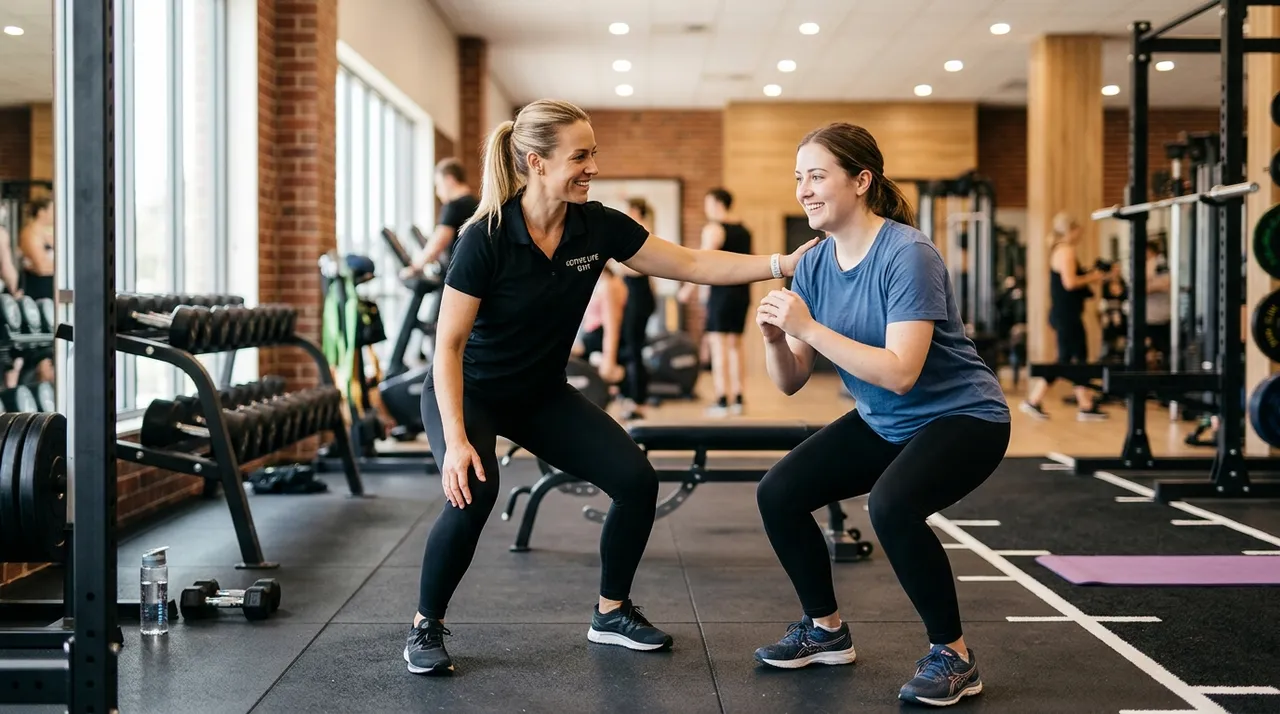 Why beginners often quit without support
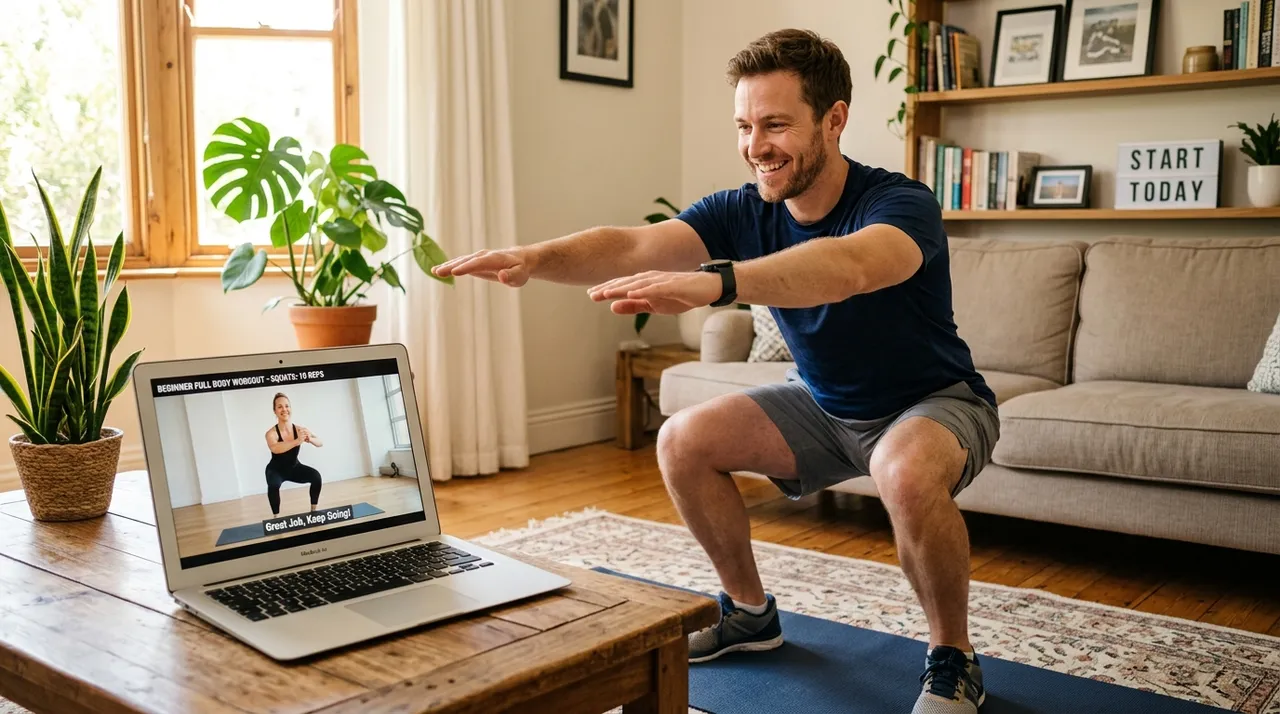 What your first few weeks may look like