Subscribe to Our Newsletter
To get the latest tips and news to support your well-being journey!


You do not usually wake up one morning and decide your relationship needs support. More often, it shows up in smaller ways - the same argument looping every week, the silence after a difficult day, the feeling that you are living alongside each other rather than with each other. That is often where how virtual couples therapy helps becomes most clear: it creates a structured, private space to slow things down and work through what daily life keeps pushing aside.
For many couples, online support feels less intimidating than sitting in a therapist's office. It is familiar, easier to fit around work and family life, and often more accessible when emotions are already running high. That convenience matters, but it is not the whole story. Virtual couples therapy can also improve honesty, consistency and follow-through in ways that suit modern relationships.
Many couples think their main problem is poor communication. Sometimes that is true. But often the deeper issue is that each person feels unheard, criticised, dismissed or emotionally unsafe. When that happens, even simple conversations about money, parenting, sex, or household stress can turn into old battles.
Virtual couples therapy helps by giving those conversations structure. A trained therapist does more than listen. They notice patterns, slow reactive exchanges, and help each partner say what they mean without escalating the moment. That can sound basic, but in practice it is powerful. Instead of arguing about who forgot what, couples begin to understand what sits underneath the reaction - disappointment, fear, resentment, loneliness, or unmet needs.
The online format can make this easier for some people. Being in a familiar space often reduces the pressure to perform or stay guarded. A partner who finds in-person sessions intense may feel more able to speak openly from home. Others feel safer discussing vulnerable topics when they know they can close the laptop afterwards and take a few quiet minutes to reset.
That said, it depends on the couple. If home feels distracting or tense, a virtual session may need extra planning. Headphones, a private room and agreed boundaries can make a big difference.
One of the biggest reasons couples delay getting help is logistics. Work schedules clash. One partner travels. Childcare is expensive. By the time both people are free, relationship support feels like one more thing to organise.
This is where virtual therapy is often more realistic than traditional care. Sessions can be booked around lunch breaks, school runs or evening routines. If one partner is away for work or living elsewhere temporarily, the relationship does not have to lose momentum. Consistency is easier, and consistency matters because relationship change rarely comes from one breakthrough conversation. It comes from repeated, supported practice.
For couples under strain from burnout, long hours or caregiving responsibilities, convenience is not a luxury. It can be the difference between getting help and staying stuck. A flexible online format removes some of the friction that keeps support feeling out of reach.
Trust is one of the hardest things to repair because it affects everything else. Once trust is shaken - through dishonesty, emotional withdrawal, repeated conflict or infidelity - everyday interactions can start to feel loaded. A late reply becomes suspicious. A neutral comment feels sharp. Small ruptures carry the weight of bigger ones.
Virtual couples therapy helps rebuild trust by creating accountability. Each session becomes a place where both partners can name what happened, how it affected them and what needs to change next. That process is rarely quick. In fact, one of the most helpful things therapy can do is replace false urgency with realistic progress.
A therapist can help the partner who has been hurt express pain without being dismissed as dramatic, while also helping the other partner take responsibility without shutting down into defensiveness or shame. Trust repair usually asks for both emotional honesty and behavioural change. Words matter, but so does keeping promises, following through and showing consistency over time.
The online setting can support this work well because sessions are easier to maintain regularly. Frequent contact can be especially useful in the early stages of repair, when couples need guidance, not just good intentions.
When couples are distressed, they often become experts in each other's faults. One person is too critical. The other avoids every serious conversation. One always pushes. The other always withdraws. Those descriptions may not be wrong, but they are rarely enough to create change.
Therapy shifts the focus from who is the problem to what is happening between you. That is a subtle but important change. Instead of proving who started it, couples learn to identify the cycle they are both caught in. Maybe criticism leads to withdrawal, which creates more anxiety, which leads to more criticism. Once the pattern is visible, it becomes easier to interrupt.
This is one reason online therapy can feel surprisingly effective. The screen itself can create a little emotional distance from the heat of the moment, which sometimes helps people listen more clearly. A good therapist uses that space to guide reflection rather than let either partner drift into detachment.
Even now, some couples hesitate to seek therapy because they worry it means the relationship is failing. Others simply do not want the visibility of travelling to appointments or explaining where they have been. Privacy matters, especially when a relationship already feels exposed or fragile.
Virtual care can lower that barrier. Joining from home feels discreet. It also opens up more choice, allowing couples to find a therapist who suits their values, communication style and goals rather than settling for whoever is nearest.
Affordability can improve too, although this varies. Without the time and cost of travelling, support may feel more manageable financially and practically. For many people, accessible care is not just about price. It is about whether help fits into life as it is actually lived.
Platforms such as SympathiQ reflect that shift by making it easier to find specialist support, book sessions securely and build care around real schedules rather than ideal ones.
Virtual therapy is not a magic fix, and it is not the right fit for every situation. It works best when both partners are willing to engage honestly and the home environment allows for enough privacy to speak freely. If one person treats sessions as a box-ticking exercise, progress will be limited whether therapy is online or in person.
There are also situations where online therapy may need extra caution or a different level of support. If there is coercive control, abuse, active addiction, or serious mental health risk, a therapist may recommend a different approach, including individual care or more intensive services. Safety always comes first.
For some couples, technology itself can be a barrier. Unstable internet, lack of privacy, or discomfort with screens can interrupt momentum. These are practical problems, not signs of failure, but they do matter. Good support often starts with honest conversations about what each person needs in order to show up properly.
The biggest shift in couples therapy is not usually that arguments disappear. It is that the relationship becomes less confusing. Partners begin to understand their triggers, ask better questions and recover more quickly after tension. They learn how to disagree without turning every conflict into a threat.
Over time, that can mean less defensiveness, more warmth and a stronger sense of being on the same side. It can also mean recognising that the relationship needs clearer boundaries, different expectations or deeper individual work alongside the couples sessions. Therapy is not there to force a perfect outcome. It is there to support honest movement.
That is why virtual couples therapy can be so helpful. It meets people where they are - emotionally, practically and geographically - and turns support into something possible rather than theoretical. When care is easier to access, couples are more likely to use it before resentment hardens into distance.
If your relationship has felt strained, stuck or painfully repetitive, seeking support does not mean you have failed. It may simply mean you are ready to stop having the same conversation in different forms and start making room for a better one.

Your email address will not be published. Required fields are marked *

You might be ready to open up about burnout, anxiety, relationship strain or something you have not said out loud to anyone yet - and then one question stops you cold: is online therapy confidential? It is a fair concern. When support happens through a screen, privacy can feel less obvious than it does in a quiet therapy room.
The reassuring answer is yes, online therapy is confidential in much the same way as in-person therapy, but confidentiality is not absolute and it depends on the provider, the platform, and the situation. That nuance matters. If you know what to look for, you can choose support with far more confidence and focus on what actually brought you there.
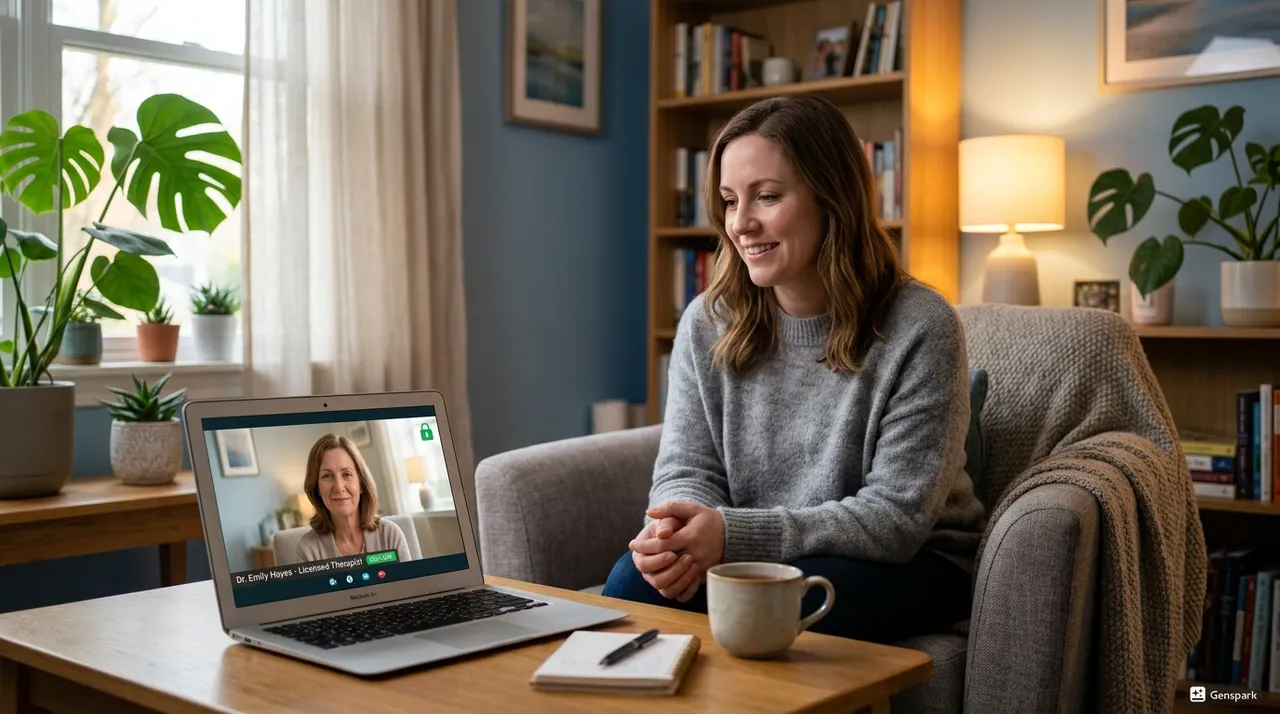
In practice, confidentiality means what you share in therapy is meant to stay between you and your therapist. Notes, session details, personal history and sensitive disclosures should be handled privately and stored securely. Whether your session takes place face to face or by video, the same ethical duty applies.
That said, online therapy adds a digital layer. Your privacy depends not only on your therapist's professional standards, but also on the security of the technology being used. A qualified therapist may be fully committed to confidentiality, yet a poor platform, weak passwords or a lack of privacy at home can still create risks.
This is why the better question is often not simply, "is online therapy confidential?" but "how is confidentiality protected, and where are the limits?" Once you understand those two parts, online support can feel much less uncertain.
If you are working with a legitimate therapist or specialist, confidentiality generally covers the content of your sessions, your contact details, your health or wellbeing information, appointment history, and any written messages or forms shared as part of care. Therapists are also usually careful about how records are stored, who can access them, and how they communicate with you.
For many people, online therapy can actually feel more private than travelling to a clinic. There is no waiting room, no chance encounter in reception, and no need to fit appointments around a public commute. For professionals with packed schedules or anyone worried about stigma, that discretion can make it easier to take the first step.
Still, privacy is strongest when both sides take it seriously. A secure platform helps, but so does having your session somewhere you cannot be overheard.
This is the part every ethical provider should explain clearly. Confidentiality is a core promise, but there are recognised situations where a therapist may need to share information.
Most often, this happens if there is a serious risk of harm to you or someone else, or if there are safeguarding concerns involving a child or vulnerable adult. A therapist may also have to disclose information if required by law or court order. In some settings, limited information may be shared with clinical supervisors to support quality of care, though that should still happen within professional confidentiality standards.
None of this is unique to online therapy. These limits exist in in-person therapy too. The difference online is that providers should explain them in plain language before you begin, usually through an agreement, privacy notice or onboarding process. If those limits are vague, hidden or overly broad, that is worth pausing over.
A trustworthy online therapy service should do more than offer video calls. It should be built to protect sensitive conversations and personal data from the start.
That usually includes encrypted communication, secure account logins, controlled access to records, protected payment systems, and clear privacy policies. Some platforms also separate administrative data from session content, keep audit trails, and give practitioners structured tools for record-keeping rather than relying on scattered emails and consumer messaging apps.
This is where platform choice matters. Not every video tool is designed for confidential care, and not every wellness marketplace handles privacy with the same level of care. If a service makes bold claims about confidentiality but says little about security, that gap is worth noticing.
At SympathiQ, for example, the emphasis on privacy and secure digital care is part of the overall experience rather than an afterthought. That matters when you are sharing personal information and want support to feel both human and well protected.
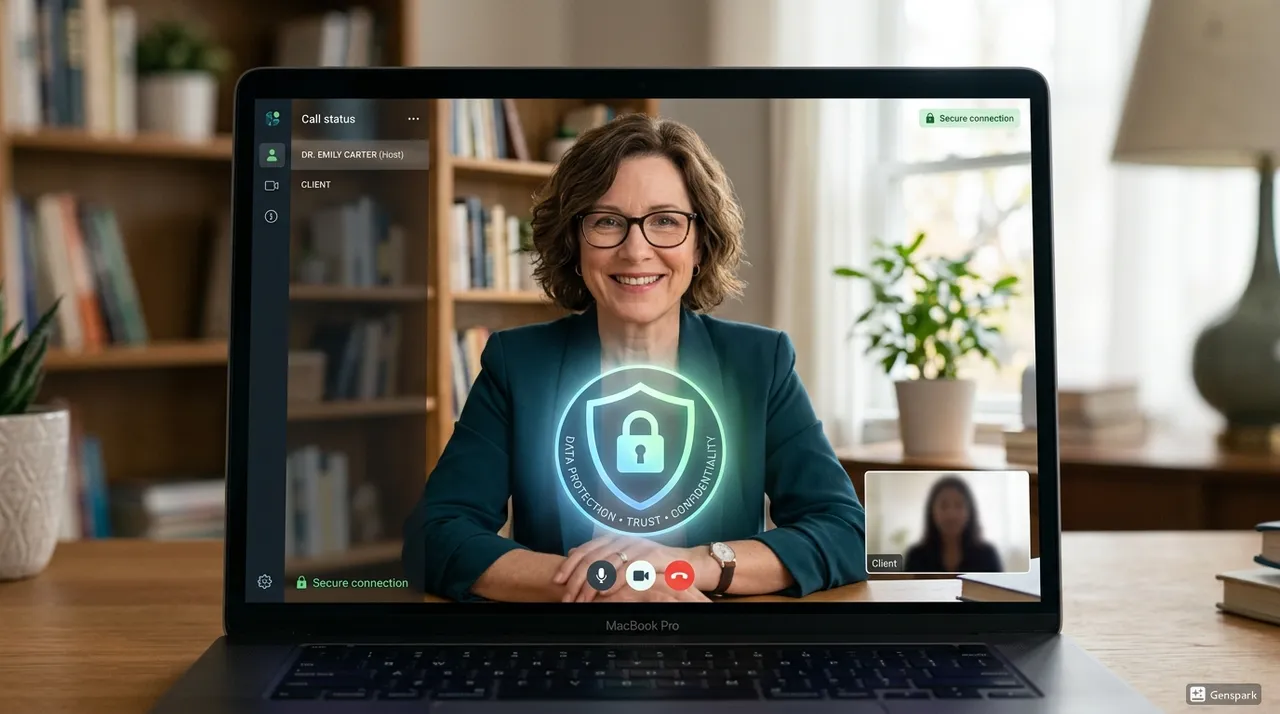
Most confidentiality worries focus on hacking or data breaches, but everyday issues are often more relevant. The biggest weak point is sometimes not the platform - it is the environment around the session.
If you are taking a call from a shared flat, parked car or office meeting room, someone may overhear more than you realise. Notifications can pop up on screen. A family member might walk in mid-session. Even using work devices can be risky if your employer has monitoring software or access controls in place.
There is also the question of communication outside the session. If reminders, invoices or follow-up messages arrive by email or text, think about who can access those devices. Shared tablets, unlocked mobile phones and synced inboxes can quietly reduce your privacy.
None of this means online therapy is unsafe. It means confidentiality is partly clinical and partly practical. A private room, headphones, a secure internet connection and a personal device can make a real difference.
You should not have to guess. A professional therapist or platform ought to be clear about how your information is handled.
Look for straightforward explanations about privacy, record storage and the limits of confidentiality. Check whether the therapist is properly accredited or registered with a recognised professional body. Notice whether the consent process feels careful rather than rushed. If you cannot easily find information about security, complaints, record keeping or emergency procedures, ask.
The way a provider answers matters. You are not being difficult by raising privacy questions. In fact, a good therapist will usually welcome them because informed trust is part of effective care.
You might ask how session notes are stored, what platform is used for video calls, who has access to your records, whether sessions are recorded, and what happens if there is a safeguarding concern. Clear, calm answers are a good sign. Defensive or evasive ones are not.
There is no simple winner. In-person therapy avoids some digital risks, but it introduces others, such as being seen entering a clinic or discussing appointments by phone in public. Online therapy reduces some of that exposure, yet relies more heavily on technology and your home setup.
For many adults, especially those balancing demanding work, family responsibilities or mobility barriers, online therapy offers a level of privacy and convenience that makes support more realistic. The session fits your life more easily, which can mean you actually stick with it. That consistency can be just as important as the format itself.
The real difference is not online versus in person. It is secure and well-managed versus casual and unclear.
If privacy is on your mind, a few small steps can help you feel more in control. Read the provider's privacy information before booking. Use a personal device rather than a work one. Choose a quiet space where you can speak freely. Wear headphones. Turn off smart speakers and notifications. If you are unsure about any part of the process, ask before the session starts.
That preparation does more than protect your information. It helps create the emotional safety needed for honest, useful conversations. When you are not worrying about who might hear you or where your data is going, it is easier to stay present.
Online therapy can be highly confidential when it is delivered by a qualified professional through a secure platform with clear privacy standards. It is not magic, and it is not risk-free, but neither is any form of care. What matters is transparency, good systems and the confidence to ask the questions that protect your wellbeing.
If you are considering support, you do not need to wait until every doubt disappears. You can take the first step by choosing a provider that treats your privacy with the same care as your progress - because feeling safe enough to speak is often where real change begins.